


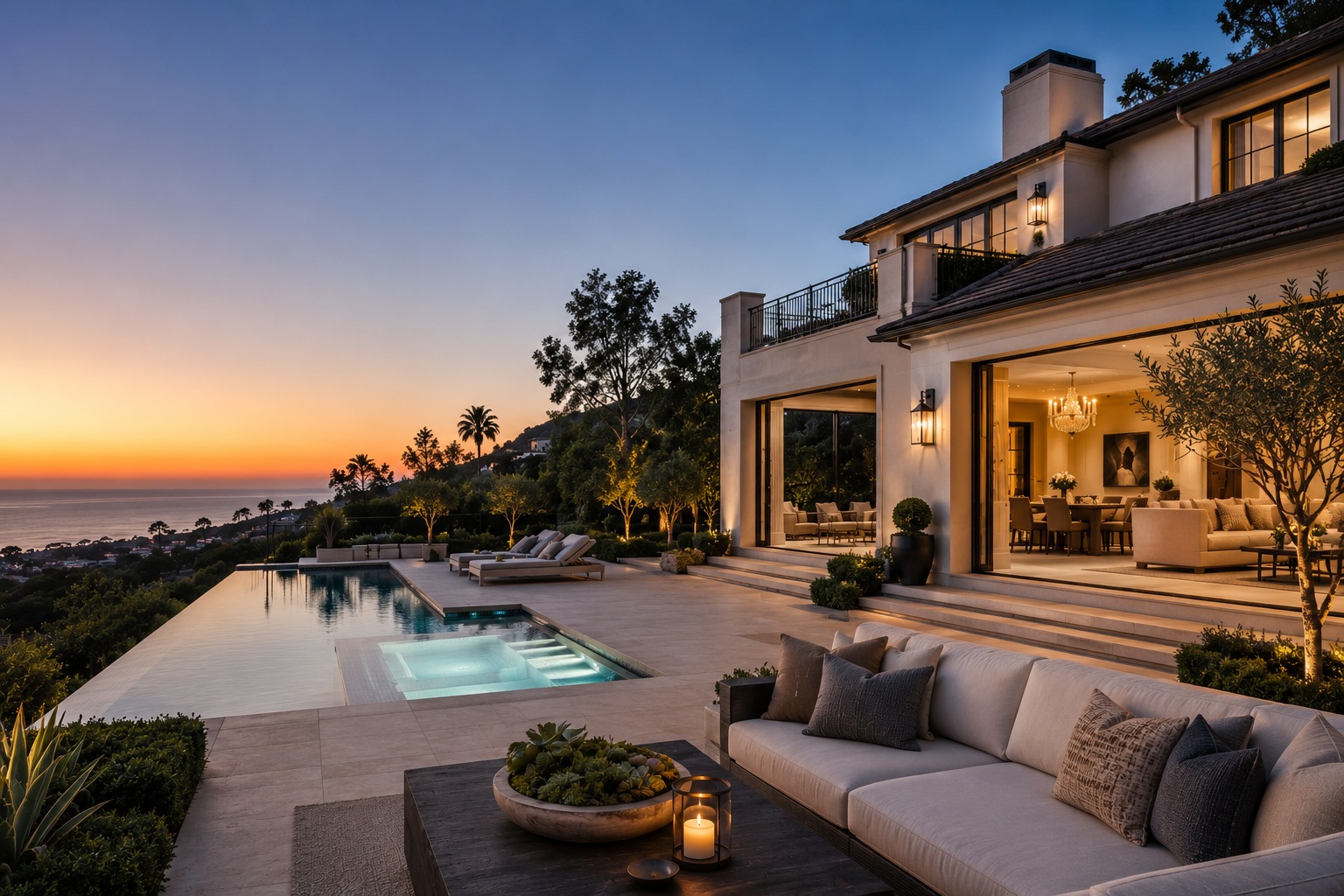
In luxury real estate, a beautiful home is only part of the story. Buyers are not just looking at square footage, finishes, or a desirable address. They are responding to a feeling. They want to understand how a property lives, what kind of lifestyle it supports, and why it feels different from everything else on the market.
That is where luxury property branding becomes important. It helps transform a high-end listing from a standard real estate offering into a polished, memorable experience. From photography and staging to the words used in a listing description, every detail shapes how buyers perceive the home.
For homeowners, agents, developers, and real estate investors, luxury property branding can help a home stand out, attract stronger interest, and support a higher perceived value. The goal is not to exaggerate what a property offers. The goal is to present it with clarity, sophistication, and purpose.
According to the National Association of Realtors, home staging can influence both buyer offers and time on market, which makes presentation especially important in higher-end listings.
Luxury Property Branding Starts With a Clear Identity
Every high-end home has a personality. Some properties feel coastal and relaxed. Others feel architectural, historic, resort-inspired, modern, or deeply private. A successful luxury property brand begins by identifying what makes the home distinct.
This identity should guide the way the property is photographed, described, staged, and marketed. A sleek contemporary estate should not be presented the same way as a romantic European-style villa or a secluded equestrian property. Each home needs a visual and editorial direction that matches its strongest features.
When the identity is clear, buyers understand the property faster. They can picture the lifestyle, the entertaining possibilities, and the emotional value of owning the home.
Photography Shapes the First Impression
Luxury buyers often meet a property online before they ever step through the door. That makes photography one of the most important parts of luxury property branding.
Strong photography should do more than document each room. It should guide the buyer through the experience of the home. Natural light, architectural details, outdoor living areas, views, custom finishes, and design moments should all be captured with intention.
For high-end properties, lifestyle photography can also be useful. A dining table set for an evening gathering, a pool area styled for a summer afternoon, or a terrace photographed at sunset can help buyers imagine how the home will feel in daily life.
Staging Helps Buyers Understand the Lifestyle
Staging is not only about making a home look attractive. In luxury real estate, staging helps define the lifestyle attached to the property.
A well-staged home gives each room a purpose. It can make an oversized living area feel warm, turn an empty bedroom into a private guest retreat, or show how an outdoor space can function for entertaining. The right furnishings, art, textiles, and accessories can also highlight the home’s architecture instead of distracting from it.
For luxury property branding, staging should feel elevated but not overly personal. Buyers need enough visual direction to understand the home, but enough space to imagine themselves living there.
Storytelling Makes the Property More Memorable
A luxury listing should not read like a checklist. Buyers need the facts, but they also need a reason to remember the home.
Good storytelling can highlight what makes the property special. This may include the architect, the neighborhood, the view, the materials, the renovation history, the privacy, the indoor-outdoor connection, or the way the home supports entertaining and relaxation.
For example, instead of simply saying a home has a large patio, stronger branding might describe the patio as an extension of the living space designed for sunset dinners, weekend gatherings, and quiet mornings overlooking the landscape.
That kind of language helps buyers connect emotionally without making the description feel forced or overly sales-driven.
Curb Appeal Is Part of the Brand
The exterior of a luxury home sets the tone before a buyer reaches the front door. Landscaping, lighting, entryways, gates, driveways, and exterior finishes all contribute to the property’s brand.
A manicured garden can suggest elegance and care. A dramatic entry can create a sense of arrival. Outdoor lighting can make a property feel warm, secure, and resort-like. Even small improvements, such as fresh planters, updated hardware, or clean exterior surfaces, can affect how buyers perceive value.
For high-end homes, curb appeal should feel intentional. The outside of the property should prepare buyers for the experience they will have inside.
Interior Details Should Support the Home’s Positioning
Luxury property branding also depends on how interior details are presented. Custom cabinetry, stone surfaces, designer lighting, millwork, flooring, smart-home features, and spa-style bathrooms can all help reinforce the home’s value.
However, the details need to be organized in a way that feels meaningful. Listing copy and marketing materials should not overwhelm buyers with every feature at once. Instead, the strongest details should be grouped around the home’s larger story.
If the home is designed for entertaining, highlight the kitchen, dining areas, wine storage, outdoor spaces, and guest accommodations. If the home is designed as a private retreat, emphasize the primary suite, wellness features, gardens, views, and quiet spaces.
Digital Presentation Matters More Than Ever
Luxury buyers are often busy, selective, and sometimes shopping from outside the area. A polished digital presentation can make a property feel more credible before a showing is scheduled.
High-quality photo galleries, video tours, floor plans, drone footage, and virtual walkthroughs can all strengthen luxury property branding. These tools help buyers understand the scale, layout, and setting of the home.
Digital presentation should feel clean and easy to navigate. If the marketing materials look rushed, outdated, or inconsistent, buyers may subconsciously question the quality of the property itself.
Luxury Branding Can Support Stronger Pricing
Branding does not replace location, condition, architecture, or market demand. However, it can influence how buyers perceive a property’s value.
When a home is presented with professional photography, refined staging, strong storytelling, and a cohesive visual identity, it can feel more desirable. Buyers may see the property as more complete, more exclusive, and more aligned with the lifestyle they want.
This can be especially important in competitive luxury markets, where several homes may offer similar square footage or amenities. The property with the clearest identity and strongest presentation often becomes easier to remember.
Consistency Builds Buyer Confidence
Luxury property branding works best when every touchpoint feels consistent. The photos, listing description, brochures, website, social media posts, video content, and private showing experience should all tell the same story.
If the photography feels elegant but the copy feels generic, the brand becomes weaker. If the listing describes a private retreat but the staging feels cold and impersonal, buyers may feel a disconnect.
Consistency builds confidence. It suggests that the property has been thoughtfully prepared and professionally represented.
What Homeowners Should Review Before Listing
Before bringing a luxury home to market, homeowners and agents should look at the property through a buyer’s eyes. The most important questions are simple but revealing.
What is the strongest feature of the home? What lifestyle does the property support? Does the photography capture the home at its best? Does the staging make the rooms feel useful and inviting? Does the listing description sound polished, specific, and accurate? Does the entire presentation feel worthy of the price point?
Answering these questions can help shape a stronger marketing plan and avoid a generic listing that fails to reflect the home’s true appeal.
Final Thoughts on Luxury Property Branding
Luxury property branding is not about making a home appear to be something it is not. It is about presenting the property with the same level of care that went into its design, architecture, and lifestyle features.
For high-end real estate investors, homeowners, and agents, a thoughtful brand can help a property stand out in a crowded market. It can make the home easier to understand, easier to remember, and more appealing to the right buyer.
In the luxury market, value is shaped by more than the property itself. It is also shaped by presentation, emotion, and the story buyers believe they are stepping into.
Here are some other articles related to your search: