


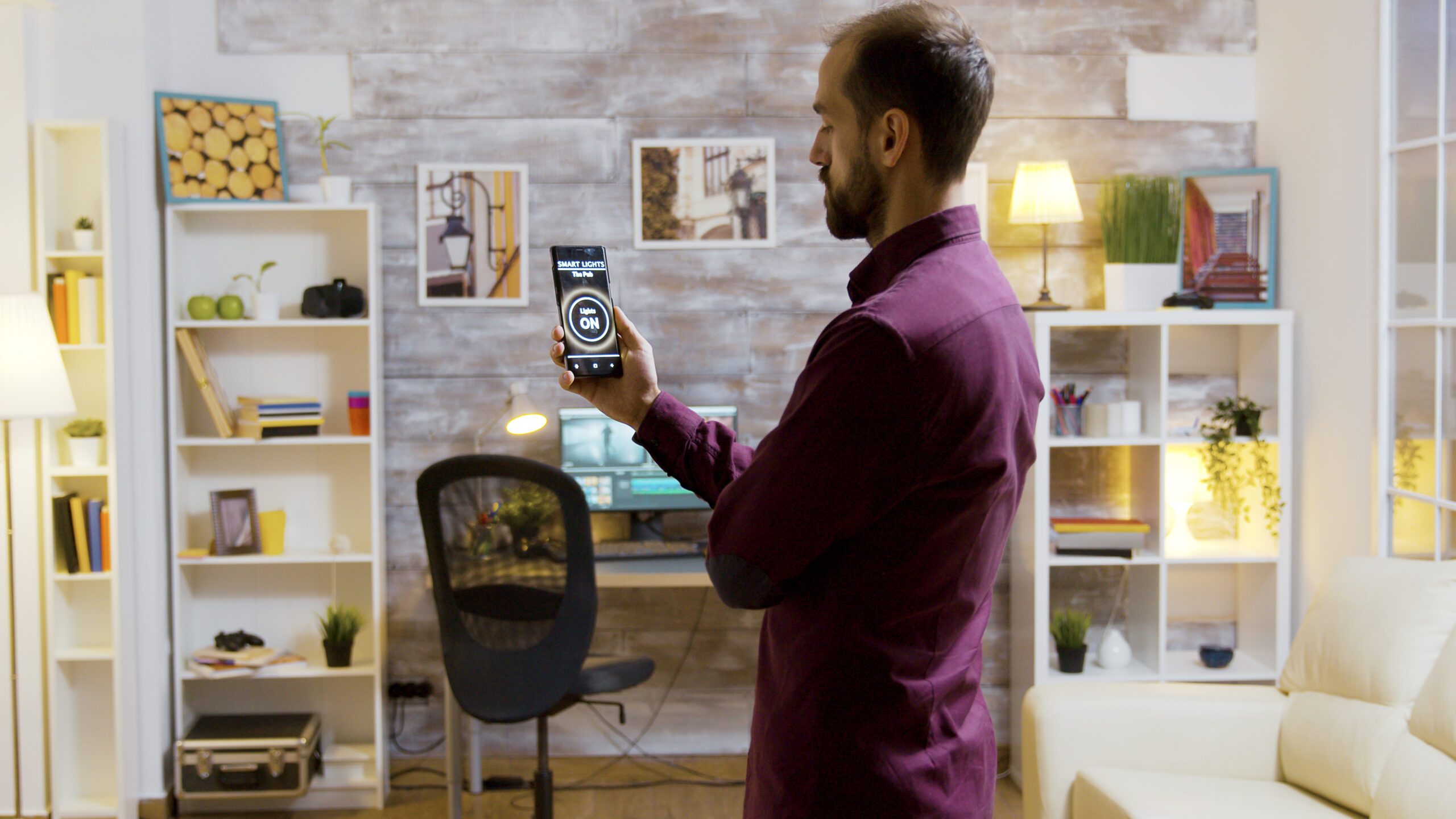
A truly smart home should not feel like a technology showroom.
The best smart home improvements work quietly in the background, making everyday routines easier, improving comfort, strengthening security, and helping homeowners manage energy without requiring a different app for every five minutes of the day.
That distinction matters. Adding connected devices simply because they exist can create more frustration than convenience. A better approach is to identify the parts of your home you interact with constantly—lighting, temperature, doors, windows, water, and security—and decide where automation would actually improve the experience.
Start with the upgrades you will notice every day and build from there.
Start With a Smart Home Plan, Not a Shopping Cart
Before buying anything, think about what you actually want your smart home to accomplish.
Do you want to reduce energy use? Improve security? Make a large house easier to manage? Control lights and shades while traveling? Keep an eye on water leaks? Make aging in place easier?
Your answers should determine the technology you choose.
Compatibility matters, too. Apple Home, Google Home, Amazon Alexa, Samsung SmartThings, Matter, and manufacturer-specific platforms can overlap, but not every product works equally well with every system.
If you already have several connected devices, look at what ecosystem they use before introducing something completely different. The goal is fewer control points, not more.
For a broader look at connected-home essentials, our guide to smart home technology that actually improves daily living covers additional ways technology can support everyday routines without taking over the house.
Smart Climate Control Is One of the Most Practical Upgrades
If you are going to start somewhere, the thermostat is a logical choice.
Heating and cooling account for a substantial share of residential energy use, which is why climate control is one area where connected technology can offer more than novelty. ENERGY STAR notes that certified smart thermostats are independently evaluated using real-world data to demonstrate energy savings.
The ecobee Smart Thermostat Premium is a good example of what has changed. Beyond app-based temperature control, it can use occupancy sensing and an included SmartSensor to help manage comfort in frequently used rooms. It also provides indoor air-quality monitoring and home energy reports.
The important part is not being able to adjust the thermostat from the sofa. It is allowing the house to respond more intelligently when rooms are occupied, when everyone leaves, or when schedules change.
Our guide to smart winter home upgrades that save energy without sacrificing style explores climate control and other efficiency improvements in more detail.
A Smart Lock Can Improve Daily Security Without Looking Industrial
The front door is another place where smart technology can solve an actual problem.
Traditional keys work perfectly well until one disappears, a guest needs temporary access, a contractor is arriving while you are away, or you are halfway through a flight wondering whether anyone locked the door.
The Kwikset Halo Select combines a touchscreen smart lock with built-in Wi-Fi and Matter connectivity. Depending on how it is configured, homeowners can incorporate the lock into compatible smart-home automations and manage access without turning the entry into something that looks borrowed from an office building.
Smart locks are particularly useful when paired with thoughtful access habits. Temporary codes can be preferable to hiding keys for houseguests or service professionals, while notifications can provide confirmation that a door was locked.
Technology should supplement basic security, however, not replace it. Strong doors, proper deadbolts, functioning windows, outdoor lighting, smoke and carbon-monoxide alarms, and good habits still matter.
Motorized Shades Make Automation Feel Like Interior Design
Some smart upgrades improve a home without looking technological at all.
Motorized window treatments are one of the best examples.
The Shade Store’s motorized window treatments can be operated through compatible remotes, apps, smart speakers, and home-automation systems, depending on the configuration. Timers can also be used to adjust shades automatically throughout the day.
That can be especially useful for large windows, hard-to-reach windows, bedrooms, media rooms, and spaces that receive intense afternoon sun.
Automation also changes the way window treatments function as part of the architecture. Instead of leaving every shade in the same position all day, homeowners can use them to manage privacy, glare, daylight, and solar heat as conditions change.
The technology disappears. What you notice is that the room feels better.
Smart Lighting Should Improve the Room, Not Turn It Into a Light Show
Connected lighting is another category where restraint helps.
You do not need every lamp in the house cycling through 16 million colors.
More useful applications include setting exterior lights to come on around dusk, creating a softer evening lighting scene, turning off forgotten lights automatically, or using occupancy sensors in spaces such as hallways, closets, garages, and laundry rooms.
Smart switches may also be a better investment than filling the house with individual smart bulbs. They allow familiar wall-switch control while adding schedules, remote access, and automation behind the scenes.
Think about lighting in layers. Overhead fixtures, lamps, under-cabinet lighting, pathway lighting, and accent lights do different jobs. Smart controls are most successful when they make those layers easier to use rather than simply adding more effects.
Leak Detection May Be Smarter Than Another Voice Assistant
Some of the most valuable connected-home devices are also the least glamorous.
Water sensors placed near washing machines, water heaters, sinks, refrigerators, dishwashers, or other vulnerable areas can alert homeowners when moisture is detected. More advanced whole-home systems can monitor unusual water use and, depending on the equipment, automatically shut off the water supply.
That type of technology may never impress a dinner guest, which is precisely the point.
A connected home should prioritize problems that are expensive or difficult to discover before it prioritizes gadgets that perform tasks you were already handling perfectly well.
Smart Security Cameras Need Thoughtful Placement
Connected cameras and video doorbells can provide useful visibility around entrances, driveways, gates, and other exterior areas.
More cameras do not necessarily mean better security.
Start by identifying the places where people actually approach the property. A well-positioned camera at a primary entry can be more useful than several cameras aimed at areas nobody uses.
Also consider privacy—for your household as well as your neighbors. Cameras should be positioned around legitimate security needs rather than capturing more of the surrounding property than necessary.
Before choosing a system, look beyond image quality. Consider subscription costs, video-storage options, account security, notification controls, integration with existing devices, and what happens if the internet connection goes down.
The Smart Kitchen Does Not Need to Replace Every Appliance
The kitchen is filled with opportunities for connected technology, but it is also a place where unnecessary features can become expensive quickly.
A refrigerator that sends notifications or an oven that can be monitored remotely may be useful for one household and completely irrelevant to another.
Choose connected kitchen appliances because the connected feature solves something—not simply because the appliance happens to have Wi-Fi.
Remote oven monitoring, maintenance alerts, temperature notifications, and energy-use information can be genuinely convenient. A complicated touchscreen that takes longer to operate than a traditional knob may not be.
When replacing major appliances, prioritize cooking performance, reliability, dimensions, serviceability, efficiency, and how well the appliance fits the kitchen. Connectivity should be a useful additional feature rather than the reason for buying it.
A Strong Network Is the Infrastructure Nobody Sees
The smartest thermostat, lock, shade, and security system will quickly feel less intelligent if the home’s Wi-Fi connection is unreliable.
Larger homes, older construction, detached garages, outdoor living areas, and properties with thick walls can all create dead zones. Before blaming a connected device, make sure the network itself provides adequate coverage.
For homes with numerous connected devices, a well-designed mesh Wi-Fi system or professionally planned network may be more valuable than another smart gadget.
This is also the point where cybersecurity should enter the conversation. Use strong, unique passwords, enable multifactor authentication when available, keep devices and apps updated, and replace equipment that no longer receives security updates.
Automations Should Remove Steps From Daily Life
The real advantage of a connected home appears when individual devices begin working together in useful ways.
An evening routine might lower motorized shades, adjust selected lights, change the thermostat, and confirm that exterior doors are locked.
A leaving-home routine might turn off designated lights and adjust climate settings. A vacation routine could change temperatures, automate window treatments, and vary lighting schedules without requiring the homeowner to control each device separately.
The key is to keep those automations predictable.
If family members constantly have to override what the house decided to do, the system is not smart. It is annoying.
Choose Smart Improvements That Can Still Work the Old-Fashioned Way
One of the best questions to ask before installing connected technology is simple: What happens when the internet goes down?
A smart lock should still let you enter the house. Lights should still have usable switches. Shades should have sensible control options. Heating and cooling should continue functioning safely.
Connected technology should add capability without making basic household functions dependent on perfect Wi-Fi or a particular company’s cloud service.
This is especially important for permanent improvements. A light bulb is easy to replace. A built-in shade system, thermostat, lock, electrical control, or major appliance requires more consideration.
The Best Smart Home Feels Less Complicated
A connected lifestyle should ultimately involve fewer decisions, not more.
The strongest smart home improvements handle repetitive tasks, give homeowners useful information, improve comfort, or provide greater control when nobody is home. They do not demand constant attention simply to justify their existence.
Start with the parts of the house that already create friction. Maybe the upstairs never feels the right temperature. Perhaps afternoon sun turns one room into an oven. Maybe family members continually lose keys, exterior lights are forgotten, or you worry about water leaks when traveling.
Solve those problems first.
Then allow the technology to fade into the background, where it belongs.
A well-designed smart home should not constantly remind you how intelligent it is. It should simply make the house more comfortable, secure, efficient, and easier to live in.
