


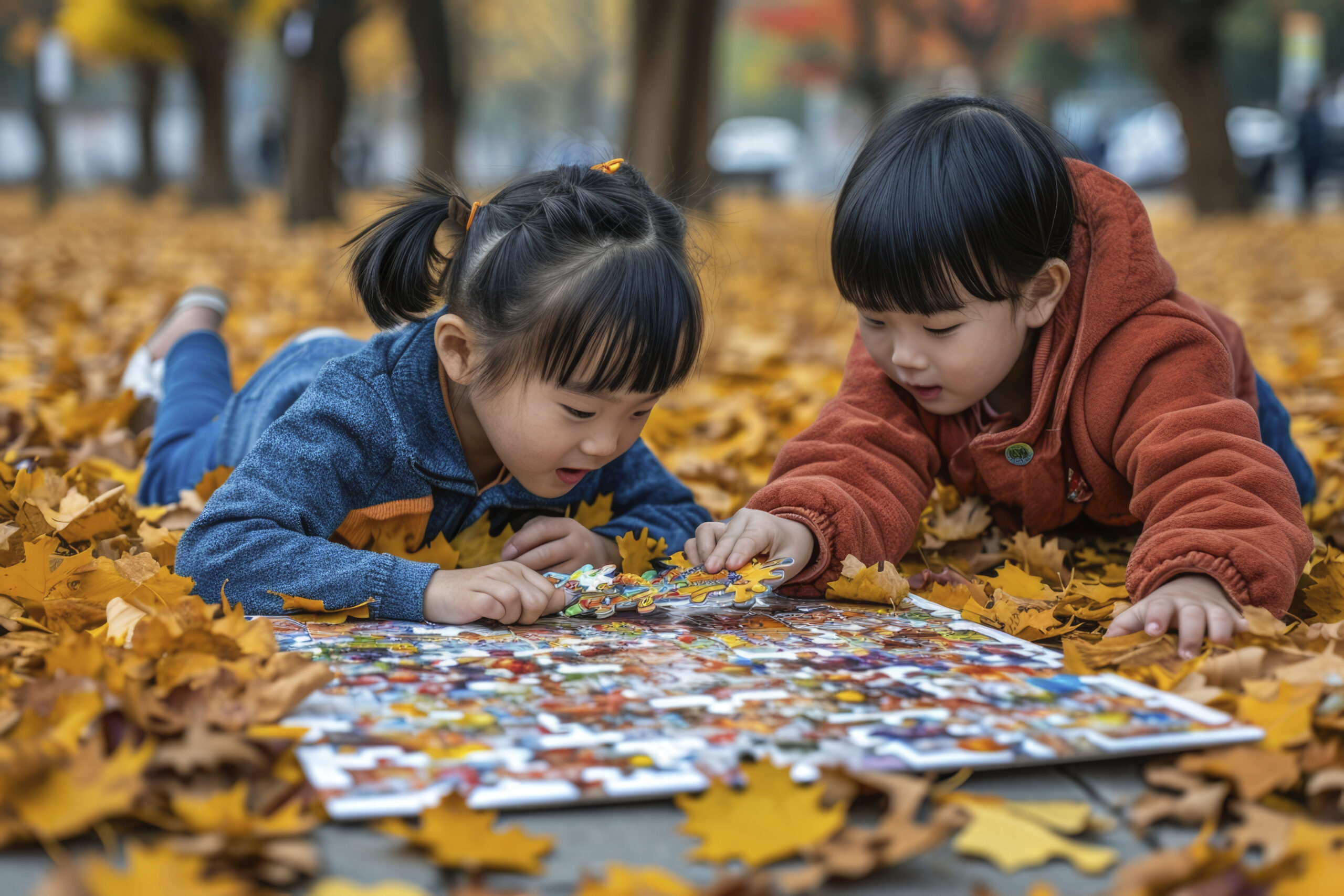
Fall has a way of sneaking into the house. One morning the windows are open to warm summer air and the next the rooms feel cooler, the afternoons grow shorter and the familiar soundtrack of the season begins with leaves crunching underfoot. For many families, that change feels exciting. For children with autism, however, autumn can also bring unfamiliar textures, new sounds, altered routines and a calendar filled with activities that can feel like a lot all at once.
The good news is that enjoying fall does not require embracing every pumpkin patch, crowded festival or noisy Halloween celebration. Sometimes the most meaningful seasonal moments happen right at home. With a little creativity, ordinary rooms and outdoor spaces can become comfortable places for exploring, creating and enjoying autumn at an individual pace.
Here are ten sensory friendly fall activities that bring the season home while leaving plenty of room for comfort and choice.
Create an Autumn Sensory Station for children with autism
A small corner of the home can become an autumn discovery station without turning into a full seasonal installation. Fill a shallow bin with artificial leaves, smooth pinecones, soft fabric pumpkins or other familiar objects that feel comfortable to touch.
Children can sort objects by size or color, move them with scoops or simply explore them at their own pace. Tools can be especially helpful for children who prefer not to touch certain materials directly (children with autism).
A sensory station can also become part of a predictable daily routine. Parents looking for additional ways to support learning and structure can explore YHDC’s Top 10 Apps to Check For Parents With Autism Children, which looks at digital tools that can help families incorporate learning and organization into everyday life.
The best sensory station is not necessarily the most elaborate one. It is the one that allows a child to decide what feels good and what does not.
Turn a Quiet Corner Into a Fall Reading Retreat
Shorter autumn afternoons are perfect for creating a cozy reading nook. A comfortable chair or floor cushion, a soft blanket and a small basket of favorite books can transform an underused corner into a seasonal retreat.
Choose autumn stories with predictable narratives and engaging illustrations. After reading, invite your child to draw a favorite character or recreate a scene with toys.
A dedicated reading space can also provide a welcome break when the rest of the home becomes busy. Keeping the area visually simple and familiar can make it easier for a child to recognize it as a place for quiet time.
Take a Slow Nature Walk
There is no rule that says a fall outing has to become an expedition. A short walk around the neighborhood or through a quiet garden can be enough.
Look for interesting leaves, smooth stones or pinecones. Pause whenever something catches your attention. If the crunch of dry leaves is uncomfortable, stay on a paved path. If a busy park feels overwhelming, choose an early morning outing when fewer people are around.
The goal is not to experience every sensation autumn offers. It is to find the sensations that feel enjoyable.
Bake Something That Smells Like Fall
Baking brings together sight, smell, touch and routine in a remarkably simple way. Apple muffins, pumpkin bread or oatmeal cookies can turn an ordinary afternoon into a seasonal ritual.
Keep the process predictable with a picture based recipe or a short sequence of steps. Measuring ingredients, stirring batter and arranging finished treats can all become part of the experience.
And if tasting the finished product is not appealing, that is perfectly fine. The fun can be in making it. Parents can also give children with autism specific jobs such as pouring flour, mixing ingredients or placing muffin liners so participation feels manageable.
Design a No Carve Pumpkin Decorating Table
Pumpkin carving is not everyone’s idea of autumn fun. The slippery interior, strong smell and unfamiliar texture can make the traditional activity uncomfortable.
A decorating table offers another option. Set out small pumpkins with washable paint, stickers, ribbons or craft pieces. Brushes and foam dabbers can provide alternatives to finger painting.
For an especially comfortable setup, cover the table with a washable cloth and keep only a few materials available at a time. Less visual clutter can make creative choices easier.
The finished pumpkins can then become part of the home’s fall decor. That small detail can give children a sense of ownership over how the family celebrates the season.
Build a Backyard Autumn Obstacle Course
Fall is also a wonderful excuse to get moving. A backyard obstacle course can use stepping stones, cushions, hoops, cardboard boxes and other familiar household items.
Create a simple route with clear visual cues. Walk through it together before inviting your child to try it independently. The course can involve stepping, crawling, balancing or carrying lightweight objects.
The beauty of an at home course is its flexibility. It can be shortened, repeated or changed according to the child’s energy and comfort that day.
Make Halloween More Sensory Friendly
Halloween can be magical and overwhelming in equal measure. Flashing decorations, loud music, costumes, crowds and unexpected sounds can quickly turn an exciting evening into too much stimulation.
Families can create their own version of the holiday. Try decorating a single room rather than the entire house. Choose comfortable clothing instead of an elaborate costume. Practice the trick or treat routine ahead of time or create a small candy hunt at home.
If going door to door is not enjoyable, there is no reason to force it. A pumpkin decorating evening, favorite movie and special snack can become its own Halloween tradition.
The same principle applies to Halloween decorations. Soft lighting and familiar decorations may create a more comfortable environment than flashing lights and loud animated displays.
Create a Fall Calm Space
A calm corner does not have to look clinical. In fact, it can be one of the most beautiful and intentional spaces in the home.
A comfortable chair, soft lighting, favorite books, headphones, cushions and familiar fidget items can create a place to retreat when the house feels busy. Keep the colors gentle and the number of objects limited.
The space should never feel like a punishment or somewhere a child is sent away. Instead, it can simply be a familiar option for taking a break.
As seasons change, this kind of space can also provide consistency. The decor may change slightly for fall while the essential elements remain familiar.
Make Autumn Art From Nature
Bring the outside in with a simple art project. Leaves can become collage materials. Twigs can become miniature sculptures. Paper can become the foundation for an autumn landscape.
For children who enjoy tactile exploration, natural materials can provide interesting textures. For those who prefer not to touch them, brushes, tweezers or craft tools can offer another way to participate.
For an additional creative touch, display the finished artwork around the home. A small gallery wall or seasonal display can make the child an active contributor to the family’s fall decorating.
Look for Quieter Ways to Experience Fall
Not every seasonal memory needs to happen at a crowded event. Libraries, farms, museums and community organizations increasingly offer sensory friendly programming, so it is worth checking local calendars before making plans.
Before attending, look for information about noise levels, crowds, lighting, waiting times and available quiet spaces. A visual schedule or simple preview of what will happen can also make an unfamiliar outing easier to understand.
This same approach can be useful at home. Seasonal activities become easier to navigate when children know what is coming next. YHDC’s Modern Ways to Help Your Kids Learn Important Concepts and Routines offers additional ideas for using familiar structures and everyday routines to support learning and independence.
Most importantly, give yourself permission to leave early. A successful autumn outing does not have to last all afternoon.
Let Fall Happen at Its Own Pace
The most beautiful thing about a sensory friendly autumn is that it does not need to follow anyone else’s definition of seasonal fun. One family might spend Saturday at a pumpkin patch. Another might spend an hour painting pumpkins at the kitchen table. Both are celebrating fall.
For families raising children with autism, thoughtful home design can make those moments even more comfortable. A quiet corner, a predictable routine, softer lighting or a dedicated creative space can turn seasonal change into something that feels inviting rather than overwhelming.
With the right tools and routines, parents can also make seasonal transitions easier to understand. From technology that supports organization to simple visual and hands on learning strategies, small adjustments can give children with autism more confidence as routines change.
This fall, there is no need to chase every tradition. Choose the textures, sounds, flavors and activities that bring genuine enjoyment. Sometimes the best autumn memories are the ones created slowly, comfortably and together at home.
