


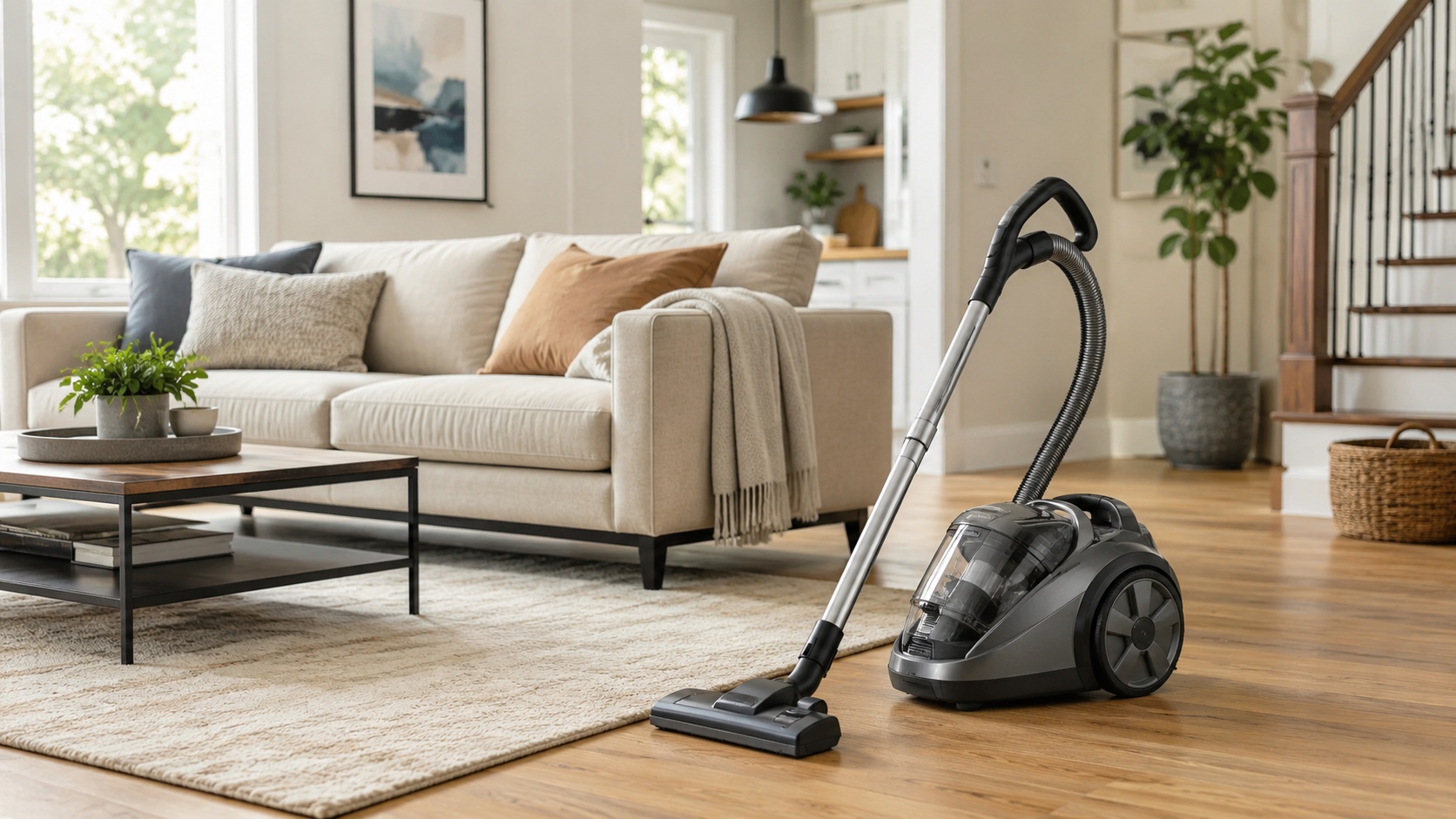
A good vacuum cleaner is one of those home products that does not feel exciting until the wrong one ruins your day. It is too heavy, too loud, too weak, too annoying to empty, or somehow designed by someone who has never met a staircase, a shedding pet, or a crumb-covered sofa.
That is why choosing the best vacuum cleaners for a cleaner, easier home is less about buying the fanciest machine and more about finding the right fit for the way your household actually lives. A home with hardwood floors, area rugs, kids, pets, stairs, and daily foot traffic has very different needs than a small apartment with low-pile carpet and one tidy adult who never eats crackers on the couch.
The right vacuum can make daily cleanup faster, deep cleaning less exhausting, and your home feel fresher with far less effort. The wrong one becomes an expensive closet decoration with a cord wrapped around it in defeat.
Why the Right Vacuum Cleaner Matters
Vacuuming is not just about visible dirt. Dust, pet hair, crumbs, pollen, and tracked-in debris can settle into carpets, rugs, upholstery, and floor edges. Over time, those small messes make a home feel less clean, even when the surfaces look fairly tidy.
The U.S. Environmental Protection Agency notes that improving indoor air quality often includes controlling sources of dust and particles inside the home. Regular cleaning, including vacuuming, can be part of keeping a healthier indoor environment.
For homeowners, the goal is not to vacuum constantly. The goal is to choose a machine that makes cleaning easier enough that you are more likely to use it before the dust bunnies begin forming their own government.
Start With Your Flooring
The first thing to consider is flooring. A vacuum that works beautifully on carpet may not be ideal for hardwood floors, and a lightweight stick vacuum that glides across tile may struggle with thick rugs.
For carpeted homes, look for strong suction, a motorized brush roll, and adjustable height settings. These features help pull dirt and debris from carpet fibers instead of simply grooming the top layer.
For hardwood, tile, laminate, or luxury vinyl floors, choose a vacuum that has a hard-floor mode or a brush roll that can be turned off. This helps prevent debris from scattering and reduces the risk of scratching delicate surfaces.
For mixed flooring, a versatile vacuum is usually the best choice. Homes with area rugs, wood floors, carpeted bedrooms, and tile kitchens need a vacuum that can transition easily without making every room feel like a separate cleaning project.
Upright Vacuums Are Great for Whole-House Cleaning
Upright vacuums are a strong choice for larger homes, especially those with carpeted rooms or heavy foot traffic. They usually offer powerful suction, wider cleaning paths, and larger dust bins or bags, which makes them useful for weekly deep cleaning.
The downside is that some upright vacuums are bulky. They can be harder to carry upstairs, maneuver around furniture, or use in tight spaces. If you have multiple floors, check the weight before buying. A vacuum that feels manageable in the store can feel very different halfway up a staircase.
Choose an upright vacuum if you want strong cleaning power, have larger floor areas, and do not mind a slightly heavier machine.
Stick Vacuums Make Daily Cleanup Easier
Stick vacuums are popular because they are lightweight, easy to grab, and convenient for quick messes. They are especially useful in kitchens, entryways, bedrooms, and homes where crumbs seem to appear mysteriously five minutes after cleaning.
Cordless stick vacuums are helpful for everyday maintenance because they remove the hassle of plugging and unplugging as you move around the house. However, battery life matters. If your home is large, choose a model with enough run time to handle your regular cleaning routine.
Stick vacuums are ideal for homeowners who want easy, frequent cleanup rather than saving every mess for one exhausting cleaning day.
Canister Vacuums Work Well for Detail Cleaning
Canister vacuums can be excellent for hard floors, stairs, upholstery, curtains, baseboards, and under-furniture cleaning. Because the motor and dust container sit separately from the cleaning wand, they can feel easier to maneuver in certain spaces.
They are especially helpful in homes with lots of furniture, delicate flooring, or detailed cleaning needs. The tradeoff is storage. Canister vacuums can be awkward to tuck away compared with a slim stick vacuum.
Choose a canister vacuum if you want flexibility and do not mind managing the separate body and hose.
Robot Vacuums Are Helpful, But Not Magic
Robot vacuums can be wonderful for maintenance cleaning. They are especially helpful for pet hair, daily dust, and keeping floors looking presentable between deeper cleanings.
However, a robot vacuum is not a full replacement for a traditional vacuum in most homes. It will not clean stairs, deep-clean upholstery, handle every corner perfectly, or rescue a sofa from snack debris. It also needs regular emptying, brush cleaning, and occasional untangling from cords, rug fringe, or mystery household obstacles.
A robot vacuum is best as a helper, not the only cleaning plan. Think of it as the assistant who keeps the floor from getting embarrassing between real cleaning sessions.
Pet Owners Need Strong Suction and Good Filtration
If you have pets, your vacuum needs to work harder. Pet hair has a special talent for attaching itself to rugs, upholstery, bedding, stairs, and clothing in ways that feel almost personal.
Look for a vacuum with strong suction, a motorized pet tool, a tangle-resistant brush roll, and a filter system designed to capture fine particles. A washable filter can be helpful, but it still needs regular cleaning and replacement according to the manufacturer’s instructions.
Bagged vacuums can also be useful for allergy-prone households because they keep dust and debris more contained during disposal. Bagless models are convenient, but emptying the bin can release dust back into the air if done carelessly.
Pay Attention to Attachments
Attachments are not just bonus pieces destined to vanish into a closet. The right tools can make a vacuum much more useful.
A crevice tool helps clean baseboards, corners, and couch cushions. An upholstery tool works well on fabric furniture and curtains. A motorized mini brush is useful for stairs, pet beds, and car interiors. A soft dusting brush can help with shelves, lampshades, and delicate surfaces.
Before choosing a vacuum, think about what you clean most often. If your stairs collect pet hair, a good stair or upholstery tool matters. If your home has high ceilings, check whether the wand extends far enough to reach vents, corners, and ceiling fans.
Consider Weight, Storage, and Noise
A vacuum can have impressive features and still be wrong for your home if it is too heavy, too loud, or too awkward to store. Practical details matter because they affect whether you will actually use it.
For small homes, apartments, condos, or homes with limited storage, a compact cordless vacuum may be easier to live with. For larger homes, a full-size upright or canister may be worth the storage space because it can handle bigger cleaning jobs more efficiently.
Noise is another factor. Some vacuums sound like they are preparing for takeoff. If you have pets, small children, shared walls, or sensitive ears, look for a quieter model with strong performance.
Bagged Versus Bagless Vacuums
Bagged vacuums are often a good choice for people who want cleaner disposal and less dust exposure when emptying the vacuum. The bag contains the debris, then gets removed and thrown away.
Bagless vacuums are convenient because there are no replacement bags to buy. They are easy to empty, but they can release dust if the bin is opened too quickly or emptied indoors.
Neither option is automatically better. Bagged vacuums are often better for people with allergies or dust sensitivity. Bagless vacuums are better for people who want convenience and lower ongoing supply costs.
How Often Should You Vacuum?
How often you vacuum depends on your household. High-traffic areas may need vacuuming several times a week, especially if you have pets, kids, or a lot of outdoor dirt coming inside. Bedrooms and lower-traffic rooms may only need weekly cleaning.
Entryways, kitchens, living rooms, and hallways usually need the most attention. These are the areas where crumbs, dust, pet hair, and outdoor debris collect fastest.
Instead of waiting until the whole house looks dirty, focus on quick maintenance. A few minutes with a lightweight vacuum can keep floors under control and make deeper cleaning less overwhelming.
Best Vacuum Features to Look For
When comparing vacuums, focus on features that make cleaning easier in real life. Strong suction matters, but so does maneuverability, filtration, dust-bin size, brush-roll control, battery life, and attachment quality.
For most homes, the best vacuum cleaner should include:
- Strong suction for dirt, dust, and debris
- A brush roll that works for your flooring type
- Good filtration
- Useful attachments
- Easy dust-bin or bag disposal
- A manageable weight
- Storage that fits your home
The best choice is the vacuum you will actually use regularly. A powerful machine that is too heavy to pull out is less useful than a slightly smaller vacuum that makes cleaning feel easy.
The Bottom Line on Choosing a Vacuum Cleaner
The best vacuum cleaners for a cleaner, easier home are the ones that match your flooring, lifestyle, storage space, and cleaning habits. A busy family home may need a strong upright vacuum plus a lightweight stick vacuum for daily messes. A small apartment may only need a cordless model with good attachments. A pet-friendly home may need stronger suction, better filtration, and tools designed for hair.
There is no single perfect vacuum for every household. The best vacuum is the one that helps you clean faster, more comfortably, and more consistently.
A cleaner home should not require a full Saturday, a sore back, and a machine that sounds like a leaf blower having a crisis. With the right vacuum, everyday cleaning becomes simpler, faster, and much easier to keep up with.