


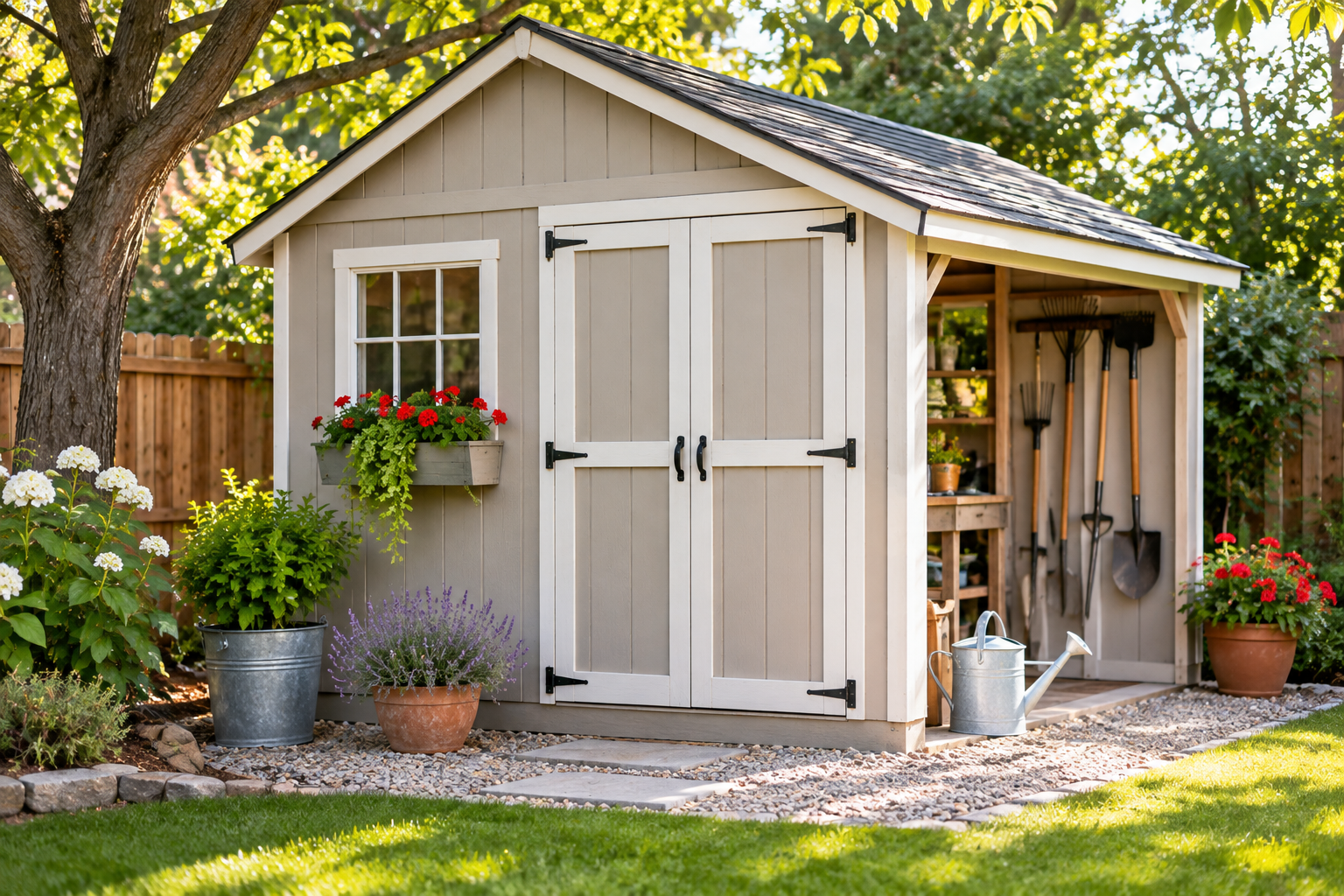
Your kitchen gets cleaned, the living room gets a seasonal refresh, and the garden gets trimmed before guests arrive. But that backyard shed? It has probably been left to negotiate with the weather, a few ambitious spiders, and whatever mysterious smell has been developing behind the old lawnmower.
It is easy to forget about a shed. Nobody walks into the backyard and announces that they cannot wait to admire the storage building. Yet that humble structure may be protecting thousands of dollars’ worth of gardening equipment, outdoor furniture, tools, and seasonal belongings. Neglect it long enough, and your inexpensive storage solution could become a surprisingly expensive home improvement project.
The secret is knowing which problems deserve attention before they turn into major repairs. From sneaky roof leaks to unwelcome six-legged visitors, here is how to protect your shed without spending every weekend fixing it.
That Tiny Roof Leak Is Not Going to Fix Itself
A small roof leak has a remarkable talent for looking harmless. One missing shingle or cracked sealant hardly seems worth interrupting your weekend. After all, the shed is only storing gardening tools, right? Unfortunately, water does not care whether it is dripping onto a luxury outdoor sofa or a box of forgotten Christmas decorations.
Look for dark ceiling patches, damp corners, musty smells, and discoloration around roof joints. For a minor, isolated leak on a compatible roofing surface, Henry 208 Wet Patch Roof Leak Repair is one specific product to consider. Its rubberized asphalt formula is designed to repair leaks on compatible roofing materials. Follow its application instructions and check material compatibility first. If the roof is sagging, extensively damaged, or unsafe to access, call a roofing professional instead. A small repair is considerably more appealing than replacing half the structure.
Moisture Is the Uninvited Guest You Cannot Ignore
Rainwater is not the only culprit. Condensation can quietly damage a shed even when the roof appears perfectly fine. Temperature changes encourage moisture to collect on cold surfaces, particularly in poorly ventilated wooden structures. Eventually, that damp environment can invite mold, mildew, rust, and wood rot.
Keep ventilation openings clear and leave space between stored belongings and exterior walls. Check damp-looking timber with the General Tools MMD4E Pin-Type LCD Moisture Meter. It measures moisture in wood and building materials, helping you investigate suspicious areas rather than guessing whether a dark patch is harmless. Also check drainage and direct water away from the foundation. The USDA Forest Products Laboratory’s 2021 Wood Handbook explains moisture relations, wood deterioration, and preservation. A musty smell is not your shed’s charming personality. Investigate it.
Your Shed Is Only as Stable as Its Foundation
A beautiful exterior will not save a shed that is slowly sinking into the ground. Uneven soil, shifting supports, and poor drainage can cause the structure to settle. Suddenly, the door sticks, the windows refuse to close, and gaps appear between panels. Your shed may look like it is developing an attitude, but the foundation could be the real problem.
Inspect the base for soft timber, standing water, cracked supports, and visible movement. Check whether the structure remains level and whether water collects around it after rainfall. Do not try to correct serious movement by wedging random pieces of wood underneath. Significant foundation problems need a proper assessment before they cause further structural damage.
Do Not Let Termites Turn Your Shed Into Their Dream Home
Your shed may be designed for garden equipment, but termites and rodents might have other plans. Give them moisture, cardboard boxes, and a few undisturbed corners, and they may decide they have found their forever home. Unfortunately, they are unlikely to contribute toward the maintenance costs.
Look for termite mud tubes, hollow-sounding timber, droppings, gnaw marks, and damaged materials. Keep firewood away from the structure, trim plants touching the walls, and seal suitable entry points. Store vulnerable belongings in sturdy containers with secure lids. Remove unnecessary clutter and arrange professional pest treatment if you suspect termites. Painting over the evidence will not convince hungry insects to move out.
The Wrong Paint Can Cost You More Than You Think
Peeling paint is more than an appearance problem. It exposes the material underneath to sunlight, rain, and moisture. Wooden sheds need suitable exterior paint or wood protection, while metal structures require coatings designed to resist corrosion. Using leftover indoor paint might save a shopping trip, but it is hardly a long-term weatherproofing strategy.
For properly prepared, compatible exterior wood, BEHR PREMIUM Transparent Waterproofing Wood Finish is a specific option. Its formula provides water and UV protection for exterior wood surfaces. Follow its preparation and application instructions before coating your shed. For metal sheds with significant surface rust, Rust-Oleum Stops Rust Rusty Metal Primer provides a corrosion-resistant base for a compatible topcoat. Remove loose rust and prepare the surface properly first. Different shed materials need different treatments, so one can of paint is not a universal maintenance solution.
Your Storage Habits Could Be Damaging the Shed
A shed can become a storage disaster surprisingly quickly. One day there is a neatly arranged collection of garden tools. Six months later, there are boxes stacked to the ceiling, a broken chair nobody wants to throw away, and a lawnmower blocking the entrance. Sound familiar?
Excessive weight can strain shelving and floors, while tightly packed belongings restrict airflow and conceal leaks or pests. A useful solution is the Gladiator GearTrack Pack. This wall-mounted organization system includes eight different hooks and eight feet of track for hanging tools, extension cords, and other equipment. It frees up floor space and makes frequently used items easier to find. For smaller belongings, use sturdy lidded containers and avoid placing heavy boxes on unsupported shelves. Just remember that even the best organization system cannot compensate for an overloaded or structurally weak wall.
Give Your Shed a Seasonal Health Check
Waiting until something breaks is not a maintenance strategy. It is an expensive surprise party nobody wants to attend. A quick seasonal inspection can catch developing problems before they become serious.
Your year-round shed maintenance checklist
- Spring — Inspect the roof, foundation, exterior finish, and winter moisture damage. Check for pests.
- Summer — Repair damaged timber, refresh protective finishes when appropriate, and check doors and windows.
- Fall — Clear gutters, remove fallen leaves, trim overhanging branches, and inspect drainage.
- Winter — Watch for leaks, condensation, storm damage, and excessive snow or debris accumulation.
Set aside time twice a year for a thorough inspection and check again after severe weather. A few photographs can also help you compare changes and spot damage that is gradually getting worse.
When Is It Time to Repair or Replace Your Shed?
Not every problem requires a contractor. A loose hinge, small area of peeling paint, or minor roofing defect may be manageable as a DIY project. However, extensive wood rot, major foundation movement, widespread termite damage, and badly corroded structural supports are different matters.
Consider the shed’s age, overall condition, and cost of repairs. If several major components need attention, replacing the structure may be more sensible than repeatedly patching it. Have a professional assess significant structural problems before deciding. Sometimes letting an old shed retire gracefully is better than funding its endless renovation.
Common Shed Maintenance Questions
How often should you maintain a shed?
Inspect your shed at least twice a year, ideally in spring and fall. Check again after severe storms and address leaks or visible damage as soon as possible.
How do you prevent a wooden shed from rotting?
Keep it dry with proper ventilation, good drainage, prompt roof repairs, and suitable exterior wood protection. Keep vegetation and soil away from the walls and base.
What is the biggest cause of shed damage?
Persistent moisture is a major contributor. Roof leaks, condensation, and poor drainage can gradually weaken materials and encourage wood decay.
A Little Attention Can Save a Lot of Money
Your backyard shed might never become the star of your outdoor entertaining area, but it deserves more attention than an occasional glance while mowing the lawn. Regular inspections, sensible storage, and timely repairs can protect your belongings and extend the structure’s useful life.
Take care of the small things before they become big things. Your shed will stay useful, your backyard will look better, and your wallet can spend its money on something considerably more exciting than emergency repairs.
