


Injuries have a rude way of interrupting life. One minute you are functioning like a capable adult, and the next you are negotiating with an ice pack, googling recovery timelines, and realizing that getting out of bed has somehow become a strategy session.
Whether the issue is a strained muscle, a sprain, a fracture, or the aftermath of surgery, recovery is rarely as glamorous as people imagine. It is slower, moodier, and far more humbling than the phrase “just take it easy” suggests. Still, healing can go better and more smoothly when you give your body what it actually needs instead of what your impatience wants.
Here is how to recover from an injury with a little more wisdom, a little less guesswork, and hopefully fewer bad decisions. Advice like getting adequate rest, using cold therapy when appropriate, managing swelling, supporting healing with nutrition, and returning to activity gradually is broadly supported by major medical sources.
Respect Rest Because Healing Is Actual Work
Rest is not laziness. It is logistics.
When your body is injured, it diverts energy toward repair. Tissues need time, inflammation needs to settle, and your system needs enough downtime to do the unglamorous backstage work of recovery. Sleep matters here too. It is one of the few times your body gets to focus on repair without you insisting on “just one quick errand” that somehow turns into twelve. Mayo Clinic specifically notes that getting plenty of rest supports tissue healing after injury.
That does not necessarily mean becoming one with the couch for two weeks. It means respecting the injury. If your doctor or physical therapist has told you to limit weight-bearing, wear a brace, elevate the area, or modify activity, this is not the moment to freelance.
Get Smart About Swelling and Pain
Pain is useful, but it is not always a perfect narrator. Sometimes it is warning you to back off. Sometimes it is part of normal healing. The trick is to pay attention without panicking.
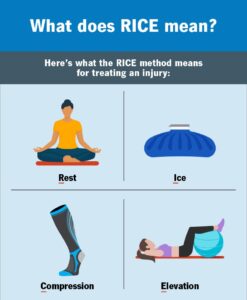
For many acute musculoskeletal injuries, early measures such as rest, ice, compression, and elevation can help reduce swelling, inflammation, and discomfort. Cleveland Clinic describes the RICE method as a longstanding way to manage soft-tissue injuries, especially early on.
Medication can also have a place, but this is where common sense and medical guidance should shake hands. Use pain relievers only as directed, and do not let a pill convince you that your injury has magically become a personality trait instead of a real limitation. Mayo Clinic notes that nonprescription medications may be appropriate in some situations, but the right approach depends on the injury and the person.
A good rule is this: if your pain suddenly worsens, swelling rapidly increases, you cannot bear weight, or something simply feels off, get checked rather than trying to win an argument with your own ligaments.
Eat Like Someone Who Wants to Heal Well
Recovery is not the ideal time to live on crackers, coffee, and optimism.
Your body needs raw materials to rebuild tissue and support immune function. Cleveland Clinic notes that protein, iron, zinc, and vitamins A and C are all important for healing, especially after injury or surgery.
That means focusing on meals that actually bring something to the party:
- protein from eggs, fish, poultry, beans, Greek yogurt, or lean meats
- colorful fruits and vegetables for vitamin C and antioxidants
- zinc-rich foods such as legumes, nuts, seeds, and whole grains
- healthy fats that help support overall recovery
Hydration matters too. It is not flashy advice, but neither is a cast, and both are useful.
Do Not Confuse “Feeling Better” With “Fully Healed”

This is where people get themselves into trouble.
A lot of injuries begin to feel better before they are truly healed. The swelling goes down, the pain eases, and suddenly people decide this is a sign from the universe that they should reorganize the garage, do a full workout, or carry something deeply unnecessary across the house.
Please do not.
The safer move is a gradual return to activity. Mayo Clinic recommends easing back based on symptoms and guidance from your healthcare team rather than sprinting back into normal life the moment you can hobble with confidence.
Healing is rarely a straight line. You may have a few good days, then one annoying setback. That does not always mean disaster. It often means your body is asking for a little more patience and a little less ego.
Physical Therapy Can Be the Difference Between Healing and Healing Well
There is a big difference between being technically recovered and actually moving well again.
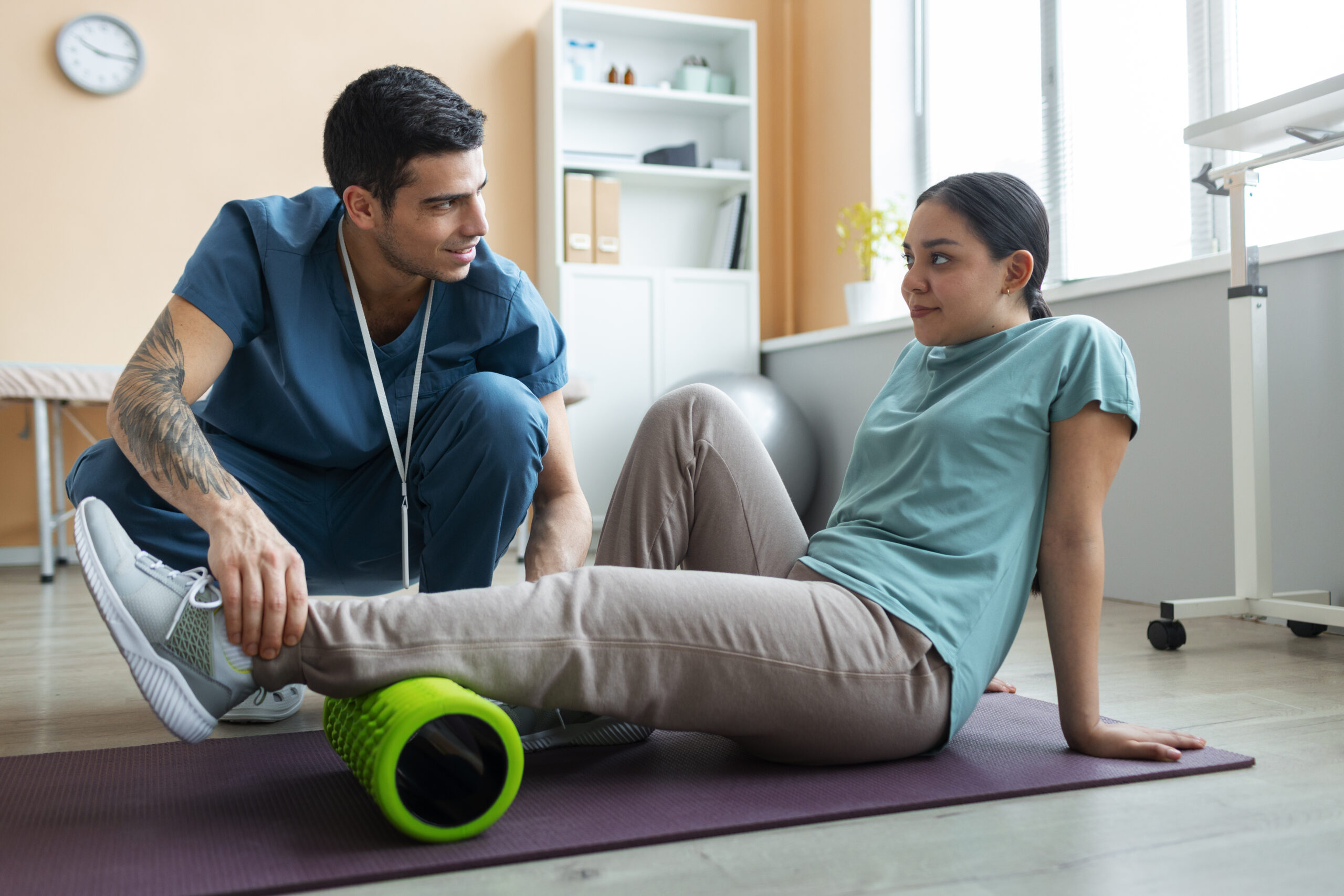
Physical therapy can help improve strength, flexibility, balance, range of motion, and overall function after an injury. Cleveland Clinic describes it as a common rehab step after injury and surgery, not just a last resort for major problems.
A good physical therapist does more than hand you a resistance band and wish you luck. They can identify weak points, movement compensations, and patterns that may have contributed to the injury in the first place. In other words, they help reduce the odds of meeting the exact same problem again in six months wearing a different shoe.
Take the Mental Side Seriously Too

Injuries do not only affect your body. They can make people feel anxious, frustrated, restless, isolated, or downright useless for a while, especially when routines are disrupted and independence takes a hit. Comprehensive pain and recovery programs often include attention to emotional well-being alongside physical healing.
That emotional side is real, and it deserves respect.
Talk to someone. Let people help you. Adjust expectations. Find small wins. If your current definition of triumph is showering without needing a committee, count it. Recovery has a way of shrinking the scale of success for a while, but that does not make the progress any less real.
A Better Recovery Is Usually a Slower, Smarter One
Most people do not ruin recovery by doing too little. They ruin it by doing too much too soon, ignoring pain signals, skipping rehab, eating poorly, sleeping badly, and expecting the body to behave like a machine with overnight shipping.
Unfortunately, the body is more artisanal than that.
The most successful recoveries tend to follow a more sensible formula: protect the injury, rest well, support healing with good food, manage swelling and pain appropriately, follow medical advice, and return to activity gradually. Those principles are consistently reflected in guidance from major health systems and medical sources.
So yes, be optimistic. But be patient too. Recovery is not about pretending nothing happened. It is about giving your body the chance to come back stronger, steadier, and perhaps a little less tolerant of nonsense.
