


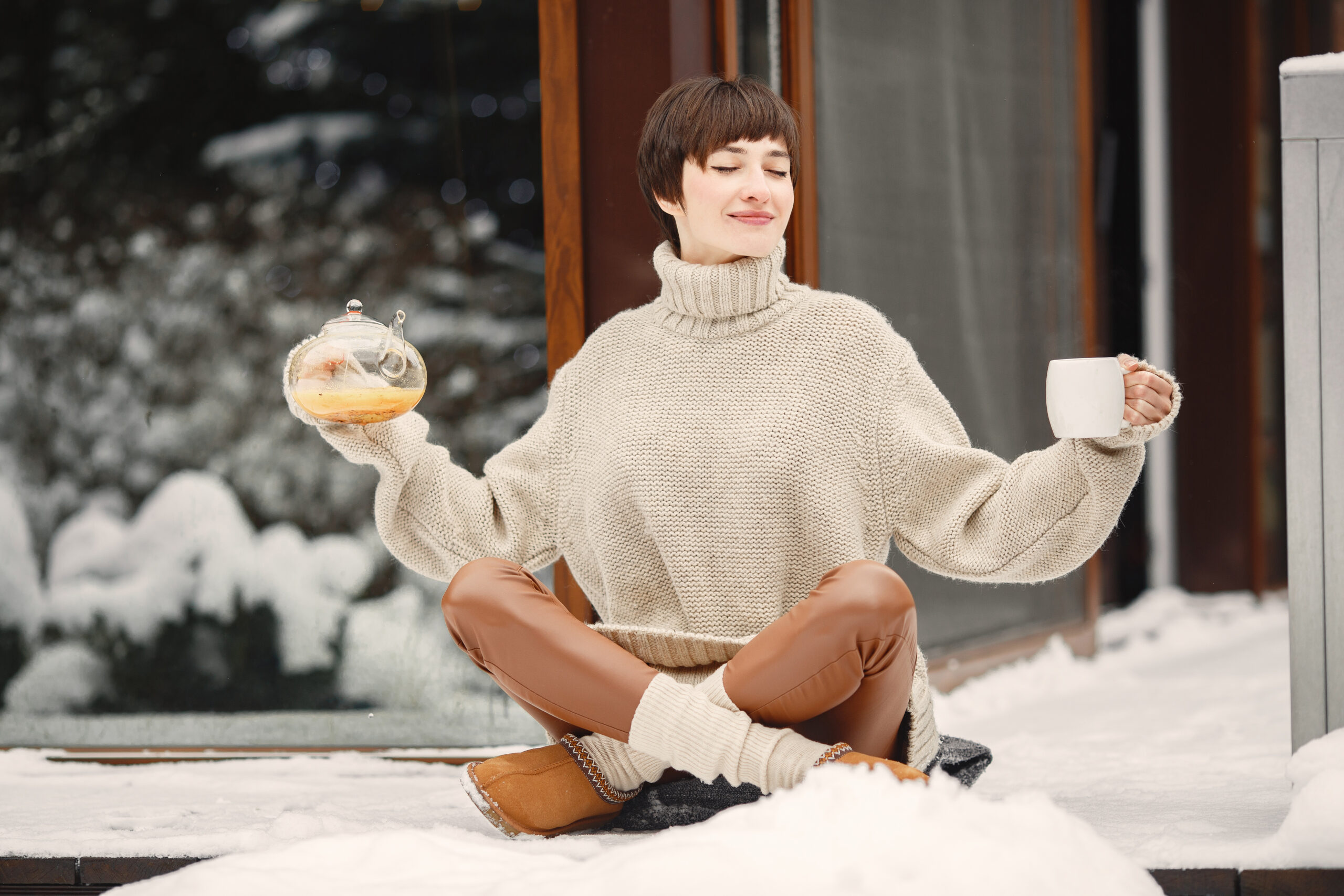
Winter comfort, at its most refined, is not about architecture or renovation budgets. It is about making the best out of your senses. Luxury hotels understand this instinctively. They do not rely on grand gestures to make a room feel indulgent. They rely on texture, warmth, light, and ritual, the quiet details the body notices long before the mind does.This is not about redecorating or spending thousands. It is about sensory upgrades, the same ones hotels obsess over, that make winter at home feel indulgent, calm, and elevated. It begins with a simple question many guests ask themselves after an especially good stay.Why does a luxury hotel room feel better than my own house and how do I recreate that feeling?Hotels have been answering that question for decades. They design for the body in cold months. Bedding cocoons without overheating. Lighting flatters dusk and dawn. Textiles soften surfaces that steal warmth. Towels and robes make winter mornings feel bearable. None of these experiences require new furniture or construction. They require attention, and in winter, attention becomes a rare luxury.
The Bed Treated as a Winter Ritual
Hotels treat the bed as an experience rather than a decorative anchor. Sheets are crisp and breathable, duvet inserts are lofty without being suffocating, and weight arrives through a top layer that signals cocooning once temperatures drop. Winter rewards this approach because the body instinctively seeks insulation without heaviness.At home, bedding is often chosen for how it looks instead of how it feels. Coordinated sets and pillow arrangements can photograph beautifully yet deliver very little to the sensory experience of winter nights and mornings. Hotels reverse this hierarchy. They prioritize how the bed meets the body at the coldest hours of the day. The bed becomes a seasonal refuge rather than a styling project.Luxury Hotels understand that in winter, the bed is not only where people sleep. It is where they recover.
Lighting as Atmosphere Instead of Utility
 One of the most overlooked luxuries of a hotel room in winter is the lighting. Instead of depending on a single ceiling fixture, luxury hotels create pools of warm, diffused light at eye level and table height. These sources soften shadows and make early sunsets feel cinematic rather than bleak.As daylight shrinks, homes often default to practicality. Bright overhead fixtures and cool bulbs produce clarity but lack comfort. They illuminate the room without enhancing the mood. Hotels solve this through temperature and placement instead of expense. Warm color temperatures and layered light sources allow evenings to unfold quietly and gradually.The result is a room that behaves as though winter is something to embrace rather than escape.
Textiles That Create Warmth Beyond the Thermostat
Luxury Hotels use textiles as insulation long before heating systems take over. Upholstered headboards eliminate the cold shock of leaning against a wall. Wool rugs and runners prevent floors from draining heat from the body. Throws add tactile and visual warmth to sofas and beds. These elements create comfort at surface level, where winter is felt most acutely.Homes, in contrast, tend to approach warmth mechanically. Thermostats are raised, vents push heated air into rooms, yet surfaces remain cold to the touch. Winter exposes the gap between temperature and comfort. The body interacts with surfaces more than with air, and surfaces require softness to feel generous.Luxury Hotels show that warmth is multisensory. It must be seen, touched, and felt, not just regulated.
Bath Textiles That Make Winter Mornings Livable
 The luxury hotel bathroom is a masterclass in winter hospitality. Towels are substantial, robes have real insulation, and the first contact with the floor is cushioned rather than icy. These are micro adjustments that extend warmth instead of interrupting it.At home, the towel is often the forgotten textile. Thin fabrics remove heat from the skin quickly, making winter mornings feel rushed and unforgiving. A dense towel or warm robe changes the tone of the morning without altering the bathroom itself. The bath mat becomes another small but crucial winter luxury. Stone and tile retain cold, while a cushioned mat returns heat and comfort at the moment the body needs it most.Hotels elevate mundane winter routines through consideration rather than extravagance.
Luxury as Consideration Rather Than Excess
What luxury hotels ultimately reveal is that winter luxury is not defined by excess. It is defined by attention. Attention to layers, to temperature, to sensation, and to the slow transitions that define cold months. Bedding, lighting, textiles, and bath linens are the quiet infrastructure of comfort because they acknowledge the season instead of resisting it.A winter home that feels like a luxury hotel does not depend on new cabinetry or investment-grade materials. It depends on sensory intelligence. It depends on making the best of your senses. And in winter, that becomes the most thoughtful form of luxury.Because when the world grows cold outside, the true indulgence is not escape. It is comfortable.
Here are some other articles related to your search:
- Smart Winter Home Upgrades That Save Energy Without Sacrificing Style
- How to Choose a Winter Jacket Without Losing Your Mind or Your Toes
- Five Must-Have Winter Jeans For the Cold Season