


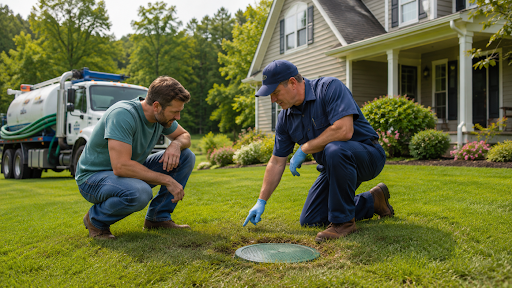
The most common septic system problems include blockages, damaged tank components, drainfield failure, root or structural damage, and poor maintenance. Most repairs require a septic professional, but homeowners can reduce the risk through water conservation, leak detection, regular pumping, and better landscaping decisions.
A septic system is one of those household features that works best when nobody has to think about it.
Wastewater leaves the house, the tank does its job underground, and daily life continues without anyone discussing what happens after the toilet flushes. That arrangement is perfectly pleasant—until drains begin gurgling, unpleasant odors drift across the yard, or a suspiciously soggy patch appears over the drainfield.
Septic problems rarely improve on their own. A relatively manageable blockage or damaged component can eventually affect the drainfield, leading to a much larger repair.
What Are the Most Common Septic System Problems?
The five most common septic system problems are:
- A full tank, clogged pipe, or blocked filter
- Damaged baffles, outlet tees, or dip pipes
- A saturated or failing drainfield
- Tree-root, soil-movement, or structural damage
- Poor maintenance or physical damage to the system
Most septic repairs are not safe or practical DIY projects. Homeowners can reduce water use, stop flushing unsuitable materials, repair plumbing leaks, and protect the drainfield, but tanks and buried components should be inspected by a qualified septic professional.
How Does a Septic System Work?
A conventional septic system includes a watertight tank and a drainfield, which may also be called a leach field or soil absorption field.
Wastewater travels from the house into the tank. Heavy solids settle at the bottom, fats and oils rise to the top, and liquid wastewater remains between them. That liquid then passes through an outlet component and into the drainfield, where the soil provides additional treatment.
The system depends on solid waste remaining inside the tank. When grease, wipes, sludge, or other solids reach the drainfield, they can clog pipes and soil, preventing wastewater from dispersing correctly.
The U.S. Environmental Protection Agency’s septic-system care guide recommends protecting the drainfield, conserving water, keeping unsuitable materials out of household drains, and having the system inspected and pumped at appropriate intervals.
1. A Full Tank, Clogged Pipe, or Blocked Filter

A single slow sink may point to an ordinary plumbing clog. When several drains slow down at once, however, the septic system deserves a closer look.
Warning signs can include:
- Toilets that do not flush normally
- Gurgling sounds from drains
- Wastewater backing up into a bathtub or shower
- Sewage odors near the house or tank
- A septic alarm sounding
- Slow drainage that returns soon after a pipe is cleared
The cause may be an obstruction between the house and tank, too much solid material inside the tank, or a clogged effluent filter.
How to Address It
Reduce water use while arranging an inspection. Avoid doing several loads of laundry, running the dishwasher repeatedly, or taking long showers until the cause is known.
Do not keep flushing toilets to test whether the problem has disappeared. Chemical drain openers and septic additives are also poor substitutes for a proper diagnosis.
A septic professional can determine whether the tank needs pumping, the outlet filter requires service, or a pipe needs to be cleaned or repaired. If sewage is already backing up into the home, stop using water as much as possible and request immediate service.
Helpful Product: A Whole-Home Water Monitor
A water monitor cannot repair a septic problem, but finding household leaks early can help prevent unnecessary water from being sent into an already stressed system.
The Moen Flo Smart Water Monitor and Shutoff monitors household water activity and pressure, provides alerts for unusual usage or potential leaks, and can automatically shut off the home’s water supply when a serious leak is detected. The device is installed directly on the home’s main water line.
For a simpler option, the battery-powered Zircon Leak Alert can be placed near sinks, water heaters, toilets, appliances, or other leak-prone areas. When the unit comes into contact with water, it sounds a loud alarm.
The Zircon does not monitor the entire plumbing system or diagnose septic trouble. Its role is simply to provide an early warning that water is appearing where it should not be.
2. A Damaged Baffle, Outlet Tee, or Effluent Filter
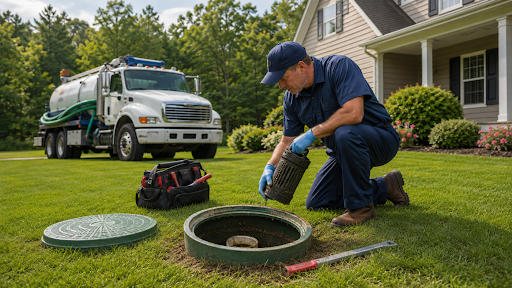
Older septic tanks may contain concrete baffles, while many newer systems use T-shaped inlet and outlet fittings. Some tanks also contain an effluent filter at the outlet.
These components help prevent floating scum and settled solids from escaping into the drainfield. If a baffle deteriorates, a fitting becomes disconnected, or a filter is missing or damaged, solids may move beyond the tank.
Once those solids enter the drainfield, they can clog distribution pipes and the surrounding soil. The homeowner may eventually notice recurring backups, outdoor odors, or wastewater reaching the ground surface.
How to Address It
A qualified contractor should inspect the inlet, outlet, baffles, filter, and tank condition. Depending on what is found, repairs may include:
- Replacing a deteriorated baffle or outlet tee
- Cleaning or replacing an effluent filter
- Pumping accumulated solids
- Inspecting the distribution box
- Evaluating whether solids have reached the drainfield
Pumping may relieve an immediate backup, but it will not undo damage already caused by solids entering the drainfield.
Helpful Product: Polylok PL-122 Effluent Filter
For a compatible residential septic system, a contractor may recommend an outlet filter such as the Polylok PL-122 Effluent Filter.
The PL-122 uses 122 linear feet of 1/16-inch filter slots and includes a flow-control ball designed to stop effluent flow when the filter is removed for servicing. That feature helps limit solids from leaving the tank during filter maintenance.
An effluent filter is a protective component, not a repair for an already damaged drainfield, tank, or distribution system.
Tank access and filter servicing should also be left to a septic professional. Septic gases, unstable lids, contaminated wastewater, and confined spaces can make working around an open tank extremely hazardous.
3. A Saturated or Failing Drainfield
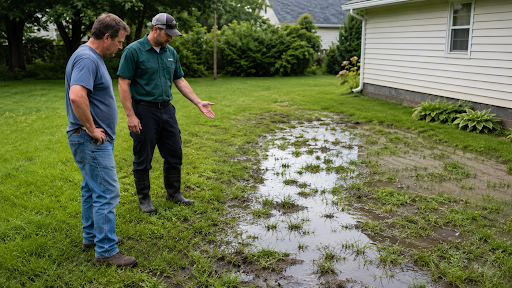
The drainfield needs uncompacted, unsaturated soil to accept and treat wastewater. If the area receives water faster than the soil can absorb it, effluent may collect near the surface or begin moving back toward the house.
Warning signs include:
- Standing water during otherwise dry weather
- Soft, muddy, or spongy ground
- Unusually bright green grass above the drainfield
- Persistent sewage odors outside
- Slow drainage throughout the house
- Backups that return after the tank has been pumped
A drainfield may become overloaded by leaking toilets, excessive laundry, increased household occupancy, stormwater, flooding, or solids escaping from the tank.
How to Address It
Start by reducing household water use and repairing leaking fixtures. Redirect gutter discharge, sump-pump water, and landscape runoff away from the septic area.
A professional must then determine whether the field is temporarily saturated, clogged with solids, compacted, improperly designed, or permanently failed.
Possible responses may include:
- Correcting household leaks or unusually high water use
- Redirecting stormwater away from the field
- Servicing tank or distribution components
- Evaluating clogged or damaged distribution lines
- Rehabilitating, expanding, or replacing a severely damaged drainfield
A field that is merely overloaded may recover after excess water use is corrected. A severely damaged drainfield may require much more extensive work.
Repeatedly pumping the tank is not a permanent solution for a failed drainfield.
Helpful Product for Pump-Based Systems
Some septic systems use pumps to move effluent to another tank, pressure-dosed field, or elevated drainfield. In those systems, a high-liquid-level alarm can provide an early warning if liquid rises beyond its normal operating level.
The Liberty Pumps ALM-2W High Liquid Level Alarm is designed for indoor or outdoor use and includes an 82-decibel horn and red warning light.
A septic contractor should determine whether the alarm is appropriate for the existing pump chamber and install the alarm float in the correct position.
The alarm does not repair a failed pump, blockage, or drainfield. Its value is the warning it provides, giving the homeowner an opportunity to reduce water use and request service before wastewater backs up.
4. Tree Roots, Soil Movement, and Structural Damage
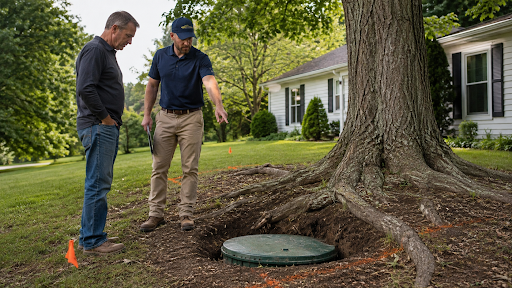
Tree roots naturally grow toward moisture. They may enter an already damaged pipe, shift distribution lines, interfere with the drainfield, or make septic components more difficult to access.
Ground settlement, erosion, flooding, and soil movement can also crack concrete tanks, shift plastic or fiberglass tanks, and separate buried pipes. Older steel tanks may corrode and become structurally unsafe.
Possible warning signs include:
- Unexplained wet ground
- Persistent outdoor odors
- Soil sinking near the tank
- Recurring pipe blockages
- A tank that appears to require unusually frequent pumping
- Sudden changes in system performance after flooding or construction
How to Address It
Do not begin cutting roots or excavating around the tank without first locating the entire system. Cutting major roots can destabilize a tree, while unplanned digging may damage pipes, lids, or other buried components.
Large trees and deeply rooted shrubs should be kept away from septic components. Shallow-rooted turf grass is generally the safest cover over a drainfield.
Penn State Extension also advises keeping trees and shrubs away from an absorption area because roots can interfere with drainpipes and make maintenance more difficult.
Before redesigning the yard, review our guide to 12 types of gardening and how to choose the right one. Container gardening and raised beds positioned safely away from septic components may be better choices than permanent planting over the system.
Cracked tanks, displaced pipes, damaged distribution boxes, and other buried structural problems require professional evaluation and repair.
5. Poor Maintenance and Vehicle Damage
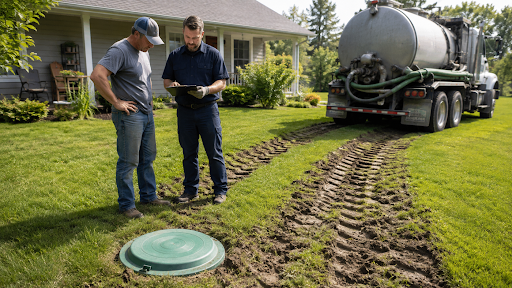
Many septic failures begin with a simple problem: the system is underground, so it is forgotten.
A septic tank does not automatically need to be pumped every year. For an average household system, the EPA recommends inspection at least every three years, while household septic tanks are typically pumped every three to five years.
The correct schedule depends on factors including:
- Household size
- Tank capacity
- Wastewater volume
- Amount of solids entering the system
- System design
- Local requirements
Alternative systems containing pumps, floats, electrical controls, or mechanical treatment equipment may require annual or more frequent professional service.
Physical pressure is another major concern. Cars, tractors, construction equipment, sheds, patios, pools, and other heavy loads should not be placed above a tank or drainfield unless the system was specifically designed for them.
Weight can damage buried components, while compacted soil becomes less capable of accepting wastewater.
How to Address It
Keep a household septic record containing:
- The location of the tank and drainfield
- Tank capacity and system type
- Inspection and pumping dates
- Filter-cleaning records
- Permits and installation plans
- Repair history
- Contractor contact information
Mark the septic area before construction, landscaping, or major yard work. Make sure contractors know where the tank, lids, distribution box, and drainfield are located.
When purchasing a rural property, request septic records and arrange for a dedicated septic inspection. A standard home inspection may not include a complete tank and drainfield evaluation.
Our guide to spotting a good investment property before you buy explains why plumbing, drainage, structural systems, and other major components should be assessed before cosmetic features influence the decision.
What Should Never Go Into a Septic System?

Flush only human waste and toilet paper. Keep the following materials out of toilets and household drains:
- Wipes, including products labeled flushable
- Paper towels and hygiene products
- Cooking fats, oils, and grease
- Cat litter
- Paint, solvents, pesticides, and automotive fluids
- Medications
- Coffee grounds and excessive food waste
- Large amounts of bleach or harsh cleaning chemicals
Spread laundry loads throughout the week, repair plumbing leaks promptly, and avoid routing gutters, sump pumps, swimming-pool water, or hot-tub drainage toward the septic system.
Septic additives are generally unnecessary for a properly functioning system. No additive can replace pumping, restore a structurally damaged tank, or repair a failed drainfield.
When Is a Septic Problem an Emergency?
Contact a septic professional immediately when:
- Sewage is backing up into the house
- Wastewater is surfacing outdoors
- A high-water alarm is sounding
- A tank lid appears cracked or displaced
- The ground above the tank is sinking
- Sewage is reaching a ditch, stream, well, or neighboring property
Keep children and pets away from affected areas.
Never enter a septic tank or lean into an open access point. Toxic gases, low oxygen, unstable materials, and contaminated wastewater can make the space deadly.
The Your Home Design Center Take
Most septic systems offer several warnings before they fail completely. The clue may be a slow drain, a gurgling toilet, a damp patch of lawn, or an odor that definitely is not coming from the flower bed.
Responding early matters. It may mean the difference between cleaning a filter and dealing with damage that has reached the drainfield.
Know where the system is located, protect it from vehicles and deep-rooted landscaping, fix household leaks promptly, and follow an inspection and pumping schedule based on the actual system rather than a generic rule.
Smart water monitors, leak alarms, high-water alarms, and effluent filters can provide useful layers of monitoring or protection, but they do not repair septic failures. When warning signs appear, the most important step is still having a qualified septic professional identify the real cause before a manageable problem becomes a very expensive one.
