


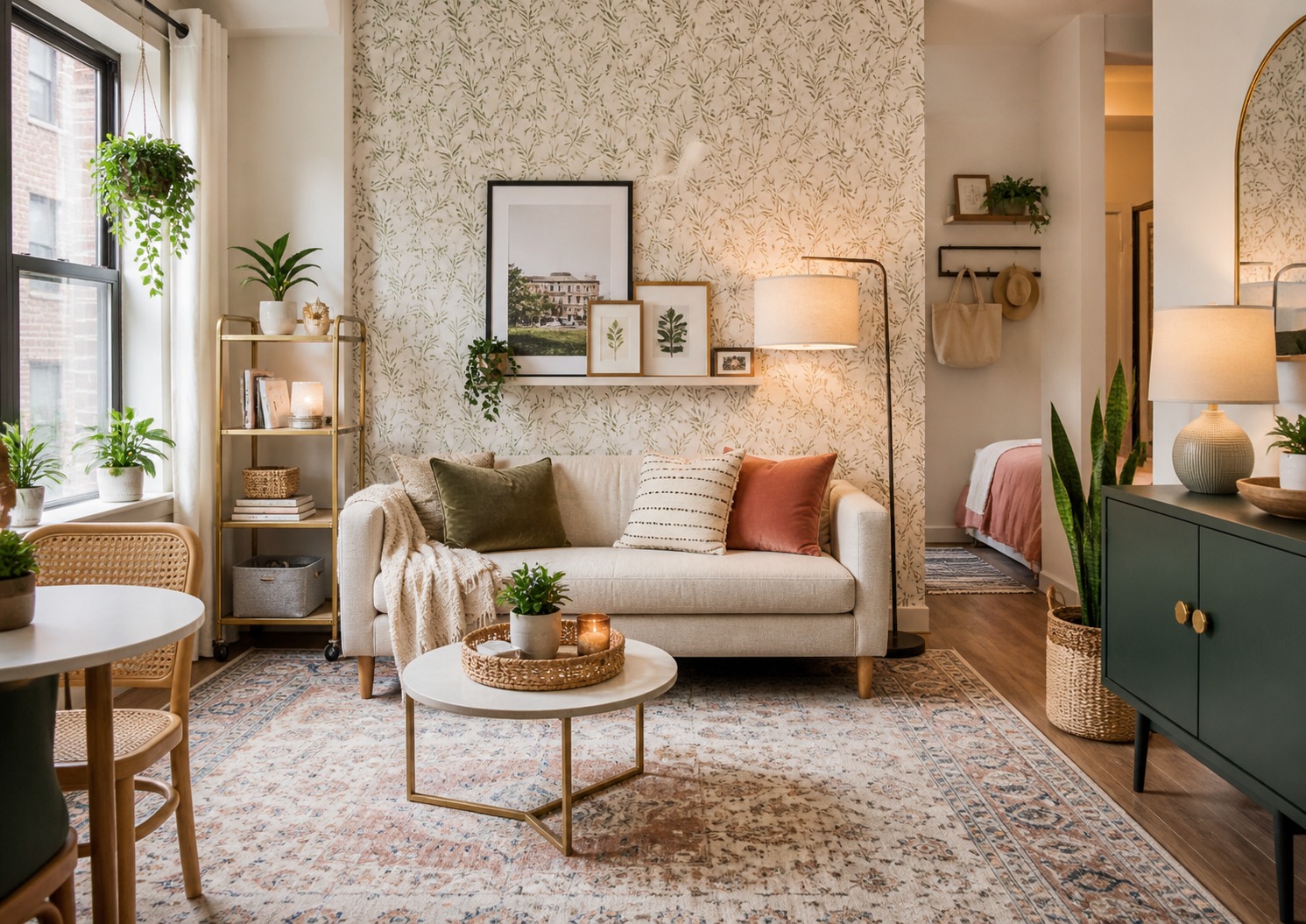
Living in a rental does not mean your home has to feel temporary, bland, or like someone else picked every finish during a very beige afternoon. You may not own the property, but you still live there. That means the space should feel comfortable, functional, and personal without putting your security deposit in danger.
The best renter-friendly home improvement ideas are attractive, affordable, and easy to reverse. Before making any major changes, always check your lease and get written approval from your landlord or property manager when needed. The California Department of Real Estate’s tenant guide explains that rental agreements and security deposits can affect what happens when a tenancy ends, so it is smart to understand the rules before making changes that could affect your lease or deposit. A quick email can save you from a long conversation later about paint colors, wall holes, or why the bathroom faucet suddenly looks more expensive than the rest of the building.
Good rental upgrades should improve how your home looks and works, but they should also be removable, swappable, or easy to repair when it is time to move. These renter-friendly home improvement ideas can help you refresh your space without turning it into a full renovation project.
1. Refresh the Walls with Paint or Removable Color
A fresh wall color can completely change the mood of a room. Paint can make a small apartment feel brighter, a bedroom feel calmer, or a living room feel more finished. Even a clean coat of white, cream, soft gray, or warm neutral paint can make an older rental feel fresher and more intentional.
That said, paint is one of those renter-friendly home improvement ideas that usually requires permission. Some landlords allow it as long as you repaint the walls back to the original color before moving out. Others may only approve certain shades. Get the answer in writing before opening the paint can.
If you are allowed to paint, choose low-odor, low-VOC paint when possible and ventilate the room while you work. The EPA explains that VOCs can affect indoor air quality, which is why airflow matters when painting indoors.
If painting is not allowed, consider removable alternatives. Peel-and-stick wall panels, temporary wallpaper, oversized art, fabric wall hangings, or framed prints can add personality without permanently changing the walls. This is especially helpful in bedrooms, dining areas, entryways, or home offices where one focal wall can make the room feel more designed.
2. Use Peel-and-Stick Wallpaper Carefully
Peel-and-stick wallpaper is one of the easiest ways to update a rental, but it works best when used thoughtfully. Instead of covering every wall, try it in smaller areas where it can create impact without overwhelming the room.
Good places to use removable wallpaper include an entry wall, the back of open shelves, a powder room, a closet nook, or the wall behind a bed. It can also work beautifully in a temporary home office area if you want a more polished video-call background.
Before installing it, test a small hidden area first. Some removable wallpapers come off cleanly, while others can damage paint depending on the wall texture, paint finish, humidity, and how long they stay up. Renter-friendly does not always mean landlord-proof, so a small test is worth the trouble.
3. Improve Floors Without Replacing Them
Rental floors can tell a long story, and not always one you want to read. Scratched wood, dated tile, worn carpet, or bland vinyl can make the entire space feel tired. Fortunately, you do not have to replace flooring to improve the look of a room.
Area rugs are the easiest fix. A large rug can soften a living room, define a dining space, hide imperfect floors, and make a bedroom feel warmer. Rug pads are also important because they help prevent slipping and protect the floor underneath.
For kitchens, bathrooms, or laundry areas, peel-and-stick floor tiles can be an option, but they should be used carefully. They are not ideal for every surface, and they may leave residue behind. If you want to use them, ask permission first and choose a product designed to be removable.
If your floors are in poor condition when you move in, take photos and document the damage immediately. That protects you later and helps avoid confusion when it is time to move out.
4. Swap Small Hardware for a Better Look
Small details can make a rental look much more finished. Cabinet knobs, drawer pulls, outlet covers, switch plates, towel hooks, and even showerheads can often be swapped without making permanent changes.
Changing cabinet hardware is one of the simplest renter-friendly home improvement ideas for a kitchen or bathroom. A basic cabinet can look more updated with brass, matte black, brushed nickel, glass, ceramic, or wood knobs. The key is to keep the original hardware in a labeled bag so you can reinstall it before moving out.
A new showerhead can also make a rental bathroom feel more comfortable. Many can be installed without special tools, and the original can be put back later. Just make sure the new one fits properly and does not create leaks. A beautiful showerhead is not worth explaining water damage to a landlord.
5. Create More Storage Without Built-Ins
Storage is one of the biggest challenges in many rentals. Closets may be small, kitchens may lack cabinets, and bathrooms often appear to have been designed by someone who owned one towel and no skincare products.
Instead of installing permanent built-ins, use renter-friendly storage pieces. Freestanding bookshelves, rolling carts, over-the-door organizers, storage benches, baskets, and modular shelving can add function without changing the structure of the home.
In the kitchen, a slim rolling cart can hold pantry items, coffee supplies, or cookware. In the bathroom, a ladder shelf or wall-leaning organizer can add towel and product storage. In the bedroom, under-bed storage can hide seasonal items, extra linens, or anything you do not want guests to know you own.
If you do install shelves, check your lease first and use the correct anchors. Keep in mind that you may need to patch and repaint the holes later.
6. Upgrade the Lighting
Lighting can make one of the biggest differences in a rental. A room with harsh overhead lighting can feel cold, flat, and slightly interrogation-room adjacent. Softer layered lighting makes the space feel warmer and more personal.
Start with lamps. Table lamps, floor lamps, plug-in wall sconces, and rechargeable lamps can all improve a room without requiring electrical work. Warm white bulbs are usually more flattering and comfortable than cold, bright bulbs.
If your rental has outdated light fixtures, you may be able to swap them with landlord approval. Keep the original fixture and reinstall it before moving out. If that feels like too much work, focus on plug-in options instead.
Mirrors can also help improve light. A well-placed mirror across from a window can reflect natural light and make a small space feel larger. It is an old design trick because it works.
7. Add Plants and Natural Texture
Plants are one of the easiest ways to make a rental feel more alive. They add color, softness, and texture without requiring permission from anyone except possibly your own schedule.
Start with low-maintenance plants if you are not naturally plant-inclined. Snake plants, pothos, ZZ plants, and peace lilies are popular choices for indoor spaces. Herbs can also work well in a sunny kitchen window, especially if you like the idea of cooking with fresh basil while pretending you are more organized than you are.
If you have pets, check plant safety before bringing greenery into the home. The ASPCA’s toxic and non-toxic plant list is a useful reference for renters with cats or dogs.
Planters, baskets, wood accents, linen curtains, woven shades, and natural-fiber rugs can also warm up a rental. These details make a home feel layered and thoughtful without changing the actual property.
If you hang planters from the ceiling or walls, make sure they are properly secured and approved if needed. A plant should improve the room, not crash dramatically onto the floor at 2 a.m.
Bonus Tip: Make the Rental Feel Like Home with Decor You Can Take With You
The smartest rental upgrades are the ones that move with you. Good rugs, lamps, curtains, mirrors, art, storage pieces, bedding, and furniture can all make your current space feel better while still being useful in your next home.
If you are working with a limited budget, spend money on pieces you can keep. Paint and temporary wallpaper may improve this rental, but a great lamp, quality curtains, or a beautiful rug can follow you to the next one.
For more ideas on settling into a new space, read How to Make Your New Place Feel Like Home.
What to Avoid in a Rental
Some home improvement ideas are better saved for a property you own. Avoid anything that is expensive, difficult to reverse, or likely to violate your lease. That includes removing cabinets, changing flooring permanently, replacing countertops, painting without permission, installing tile, making electrical changes, or drilling into surfaces without understanding the repair requirements.
You should also avoid over-investing in a rental. It is fine to make the home more comfortable, but major upgrades usually benefit the property owner more than the renter. Focus on affordable changes that improve your daily life and can either be removed or taken with you.
Final Thoughts
Renter-friendly home improvement is all about balance. You want your space to feel personal, stylish, and comfortable, but you also want to protect your deposit and avoid unnecessary conflict with your landlord.
Paint, removable wallpaper, area rugs, better lighting, updated hardware, flexible storage, and plants are all practical renter-friendly home improvement ideas that can make a rental feel more like home. Start with the changes that solve your biggest daily annoyances first. Maybe that is a dark living room, a bland kitchen, a tiny bathroom, or floors you prefer not to discuss.
With the right choices, a rental can feel polished, practical, and personal — even if you still have to ask permission before painting the walls.