


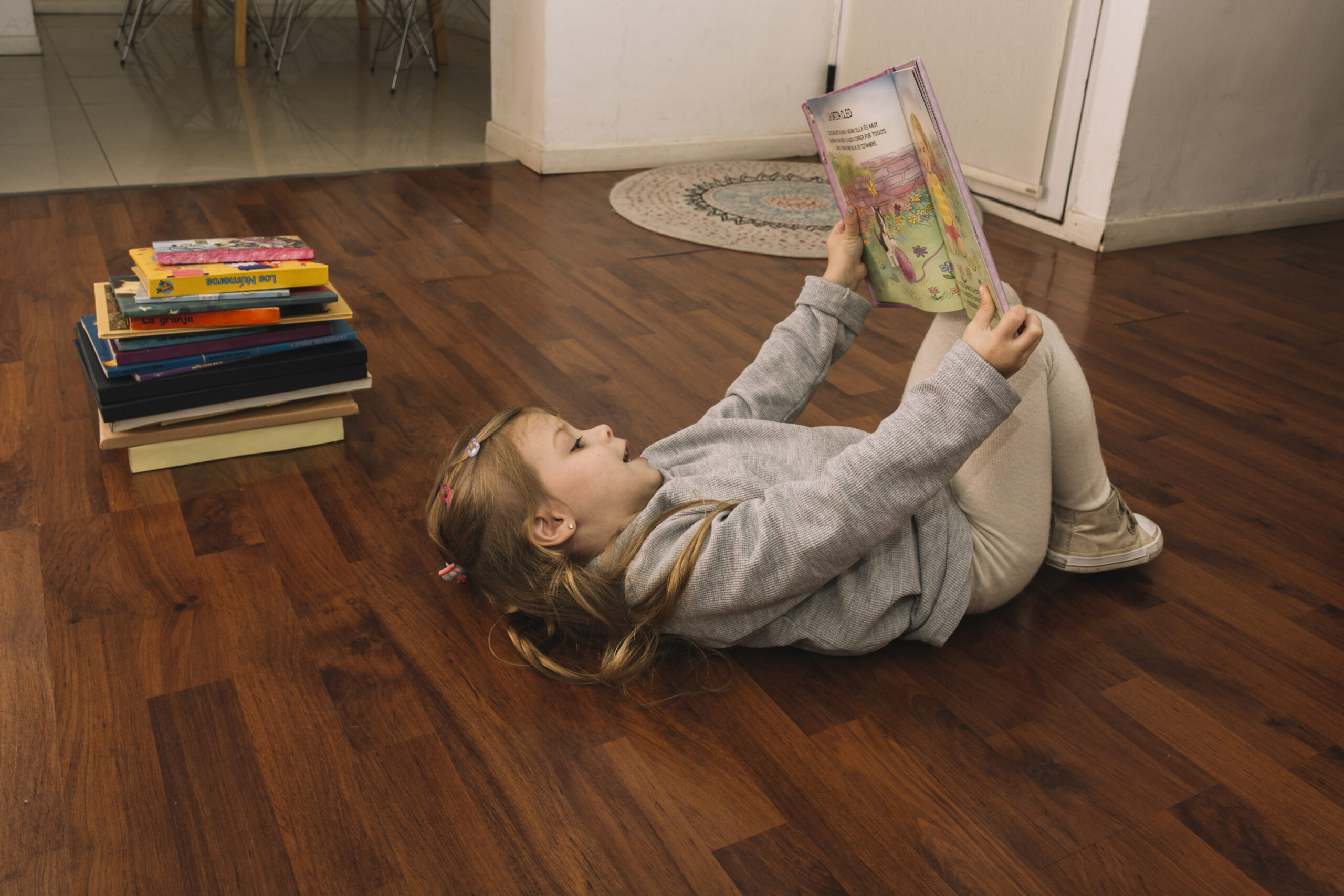
Laminate flooring spent years fighting a reputation problem. Early versions looked plastic, sounded hollow, and swelled at the first sign of moisture. Anyone who remembers those floors could be forgiven for dismissing the category. Doing so today would be a mistake. Modern laminate has advanced so far that it now competes seriously with hardwood and tile in many rooms, and the floating installation method that defines it explains much of its appeal.
What “floating” actually means
The term confuses newcomers. A floating floor does not attach to the subfloor at all. Instead, the planks lock together edge to edge, forming a single connected surface that rests on top of the subfloor, held in place by its own weight and the walls around it. This is fundamentally different from nailed hardwood or glued tile, and it accounts for many of laminate’s practical advantages.
Because the planks connect to each other rather than to the floor beneath, installation becomes accessible to competent do-it-yourselfers. Anyone considering floating laminate floors will find that the click-lock systems used by modern products can be installed with basic tools and patience, no nails, no glue, no specialized skills. This alone has driven much of laminate’s popularity, since the labor savings on a floor can rival the cost of the material itself.
The technology closed the appearance gap
The old knock against laminate was that it looked fake. That criticism has largely dissolved. High-resolution printing, embossed textures that align with the printed grain, and beveled edges that mimic real plank separations have brought laminate remarkably close to the real thing. From a standing position, a good modern laminate is difficult to distinguish from hardwood.
This visual progress matters because it removes the main reason people hesitated. A homeowner who wants the look of oak or walnut but cannot justify the cost, or who needs a more durable surface than solid wood, can now get a convincing wood appearance at a fraction of the price. Major manufacturers like Pergo, which effectively invented the category, and brands carried by suppliers across Quebec have pushed the realism forward year after year.
Durability where it counts
Laminate’s wear layer is genuinely tough. The surface resists scratches, dents, and fading better than most hardwoods, which is why laminate performs so well in busy households, homes with pets, and high-traffic areas. Wear resistance is rated on the AC scale, from AC1 for light residential use up to AC5 for commercial settings. Choosing the right rating for the space is the single most important decision in buying laminate.
For a typical home, AC3 handles general residential traffic comfortably, while AC4 suits busier households and light commercial spaces. Buying below the appropriate rating to save money leads to premature wear, while overbuying wastes budget. Matching the AC rating to the room’s actual use is a simple calculation that prevents both disappointment and unnecessary expense. A knowledgeable supplier can guide this choice based on how each room will be used.
The moisture question, honestly addressed
Laminate’s traditional weakness was water. The core of most laminate is a fiberboard that swells if it gets soaked, and this remains its main limitation. That said, water-resistant and even waterproof laminate products have entered the market, expanding where the material can go. For kitchens, entryways, and other spill-prone areas, these improved products offer laminate’s benefits with far less risk.
For bathrooms and other consistently wet areas, tile or specialized waterproof flooring still makes more sense. Being honest about this limitation helps homeowners choose the right floor for each room rather than forcing laminate everywhere and regretting it. The smart approach uses laminate where it excels, in living rooms, bedrooms, hallways, and dens, and turns to more water-tolerant options where moisture is a constant.
The underlayment nobody talks about
One reason early laminate sounded hollow and cheap was inadequate underlayment. The thin foam or cork layer that goes beneath a floating floor does more than most buyers realize. It cushions the floor, dampens sound, smooths minor subfloor imperfections, and in many cases provides a moisture barrier. Skimping here undermines an otherwise good floor.
A quality underlayment transforms how a laminate floor feels and sounds underfoot. It removes the hollow click that gave old laminate a bad name and adds a subtle softness that makes the floor more comfortable to walk on. Because underlayment is inexpensive relative to the flooring itself, upgrading it is one of the highest-value decisions in a laminate project. It is the kind of invisible detail that separates a floor people love from one they merely tolerate.
Room to expand, literally
Floating floors need room to move. Laminate expands and contracts with temperature and humidity, and because the whole surface floats as one connected sheet, it must have a gap around the perimeter to accommodate this movement. Installers leave an expansion gap at the walls, hidden later by baseboards or trim. Ignoring this requirement causes the floor to buckle, one of the few failures that plague laminate installations.
This is the detail most likely to trip up a first-time installer. The floor may look fine on installation day, then lift or bulge weeks later as it expands against walls with no room to grow. Respecting the expansion gap, following the manufacturer’s spacing recommendations, and acclimating the planks to the room before installation prevent this problem entirely. As with so much in flooring, the difference between success and failure lies in following the steps that are easy to skip.
How laminate compares to its rivals
It helps to place laminate against its main competitors honestly. Solid hardwood offers unmatched authenticity and can be refinished multiple times, but it costs more, scratches more easily, and reacts poorly to moisture. Engineered wood splits the difference, with a real wood veneer over a stable core, at a price between the two. Luxury vinyl plank has surged as a waterproof alternative, though some buyers prefer the firmer feel and texture of laminate underfoot.
Against this field, laminate occupies a clear position: the most convincing wood look for the money, with strong scratch resistance and easy installation, held back mainly by its moisture limitation. For a family that wants durable, attractive flooring across bedrooms, hallways, and living areas without a hardwood budget, it is often the most sensible pick. Understanding where it sits relative to hardwood, engineered wood, and vinyl helps a homeowner choose with clarity rather than being swayed by whichever product a salesperson happens to favor.
A category that earned its comeback
Floating laminate has come a long way from the flimsy product that gave it a poor early reputation. Today it offers a convincing appearance, real durability, accessible installation, and a price that undercuts most alternatives. Used in the right rooms, with the right AC rating, a quality underlayment, and a proper expansion gap, it delivers years of good service. For homeowners who want the look of wood without the cost or fragility, modern laminate has become one of the most sensible choices on the market, and its rising popularity is no accident.
Here are some other articles related to your search:
