


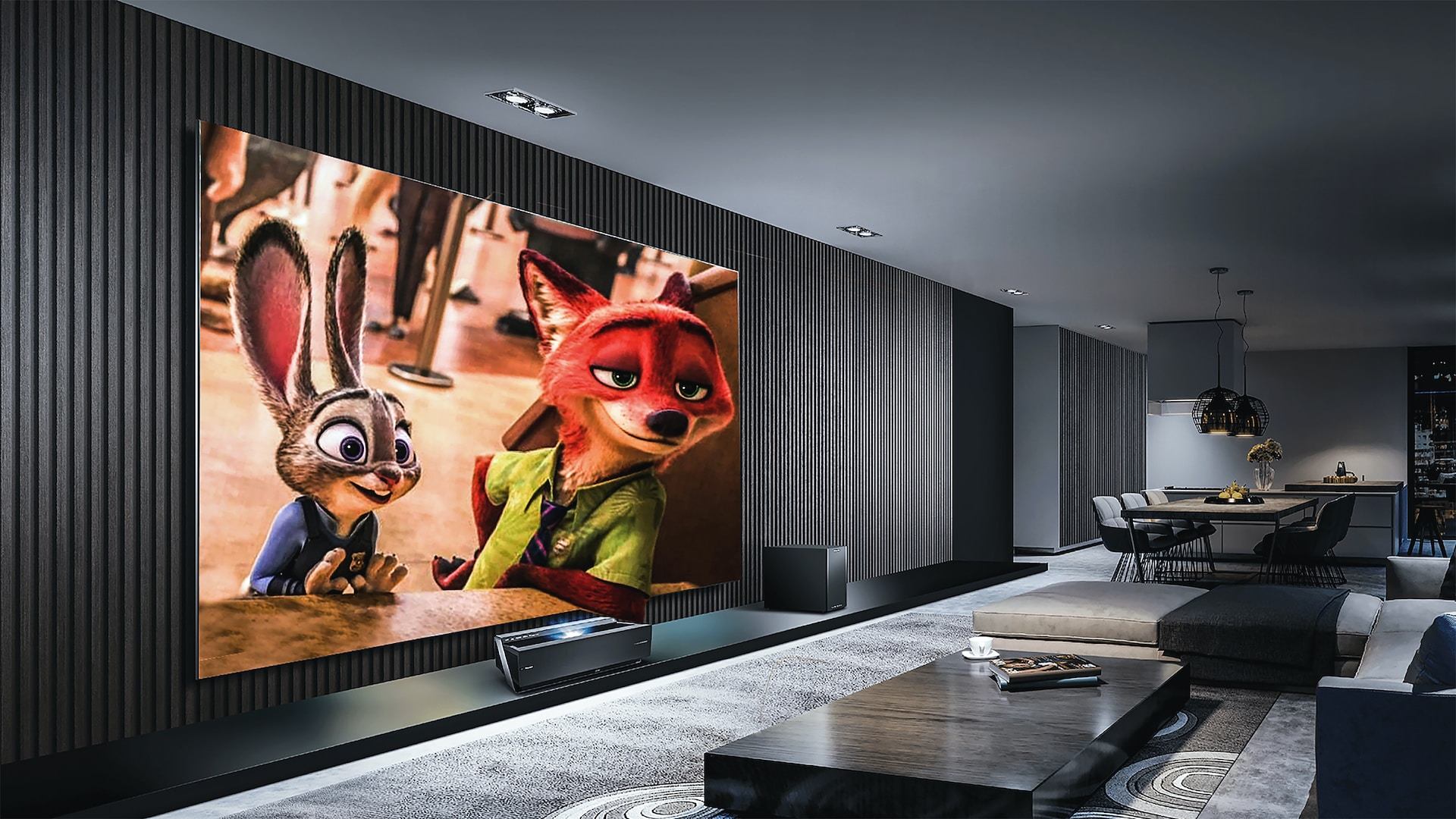
A good home theater setup should make movie night feel bigger, cleaner, and more immersive without turning the living room into a tangle of wires, remotes, and buyer’s remorse. The right system can make dialogue clearer, music fuller, and action scenes feel less like they are coming from a flat television speaker trapped behind a screen.
For homeowners who want better sound without building a full custom theater room, an affordable all-in-one home theater system can be a smart upgrade. Sony has long been one of the familiar names in home entertainment, but the best choice is not always the most expensive model or the one with the longest feature list. The better question is simple: what system actually fits your room, your television, and the way you use your space?
If you are shopping for an affordable home theater setup, focus on sound quality, connection options, speaker placement, room size, and ease of use. A system that sounds impressive in a small den may not be powerful enough for a large open-concept living room. Likewise, a larger 5.1-channel setup may be more than you need if you mostly stream shows in a compact apartment or bedroom.
Start With the Room, Not the Box
Before comparing models, look at the room where the system will actually live. A small bedroom, apartment living room, or compact media area may only need a soundbar and subwoofer. A larger family room may benefit from a true 5.1-channel setup with rear speakers for a more cinematic effect.
Room shape matters too. Open-concept spaces can be harder to fill with sound because there are fewer walls to help contain the audio. Rooms with high ceilings, tile floors, or very little furniture may sound echoey. Soft materials such as rugs, curtains, upholstered furniture, and wall art can help the room feel warmer and less harsh acoustically.
If you are improving a room for better sound overall, you may also want to read our guide on how to soundproof a room in your home.
What an All-in-One Home Theater System Actually Means
An all-in-one home theater system usually includes the main speaker unit, subwoofer, rear speakers, amplifier components, and basic connection options in one package. This can be helpful for homeowners who do not want to piece together separate speakers, receivers, cables, and accessories.
The biggest advantage is simplicity. You get a system designed to work together, which can make setup easier and reduce compatibility issues. The tradeoff is that all-in-one systems are usually less flexible than a custom receiver-and-speaker setup. If you want to upgrade each component over time, a more modular system may be a better long-term choice.
Why Sony Is Still a Familiar Home Theater Name
Sony has been part of the home entertainment world for decades, with products ranging from televisions and soundbars to Blu-ray players, speakers, and full surround sound systems. For budget-minded homeowners, Sony’s appeal is often its mix of recognizable branding, straightforward setup, and models that are easy to understand.
Some Sony systems, such as the HT-S20R in certain markets, are designed as 5.1-channel home cinema systems with a soundbar, rear speakers, and a wired subwoofer. That type of setup can offer a more traditional surround sound experience than a basic two-speaker soundbar.
Still, model availability and pricing can vary by country, retailer, and year. Instead of shopping only by old price ranges, compare current specifications, warranty details, customer reviews, and return policies before buying.
Audio Quality Matters More Than Big Marketing Words
Home theater product pages love dramatic language. Immersive. Cinematic. Powerful. Room-filling. All of that sounds nice, but what you really want is clear dialogue, balanced bass, and enough volume for your space without distortion.
For everyday use, dialogue clarity may matter more than thunderous bass. If you constantly turn the volume up to hear conversation and then scramble for the remote when an explosion hits, your current setup is not doing its job. Look for systems with a dedicated center channel, dialogue mode, or clear voice feature if you watch a lot of movies, sports, or streaming shows.
Understand 2.1, 3.1, and 5.1 Systems
Home theater numbers can look confusing at first, but they are fairly simple once you know what they mean. A 2.1 system usually includes left and right audio channels plus a subwoofer. A 3.1 system adds a center channel, which can improve dialogue. A 5.1 system adds rear surround speakers for a more complete movie-night experience.
For many homeowners, a 3.1 soundbar with a subwoofer is a strong everyday upgrade. For people who want more surround effect, a 5.1 system can feel more cinematic, especially when the rear speakers are placed properly.
Dolby’s surround sound speaker setup guide is a helpful resource if you want to understand how speaker placement affects the listening experience.
Connectivity Can Make or Break the Experience
Before buying a home theater system, check the ports on your television. HDMI ARC or HDMI eARC is usually the cleanest option because it can allow audio to travel from the TV to the sound system through a single HDMI connection. Optical audio is another common option, especially for older TVs.
Bluetooth can be useful if you want to stream music from a phone or tablet, while USB playback may appeal to people who still keep music or video files on a drive. Some systems also include app support, wireless subwoofers, or smart TV compatibility.
The goal is not to buy the system with the most features. The goal is to buy the system with the features you will actually use.
Be Careful With Old Price Lists
One of the biggest problems with older home theater buying guides is that they list specific prices that may no longer be accurate. Electronics pricing changes constantly. Models are refreshed, discontinued, discounted, or replaced, and pricing can vary widely between regions.
Instead of relying on an old “best under” price list, use a budget range as a starting point. Then compare current models based on speaker configuration, warranty, connection options, room size, and return policy. A slightly higher-priced system that works properly with your TV may be a better value than a cheaper system that becomes a daily frustration.
Features Worth Looking For
For an affordable home theater system, look for practical features first. HDMI ARC, optical input, Bluetooth, a dedicated subwoofer, clear dialogue settings, and simple remote control support are more useful than flashy extras you may never touch.
If you are considering a 5.1 system, check whether the rear speakers are wired or wireless. Wired rear speakers can still sound good, but you need a realistic plan for where the wires will go. Nobody wants a beautiful living room with a cable quietly trying to trip guests near the sofa.
Think About Placement Before You Buy
Speaker placement matters. A soundbar should usually sit centered below the TV, not shoved into a cabinet where the sound is blocked. A subwoofer needs floor space and may sound different depending on the corner or wall where it is placed. Rear speakers need a practical location behind or beside the main seating area.
If your living room layout does not allow for rear speakers, a high-quality soundbar may be the better choice. If you have the space and do not mind a little setup planning, a 5.1-channel system can make movies and gaming feel more engaging.
Do You Need a Full Home Theater System or Just a Better Soundbar?
Not every home needs a full surround sound package. If you mostly watch casual TV, news, and streaming shows, a good soundbar with a subwoofer may be enough. If you love movies, gaming, concerts, and sports, a 5.1-channel system may be worth the extra setup.
Homeowners with dedicated media rooms may want to move beyond an all-in-one package and consider a more customized setup. But for many households, an affordable all-in-one system is a practical middle ground between weak TV speakers and a full custom installation.
Style Still Matters in a Living Room
Home theater equipment should improve the room, not take over the room. Look for a system that fits the size of your media console, blends with your television, and does not create visual clutter. Slim soundbars, compact subwoofers, and clean cable management can make a big difference.
If the system will be placed in a formal living room, open family room, or multipurpose space, design matters almost as much as performance. The best setup is the one that sounds good and still lets the room feel like a home, not an electronics aisle.
Final Thoughts on Affordable Home Theater Systems
An affordable all-in-one home theater system can be a smart upgrade if you want better sound without building a complicated media room. Sony remains a familiar brand in this category, but the right choice depends on your room size, TV connections, speaker layout, and listening habits.
Before buying, ignore outdated price claims and focus on current specifications. Look for clear dialogue, balanced bass, useful connectivity, and a setup that works with your actual room. When the system fits the space, movie night feels better, music sounds fuller, and your living room becomes a more enjoyable place to relax.