


Editor’s note: This article has been updated with current 2026 outdoor living trends, practical patio layout advice, and fresh design links for homeowners creating softer, more comfortable outdoor spaces.
Outdoor furniture used to be the place design went to give up. A metal table, a few stiff chairs, maybe a beige cushion that faded by Labor Day, and somehow we all called that a patio. Thankfully, outdoor spaces have grown up. Today, the patio is expected to function more like a real room: comfortable, useful, good-looking, and not terrifying when someone suggests sitting outside after dinner.
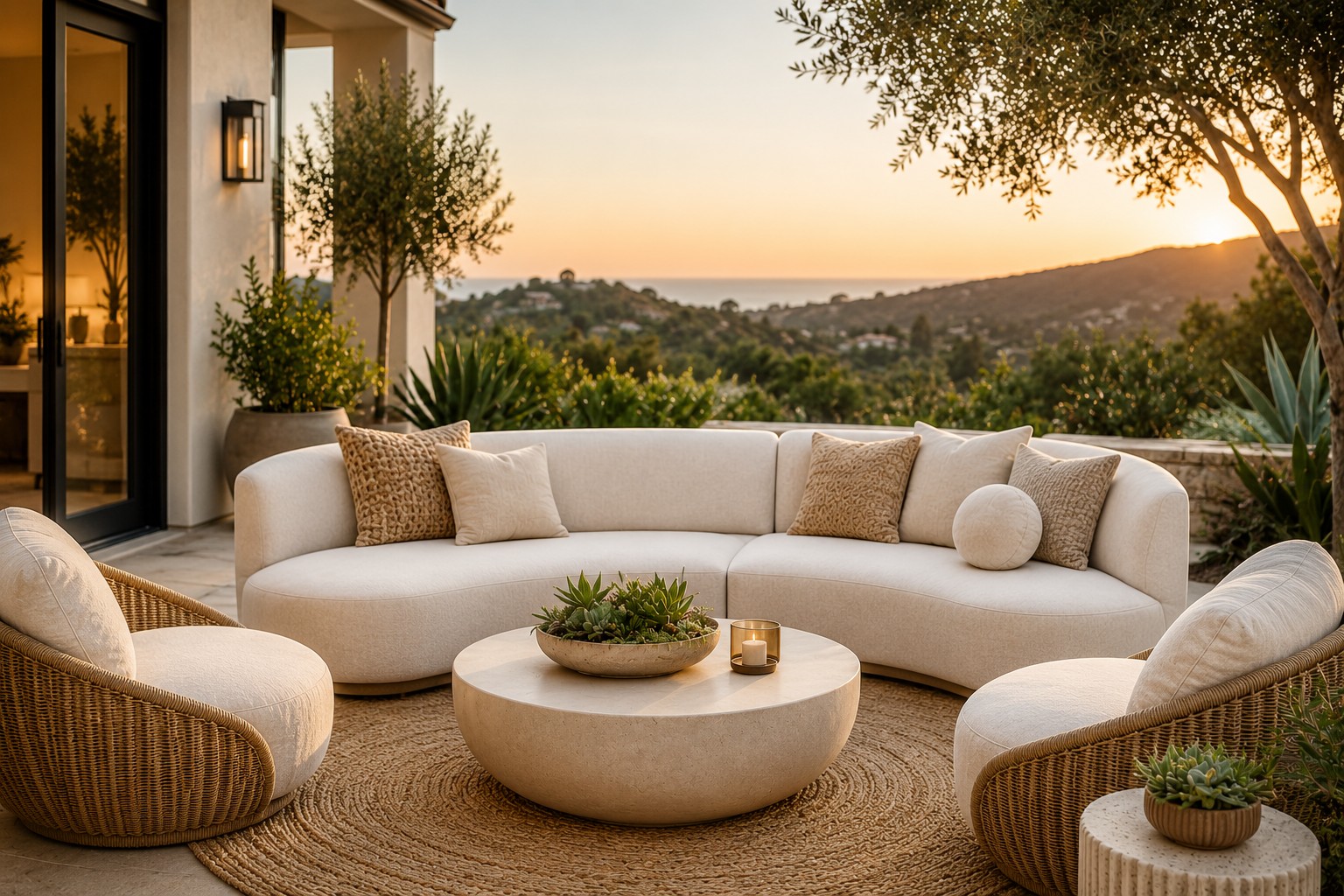
One of the biggest shifts is the move toward curved outdoor furniture. Rounded sofas, circular coffee tables, curved benches, soft-edged lounge chairs, and sculptural daybeds are replacing the stiff, boxy patio sets that used to dominate backyards. The result is an outdoor space that feels less like a furniture showroom and more like a place people actually want to linger.
This softer direction is not just a social media mood. Houzz’s 2026 outdoor living trends highlight outdoor rooms as extensions of the home, with curved seating, furniture for gathering, portable lighting, stylish shading, and lounge-worthy layouts all shaping the way patios are being designed now. The National Association of Realtors also points to scalloped, circular shapes and curves as a major 2026 design trend because they make spaces feel more approachable, comfortable, and quietly luxurious.
For homeowners, this is good news. A softer patio does not require a complete backyard renovation. It requires better choices: furniture with shape, scale that makes sense, seating that encourages conversation, shade that does more than technically exist, and lighting that keeps the space usable after the sun clocks out.
Why Curved Outdoor Furniture Works So Well
Patios are usually built from hard materials: concrete, stone, brick, tile, stucco, fencing, railings, and straight architectural lines. Add a rectangular dining table, squared-off sectional, and sharp-edged coffee table, and the entire space can start to feel a little severe. Curves soften that immediately.
Curved outdoor furniture breaks up all those hard surfaces. A rounded lounge chair makes a corner feel more relaxed. A circular coffee table improves traffic flow. A curved sofa creates a more intimate conversation area. Even a drum-style side table can make an outdoor setup feel more finished and less like everything was dragged outside for a party and never brought back in.
Curves also help outdoor seating feel more social. A straight sofa can make everyone sit in a row like they are waiting for an appointment. A curved sofa or semicircle of chairs naturally turns people toward one another. That matters if the patio is meant for cocktails, family dinners, fire-pit nights, or any gathering where people are expected to speak to each other instead of silently facing the grill.
Start With How You Actually Use the Patio
Before buying anything, decide what your patio is supposed to do. This is the step people skip right before they accidentally buy a dining set for a family that only eats outside twice a year.
If you entertain often, prioritize seating, flow, side tables, and a place for drinks and food. If the patio is mostly for quiet mornings, invest in comfortable lounge chairs, shade, and a small table for coffee. If you have kids or pets, leave more open floor space than the catalog photo suggests. If the patio is visible from the kitchen or living room, treat it like part of the interior design plan instead of a separate afterthought.
The old rule still applies: form follows function. The better rule for homeowners is this: do not buy the prettiest outdoor furniture until you know where people are going to sit, walk, eat, set down a glass, escape the sun, and avoid bumping into furniture in flip-flops.
Use One Curved Piece as the Anchor
The easiest way to use curved outdoor furniture is to start with one major piece. A curved outdoor sofa, round dining table, rounded lounge chair, oval coffee table, or circular daybed can set the tone without making the patio look like it is trying too hard.
On a larger patio, a curved sectional or semicircular sofa can define a lounge zone beautifully, especially around a fire pit or low coffee table. In a smaller space, try a pair of rounded lounge chairs or a circular bistro table instead. The goal is not to cram a resort cabana into a townhome balcony. The goal is to borrow the softness and use it at the right scale.
If your patio already has a straight-lined sofa or dining set, you do not need to replace everything. Add a round side table, curved ottoman, softer lounge chair, or circular outdoor rug. One rounded piece can make the entire space feel less rigid.
Balance Soft Shapes With Structure
Curves need contrast. Too many rounded pieces can make a patio feel visually loose, especially outdoors where plants, umbrellas, and cushions already add softness. The most polished outdoor rooms mix curves with clean lines.
Pair a curved sofa with a simple rectangular console. Use rounded lounge chairs around a square fire pit. Place a circular coffee table on a tailored outdoor rug. Combine a round dining table with classic woven chairs. This mix keeps the patio from looking like a trend display.
This is also where the main YHDC curvy furniture article becomes helpful. The same balance that works indoors works outside: one or two soft shapes, grounded by simpler pieces. For more on that larger design trend, see Curvy Furniture and Decor Is Back, But Here’s How to Make It Work at Home.
Think About Scale Before You Fall in Love With a Sofa
Outdoor furniture is sneaky. It often looks smaller online than it does when delivered, assembled, and suddenly blocking the sliding door. Before ordering a curved sectional or oversized daybed, measure the patio and map the walking paths.
Leave enough room for people to move comfortably between the door, seating area, grill, dining table, pool gate, or stairs. As a practical rule, tighter patios do better with chairs, benches, small sofas, and round tables. Large patios can handle sectionals, loungers, and separate zones for dining and relaxing.
Curved furniture can actually help with scale when used correctly. A round coffee table can be easier to walk around than a rectangular one. A curved bench can tuck into a corner more gracefully than multiple chairs. An oval dining table can seat a crowd while feeling less bulky than a long rectangle.
Create Zones Without Making the Patio Feel Chopped Up
If you have a larger outdoor space, zoning is essential. A good patio usually has a few clear areas: one for lounging, one for dining, one for cooking, and possibly one for a fire pit, poolside moment, or quiet reading spot.
Curved furniture is useful here because it can define an area without creating a hard visual wall. A curved sofa can wrap around a coffee table. A round dining table can soften the transition between kitchen and garden. A pair of swivel chairs can connect two zones because people can turn toward the conversation, the view, or the person pretending to be in charge of the grill.
For a more layered patio, use outdoor rugs, planters, lighting, and shade to separate spaces gently. This keeps the design practical without making the yard feel like a map of tiny departments.
Choose Materials That Can Handle Real Weather
Curves may be pretty, but outdoor furniture still has to survive sun, moisture, salt air, dust, wind, pets, children, and the occasional guest who sits down with a plate of ribs and too much confidence.
Look for outdoor-rated materials that fit your climate. Powder-coated aluminum is lightweight and often durable. Teak and other weather-friendly woods bring warmth but require care. All-weather wicker can soften a space, especially when paired with modern cushions. Performance fabrics are worth considering for cushions, pillows, and upholstered outdoor pieces because they are designed to resist fading, moisture, and everyday spills.
The U.S. Environmental Protection Agency recommends looking at furniture materials, durability, recycled content, and product life cycle when choosing greener furniture. That advice applies outdoors too. A cheap patio set that falls apart quickly is not much of a bargain if it has to be replaced every season.
Layer Texture So the Patio Feels Designed
The difference between a patio that looks finished and one that looks temporary often comes down to texture. Curved outdoor furniture gives you the shape, but texture gives the space warmth.
Mix woven chairs with smooth metal. Pair a rounded wood table with linen-look cushions. Add an outdoor rug under a seating area. Use planters, stone, ceramic garden stools, woven lanterns, and weather-friendly pillows to make the patio feel less flat.
Texture also helps neutral patios avoid looking bland. Beige can be beautiful, but only if it has company. A cream cushion, teak table, woven chair, terra-cotta planter, and black metal lantern will feel layered. Five beige plastic pieces will feel like someone ordered patio furniture under emotional duress.
Do Not Forget Shade
Shade is not optional. It is the difference between a patio people enjoy and a patio people admire from indoors while standing next to the air conditioning.
Umbrellas, pergolas, shade sails, trees, covered patios, and retractable awnings can all make an outdoor space more usable. Shade also protects furniture and fabrics from constant sun exposure, which matters if you are investing in better pieces.
For a softer patio, think of shade as part of the design. A scalloped umbrella, striped canopy, woven pergola cover, or clean-lined shade sail can add personality while doing actual work. The best outdoor spaces are pretty and useful. One without the other is just an expensive inconvenience.
Use Lighting to Make the Patio Work at Night
Lighting is where many patios fall apart. A beautiful seating area can feel unfinished if the only light source is a security floodlight that makes everyone look like they are being questioned.
Layer your outdoor lighting. Use string lights for atmosphere, path lights for safety, lanterns for softness, wall sconces near doors, and portable rechargeable lamps for tables. Houzz also notes portable lighting as one of the outdoor living trends shaping 2026, which makes sense because flexible lamps are useful for patios, balconies, decks, and dining areas that need lighting without a complicated installation.
Lighting should make people want to stay outside longer. It should not make the patio feel like a parking lot. Warm, soft, layered light is usually the answer.
Add Comfort Without Overcrowding the Space
Comfort is the whole point of the softer patio trend. But comfort does not mean loading the space with so many cushions, poufs, side tables, and accessories that nobody can walk through it.
Choose fewer, better pieces. A deep lounge chair with a curved back may be more useful than three stiff chairs. A round ottoman can serve as a footrest, extra seat, or coffee table. A curved bench may seat more people than separate chairs while taking up less visual space.
For small patios, choose flexible pieces: nesting tables, lightweight chairs, folding stools, storage benches, and round tables that do not interrupt the traffic flow. For large patios, create comfort through zones, not clutter.
Bring the Indoors Out Carefully
The indoor-outdoor look is still strong, but it works best when homeowners translate the feeling of the interior rather than copying it piece by piece. Outdoor spaces need tougher materials, more open circulation, and furniture that makes sense in sun and weather.
If your home interior already uses warm woods, woven texture, curved decor, or soft neutral colors, repeat a few of those notes outside. If your indoor style is modern and clean, use curved outdoor furniture to soften the patio without changing the whole mood. If your home is coastal, lean into rounded rattan, teak, linen-look cushions, and relaxed shapes without turning the patio into a souvenir shop.
The goal is connection. When the patio is visible from inside, it should feel like the next chapter of the home, not a separate story written by a different person with a coupon code.
What to Buy First
If the patio needs a refresh but not a full redesign, start with the pieces that will make the biggest difference.
- Round coffee table: Good for traffic flow and easy to style with a tray, lantern, or planter.
- Curved lounge chair: A softer alternative to the stiff outdoor chair that no one voluntarily chooses.
- Outdoor rug: Helps define a seating zone and makes the patio feel more like a room.
- Portable lamp or lantern: Adds evening atmosphere without hiring an electrician.
- Round or oval dining table: Better for conversation and often easier to place in smaller spaces.
- Curved bench: Useful around fire pits, garden edges, or conversation areas.
- Large planters: Adds height, greenery, and softness around furniture.
- Better shade: An umbrella, canopy, or pergola detail can make the patio usable for more of the day.
Common Patio Furniture Mistakes to Avoid
The biggest mistake is buying a matching set without thinking about the actual space. Matching sets are easy, but they can also make a patio feel flat. A more collected mix of materials, shapes, and textures usually looks better.
The second mistake is ignoring comfort. Outdoor furniture should look good, but it also has to pass the sit test. If a chair is beautiful and miserable, it is sculpture, not furniture.
The third mistake is forgetting maintenance. White cushions, uncovered teak, delicate finishes, and complicated upholstery may look gorgeous at first, but every patio needs to be honest about real life. Sun, rain, dust, and barbecue smoke do not care about your Pinterest board.
The fourth mistake is underestimating scale. A large curved sofa can look luxurious in a photo and ridiculous on a small patio. Measure first. Fall in love second.
So, Is Curved Outdoor Furniture Worth It?
Yes, if it helps the patio feel softer, more comfortable, and more useful. The best curved outdoor furniture is not trendy for the sake of being trendy. It solves real design problems: hard edges, awkward layouts, stiff seating, poor flow, and outdoor spaces that never quite feel finished.
Start with one strong curved piece, balance it with cleaner lines, layer in texture, add shade, and finish with lighting that makes the space work after sunset. Done well, the softer patio trend is less about chasing a look and more about creating an outdoor room people actually use.
That is the real test of any patio design. Not whether it photographs beautifully the day the furniture arrives, but whether people choose to sit there, stay there, and say, “Let’s eat outside,” even when no one has technically planned dinner.