


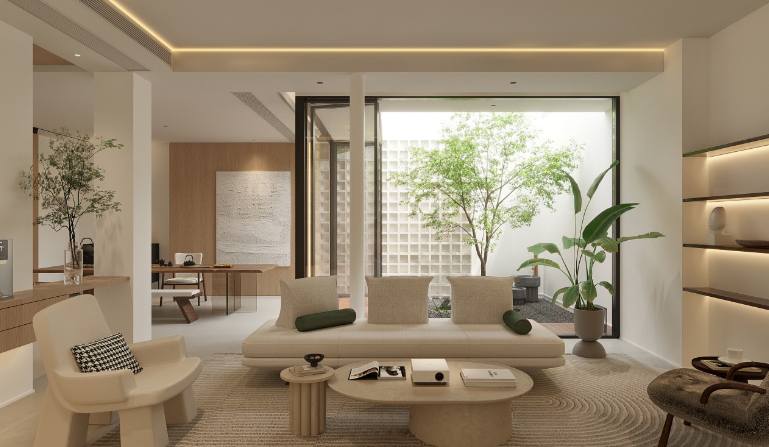
There is a particular kind of beautiful room that looks incredible in a photograph and becomes irritating about five minutes after you sit down in it. The sofa is too stiff. The lighting is too bright. There is nowhere to put a drink. Every surface feels too precious to touch.
In 2026, that version of “perfect” is beginning to lose some of its appeal.
The more interesting direction in home design is toward spaces that do something for the people who live in them. Bedrooms are being designed around better sleep. Bathrooms are becoming calmer and more comfortable. Living rooms are loosening up. Lighting is getting softer and smarter. Even details we rarely photograph, from indoor air quality to acoustics, are becoming part of the conversation.
These wellness home design trends for 2026 are not about turning the house into a spa or buying a collection of so-called wellness products. They are about creating a home that looks good but, just as importantly, feels good on an ordinary day.
And this shift goes beyond decorating predictions. In Fixr’s 2026 survey of 86 interior design professionals, 56% identified wellness design as a leading emerging interior trend, ahead of personalization, architectural details, and color drenching.
The New Luxury Is a Home That Doesn’t Wear You Out
For years, wellness design was easy to recognize. There was the meditation room, the enormous soaking tub, the dedicated home gym, perhaps even a sauna if the budget allowed. Those features haven’t disappeared, but the idea of wellness at home is becoming far less obvious and considerably more useful.
Sometimes wellness is simply not being assaulted by six bright recessed lights when you walk into the kitchen at 9 p.m. It is having somewhere comfortable to read. It is opening a cabinet and finding what you need instead of moving twelve things first. It is a bedroom that gets properly dark and a living room where the best-looking chair is also the one everyone wants to sit in.
That is what makes this shift interesting. You don’t necessarily need more square footage or a major renovation. You need to pay attention to the small irritations your home creates every day.
Start there.
Bathrooms Are Getting the Resort Treatment Without the Gimmicks
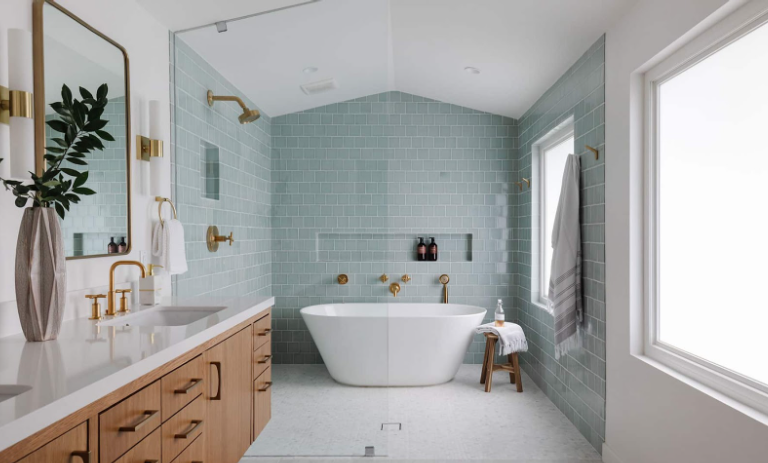
The spa bathroom isn’t going anywhere, but it is growing up.
Instead of trying to recreate a five-star resort with a dozen decorative touches, the better bathrooms of 2026 focus on what actually makes mornings and evenings more pleasant. Think warm light instead of a glaring overhead fixture, towels within reach, uncluttered countertops, good ventilation, a shower you want to linger in, and storage that hides the less glamorous realities of getting ready.
Natural materials help. Wood vanities, stone, warm tile, cotton, and linen can take the hard edge off a room filled with glass, mirrors, and plumbing fixtures. A beautiful bathroom should still be practical enough to survive toothpaste, wet towels, cosmetics, and rushed weekday mornings.
Comfort can also be surprisingly simple. A handheld showerhead, a bench, a well-positioned niche, or a mirror with flattering light may improve daily life more than an extravagant feature that rarely gets used.
And you don’t need an enormous primary bathroom to do it. In a small bathroom, clearing visual clutter, improving storage, and fixing poor lighting can change the entire mood of the room.
The Bedroom Is Finally Being Treated Like a Place to Sleep
Bedrooms have spent years accumulating jobs. They became offices, television rooms, scrolling stations, exercise spaces, and sometimes dumping grounds for whatever didn’t have a home elsewhere.
Wellness-driven design is pushing the bedroom back toward its original purpose: sleep.
That doesn’t mean the room has to be beige, empty, or aggressively serene. It means making choices that help the room settle down at night. Softer lighting, breathable bedding, comfortable temperatures, less visual clutter, and window treatments that actually block unwanted light can make a bigger difference than another decorative pillow.
Layered window treatments are especially useful. A sheer can soften daylight and provide daytime privacy, while a blackout shade or lined drapery can take over at night. The room changes with you instead of being permanently bright or permanently dark.
Technology deserves some boundaries here too. If a bedroom is glowing with charging lights, televisions, phones, and assorted electronics, no amount of calming paint is going to make it feel particularly restful.
The goal isn’t to make your bedroom look like a hotel. It is to create the room you are relieved to walk into at the end of the day.
Good Lighting Should Know What Time It Is
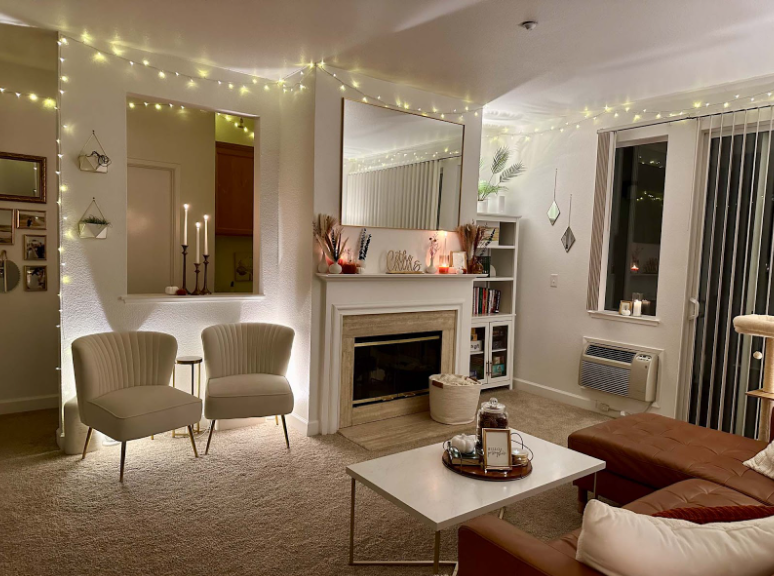
One of the easiest ways to make a beautiful room unpleasant is bad lighting.
You can have gorgeous furniture, expensive finishes, and carefully chosen colors, then flatten everything under one harsh ceiling fixture. Conversely, an ordinary room can become remarkably inviting when the lighting is right.
In 2026, the emphasis is moving toward flexibility. A kitchen needs enough light to safely chop vegetables, but it doesn’t need to feel like an operating room while you’re having a glass of wine after dinner. A living room may need daylight in the afternoon, a reading lamp in the evening, and soft ambient light when friends are over.
Natural light needs managing too. More sunlight isn’t automatically better. West-facing rooms can become glaring and hot in the afternoon, while a badly positioned desk can turn a lovely window into hours of screen reflection.
Sheers, solar shades, adjustable blinds, and layered treatments let homeowners use daylight rather than simply endure it. At night, lamps, sconces, under-cabinet lights, and dimmable fixtures can take over without flooding every corner of the house.
The best lighting is rarely the light you notice first. It is the light that makes everything else in the room look and feel better.
Comfort Is Making a Comeback in the Living Room
The showroom living room is losing its grip. You know the type: a sculptural chair nobody wants to sit in, a tiny coffee table that can’t hold two drinks, and a pale sofa everyone is afraid to touch.
In 2026, comfort is getting its revenge.
Sofas are deeper. Chairs are meant to be occupied. Rugs feel good underfoot. Side tables are close enough to actually use. Throws aren’t arranged so perfectly that nobody dares move them. The room still looks considered, but it doesn’t feel staged for an open house.
Layout matters just as much as furniture. Before buying something new, look at how people behave in the room you already have. Where does everyone naturally sit? Can two people have a conversation without shouting across the space? Is there a place to set down a coffee cup? Are you constantly walking around a piece of furniture that shouldn’t be there?
Sometimes the smartest design purchase is no purchase at all. Moving a sofa, removing an unnecessary chair, or changing the orientation of a rug can suddenly make a room work.
That same thinking is useful when trying to create more space in your home without adding square footage. A home often feels larger when its existing space simply works harder.
A Healthier Home Includes the Things You Can’t See
Some of the most important elements of wellness design will never make it onto an inspiration board.
Take air quality. You can’t style it for a photograph, but you certainly notice a room that feels stuffy, damp, smoky, or poorly ventilated. The U.S. Environmental Protection Agency notes that concentrations of some pollutants can be higher indoors than outdoors. Ventilation and reducing pollutant sources are therefore important considerations when thinking about the indoor environment.
That puts decidedly unglamorous things such as working exhaust fans, HVAC maintenance, ventilation, and material choices firmly within the design conversation. During a renovation, it is also worth comparing paints, adhesives, cabinetry, flooring, and other products for emissions rather than selecting them on appearance alone.
Then there is sound.
Open-plan houses filled with glass, hard flooring, tall ceilings, and minimal furnishings can be beautiful and surprisingly noisy. Rugs, curtains, upholstered furniture, fabric shades, bookshelves, and other softer surfaces can help absorb some of that sound. During larger renovations, insulation and solid-core doors can provide more separation between active and quiet areas.
A wellness-driven home doesn’t need to be silent. It just shouldn’t make you hear every television, conversation, and kitchen cabinet from the other side of the house.
Natural Materials Feel Better When They Aren’t Trying Too Hard
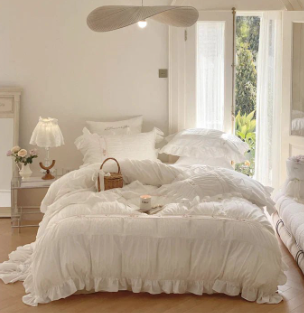
Natural materials remain a major part of wellness-oriented interiors, but there is a difference between a room inspired by nature and one that looks as though an entire forest was delivered on Tuesday.
Wood, stone, linen, wool, clay, and woven fibers work because they introduce variation and texture. Wood grain isn’t perfectly uniform. Linen wrinkles. Stone changes from one section to another. Handmade ceramics have small irregularities. Those qualities can make a room feel warmer and less manufactured.
They also don’t have to take over.
A sleek kitchen can gain warmth from wood stools and a woven pendant. A modern bedroom can soften with linen bedding and a wool rug. A bathroom can pair practical tile with a wood vanity and thick cotton towels.
This is also where real life has to win over a trend. A household with children, pets, frequent guests, or little patience for maintenance should choose materials accordingly. There is nothing particularly restorative about owning a beautiful sofa you’re constantly worried someone will stain.
You Don’t Need a Wellness Room
Perhaps the most useful wellness trend for 2026 is also one of the simplest: stop assuming every activity requires its own room.
You don’t need a meditation room to have ten quiet minutes. You don’t need a library to make a good reading spot. You don’t need a home gym to leave enough floor space for stretching.
A chair beside a window can become the place where you drink coffee before everyone else wakes up. An unused corner of a bedroom can hold a small table, lamp, and favorite books. A patch of floor that isn’t filled with furniture can become useful simply because it was allowed to remain empty.
These small zones can be especially valuable in homes that have to do several jobs at once. The trick is giving the area a clear purpose rather than allowing it to become another place where things accumulate.
The same rule applies to smart-home technology. Automated shades, lighting controls, thermostats, and air-quality monitors can be useful when they quietly remove annoyances from the day. If the “smart” solution requires another app, three passwords, constant notifications, and a tutorial every time a guest visits, it may be solving the wrong problem.
The Best Wellness Upgrade May Already Be Obvious
Before buying anything for a wellness-focused home, spend a few days noticing what annoys you.
Maybe the bedroom gets too bright at 6 a.m. Maybe the living room is beautiful but nobody sits there. Perhaps the kitchen counter is permanently covered because the things you use every day don’t have sensible storage. Maybe one room echoes, another is always too hot, or your favorite place to read doesn’t have a decent lamp.
Those small frustrations are useful information. They tell you where design can actually improve your life.
That is what makes the wellness home design trends of 2026 more interesting than another annual list of colors and furniture styles. The shift isn’t toward a particular look. It is toward paying closer attention to the experience of being at home.
A beautiful room still matters. But the better question is what happens after the photograph is taken.
Can you put your feet up? Can you sleep? Can you find what you need? Can you hear yourself think? Can you have friends over without worrying about every surface?
If the answer is yes, the house is doing far more than looking good. It is doing its job.