


The stretch between the holidays and the start of a new year has its own rhythm. Schedules loosen, people linger a little longer, and a casual invitation to come over can feel more appealing than another elaborate night out. It is also an ideal time to entertain at home without turning the occasion into a full-scale production.
The most inviting gatherings are rarely the ones with the most decorations, complicated menus, or perfectly coordinated place settings. They are the ones where guests know where to put their coat, can easily find a drink, have a comfortable place to sit, and sense that the host is enjoying the evening too.
A few thoughtful changes can make entertaining at home feel polished while keeping the work comfortably manageable.
Prepare the Spaces Guests Will Actually Use
There is no need to make every room in the house party-ready. Concentrate on the areas guests are most likely to see: the entry, living room, kitchen or dining area, and guest bathroom.
Start by removing everyday clutter rather than attempting a major cleaning project. Clear kitchen counters of appliances and paperwork, make room on a console for handbags or keys, and give coats an obvious destination. In the bathroom, fresh hand towels, soap, an empty wastebasket, and adequate supplies matter more than decorative flourishes.
Think about how people will move through the house as well. Guests should be able to reach the drinks, food, seating, and bathroom without navigating an obstacle course of extra furniture.
Let Lighting Do More of the Decorating
Lighting can change a familiar room faster than almost anything else. Bright overhead fixtures are useful while preparing for guests but can make an evening gathering feel surprisingly clinical.
Instead, create several softer pools of light using table lamps, floor lamps, sconces, and dimmable fixtures. Candles can add warmth to dining tables and coffee tables, provided they are placed safely away from greenery, fabrics, children, and busy serving areas.
You do not need an elaborate seasonal display. A few branches in a vase, greenery on a mantel, a bowl of citrus, or flowers in one rich winter color can provide enough visual interest. Good entertaining decor should enhance the room rather than compete with the people in it.
Arrange Furniture for Conversation
A beautiful living room does not automatically make a good entertaining space. Furniture arranged primarily around a television, for example, may leave guests sitting in a straight line rather than facing one another.
Before everyone arrives, look at the room from a conversational point of view. Angle chairs slightly toward the sofa, pull occasional seating closer to the group, and bring in an ottoman or lightweight chair if additional seating is needed.
Do not worry about giving every person a traditional dining chair. Mixing sofas, armchairs, benches, and stools often creates a more relaxed atmosphere.
Small tables are equally useful. Guests appreciate having somewhere within reach to place a glass or small plate rather than balancing everything on their lap.
Keep the Table Attractive but Approachable
A memorable table does not require formal china or an elaborate centerpiece. In fact, an overly decorated table can leave surprisingly little room for the food.
Begin with what you already own. Neutral dinnerware, cloth napkins, attractive serving bowls, and simple glassware can look sophisticated when combined thoughtfully. Layering a runner or placemats over a bare wood table creates texture without making the setting overly formal.
For a centerpiece, keep arrangements low enough that guests can comfortably see one another across the table. Seasonal greenery, small bud vases, fruit, and clusters of candles are simple options.
There is also no rule that every gathering needs assigned seating. For a relaxed New Year season dinner, allowing people to choose their own place can immediately make the evening feel less structured.
Create a Self-Serve Drink Station
One of the easiest ways to avoid spending the evening playing bartender is to establish a dedicated beverage area before guests arrive.
Place glasses, ice, napkins, openers, and garnishes together so people do not need to ask where everything is. Wine and a simple signature cocktail can share the space with sparkling water and a thoughtful nonalcoholic option.
A pitcher of citrus water, flavored sparkling water, or a batch-style zero-proof drink gives non-drinkers something that feels intentionally included rather than like an afterthought.
Keep the beverage station away from the primary food-preparation area when possible. It prevents guests looking for a refill from congregating exactly where you are trying to finish dinner.
Choose Food That Does Not Hold the Host Hostage
The best entertaining menu may be the one that requires the least attention once the doorbell starts ringing.
Choose dishes that can be prepared in advance, held easily, or finished with only a few last-minute steps. Braised meats, baked pasta, roasted vegetables, soups, substantial salads, grazing boards, and make-ahead desserts all work well during the cooler New Year season.
There is no prize for serving seven complicated courses. One excellent main dish with two complementary sides often feels more generous than a sprawling menu that keeps the host in the kitchen.
For buffet-style entertaining, food safety deserves a little planning too. The USDA recommends keeping hot foods hot, cold foods cold, and not leaving perishable foods at room temperature for more than two hours. Smaller serving dishes that can be replenished from the refrigerator or kitchen are often easier—and safer—than putting everything out at once.
Make Comfort Part of the Plan
Guests notice temperature, seating, and noise even when they never mention them.
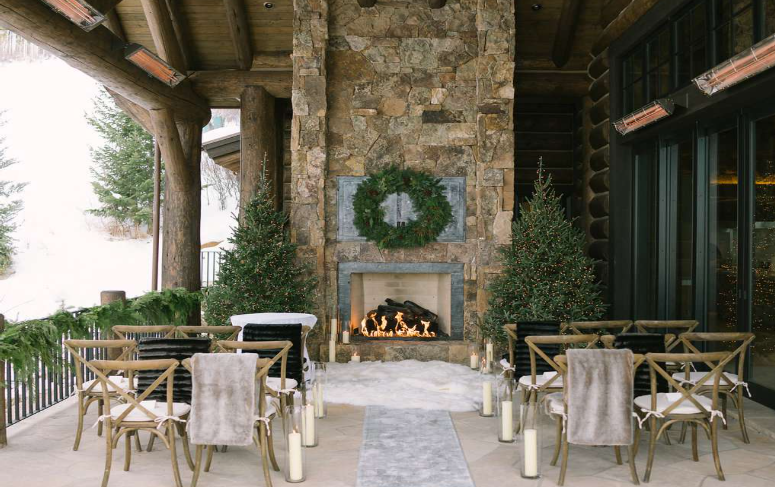
In winter, keep a few throws accessible and check the room temperature before people arrive. If an outdoor patio will be part of the gathering, have heaters, blankets, or another indoor option ready rather than expecting guests to tolerate the cold.
Music should create background energy without forcing everyone to compete with it. Begin slightly quieter than you think is necessary; a room full of conversation will naturally raise the volume.
Comfort also means giving people permission to relax. Not every minute needs an activity, announcement, or carefully timed transition.
Add One Personal Detail
Personal touches are most effective when they feel genuine rather than elaborate.
Serve a dessert connected to a family tradition. Put out an old photograph that sparks conversation. Send guests home with a few homemade cookies. Make a brief toast to something worth carrying into the new year.
One memorable detail usually has more emotional impact than a dozen decorative ones.
The same principle applies to the home itself. Let it look lived in. Guests are coming to spend time with you, not to inspect whether every pillow is perfectly positioned.
Finish Preparing Before the Party Begins
Perhaps the most useful entertaining rule is also the hardest one: at some point, stop preparing.
Set yourself a cutoff time before the first guest arrives. Put away the cleaning supplies, lower the lights, turn on the music, pour yourself something to drink, and accept that whatever has not been completed probably was not essential.
A relaxed host changes the atmosphere of an entire room. When guests see you sitting down, eating, laughing, and participating in the evening, they are more likely to do the same.
Effortless entertaining is not really about creating an effortless home. It is about making smart decisions before guests arrive so that once they do, the house can simply do what a good home does best: give people a comfortable place to gather, eat, talk, and stay awhile.