


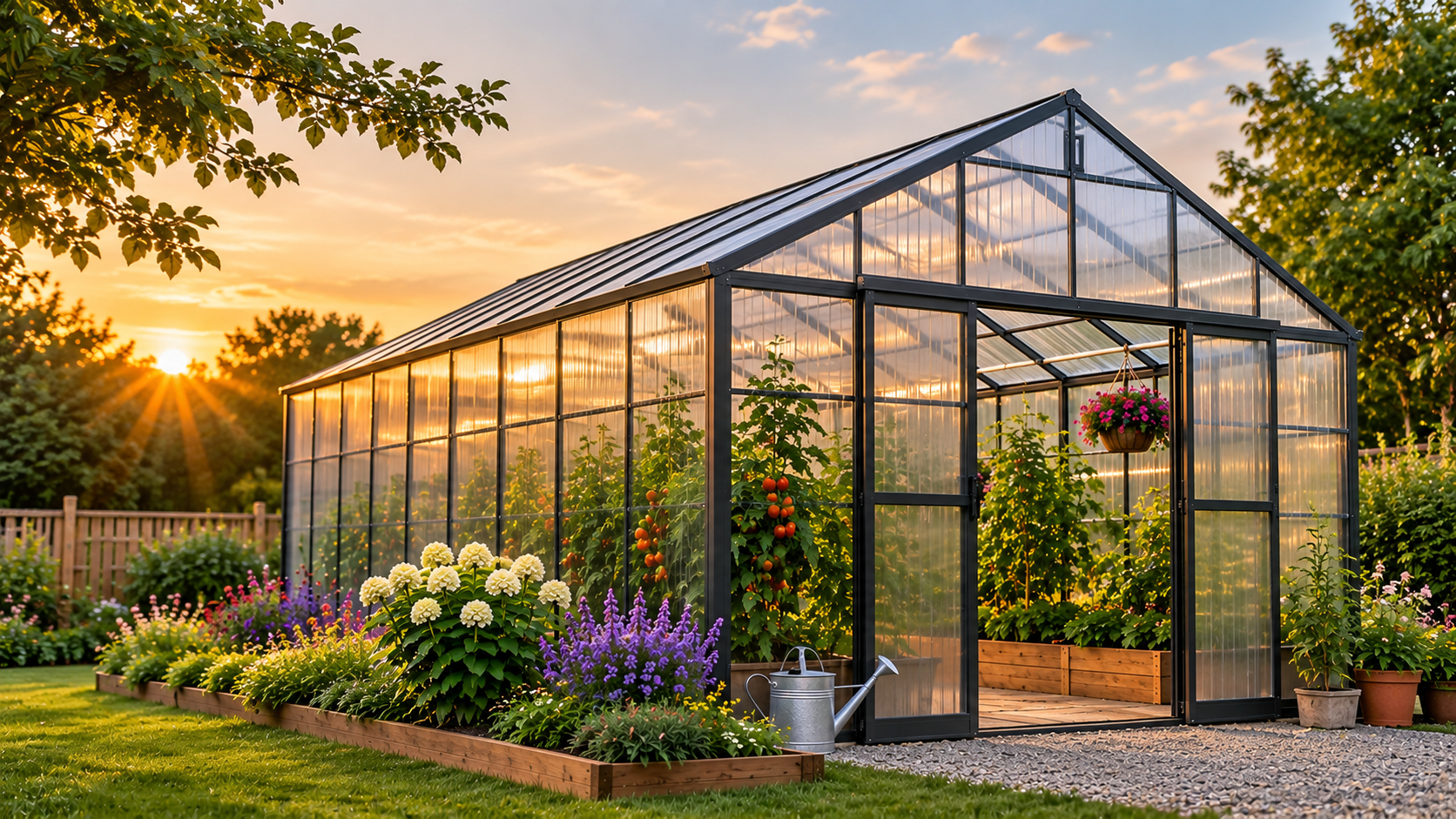
A thriving greenhouse can transform an ordinary backyard into a productive garden filled with fresh vegetables, fragrant herbs, colorful flowers, and plants that might otherwise struggle in the local climate. It also offers a rewarding way to enjoy gardening beyond the traditional growing season. However, before choosing plants or arranging seed trays, there is one important decision to make. What type of structure will provide the right environment for your garden?
Metal-framed greenhouses have become a practical option for homeowners and gardening enthusiasts because they offer structural strength, design flexibility, and relatively straightforward installation. When paired with suitable glazing, ventilation, and insulation, a steel frame can create a dependable growing space that serves gardeners for years. From compact backyard retreats to larger growing facilities, metal-framed greenhouses offer several advantages worth considering.
1. A Strong and Reliable Structure
A greenhouse must withstand changing weather while protecting the plants inside. Wind, rain, snow, and fluctuating temperatures can put considerable pressure on a poorly designed structure. Metal framing offers the strength needed to support a greenhouse while providing a stable framework for its walls and roof.
Steel is particularly useful for projects that require structural reliability and long-term performance. Properly designed steel frames can support glazing panels, doors, ventilation systems, and other essential components.
The strength of the structure still depends on its engineering, foundation, anchoring, and local weather conditions. Choosing a greenhouse designed for the climate in your area is essential. With those details addressed, a metal-framed greenhouse can provide a dependable home for everything from delicate seedlings to mature vegetable plants.
2. Make the Most of Natural Sunlight
Sunlight is one of the most important ingredients in successful greenhouse gardening. Plants use light for photosynthesis, the process that allows them to produce the energy needed for growth. A greenhouse should therefore be designed to admit sufficient daylight without creating excessive heat or uneven growing conditions.
Metal framing can help make this possible because its structural members can be relatively slender compared with some alternatives. Depending on the design, this can leave more room for glazing and reduce unnecessary shade within the growing area.
The frame itself does not determine how much sunlight reaches your plants. Glazing materials, roof orientation, surrounding trees, and seasonal sun angles all influence light levels. Clear polycarbonate panels and horticultural glass are two options worth exploring, depending on your budget, climate, and growing goals.
Thoughtful placement can make an equally significant difference. Position the greenhouse where it receives appropriate sunlight throughout the day while avoiding unnecessary exposure to strong winds.
3. Improve Temperature Control and Energy Efficiency
A greenhouse creates a growing environment by allowing sunlight to enter and helping retain warmth. However, maintaining comfortable temperatures requires more than choosing a particular framing material.
Steel conducts heat readily, which means an uninsulated metal structure can lose heat quickly in cold weather and become uncomfortably hot under intense sunlight. The solution is to consider the entire building system rather than relying on the frame alone.
Suitable glazing, insulated panels where appropriate, well-sealed joints, and effective ventilation all contribute to temperature management. In colder regions, additional heating may be necessary. In warmer climates, roof vents, side openings, shade cloth, and fans can help prevent overheating.
These features can reduce unnecessary energy use and protect plants from sudden temperature changes. Before purchasing a greenhouse kit, consider the temperatures your plants need and how much heating or cooling the structure will require throughout the year.
4. Enjoy Convenient Installation
For homeowners who prefer spending their weekends tending plants rather than managing a lengthy construction project, prefabricated metal greenhouse kits can be appealing.
Many kits include factory-cut components, predrilled connection points, and instructions designed to simplify assembly. This preparation can reduce measuring errors, material waste, and the amount of on-site cutting required. Some systems can also be expanded with compatible components as gardening needs change.
Installation requirements vary considerably between manufacturers and greenhouse sizes. A small backyard structure may be manageable for an experienced do-it-yourself enthusiast, while a larger greenhouse may require professional installation or additional foundation work.
Before ordering, check what the kit includes, whether glazing and ventilation equipment are supplied, and whether local permits are necessary. Preparing the site properly will help ensure the finished greenhouse is stable and ready for planting.
5. Choose Materials That Stand Up to Moisture
Greenhouses naturally contain moisture. Watering, humid air, condensation, and damp growing media can create conditions that challenge certain building materials over time.
Steel frames with appropriate protective coatings can offer good resistance to corrosion. Galvanized steel, which has a zinc coating, is commonly used where protection against rust is important. Painted steel is another option when the coating is suitable for the environment.
Oklahoma State University Extension explains in its guide to greenhouse structures and coverings that steel is commonly used for greenhouse framing but needs to be painted or galvanized to resist the high-moisture conditions found inside greenhouses. The guidance also highlights that steel requires maintenance and additional structural support because of its weight.
This makes material selection particularly important. Scratches in protective coatings, damaged fasteners, and persistent condensation can still cause problems if neglected. Regular inspections and prompt repairs help preserve the structure.
It is also important to remember that metal framing does not automatically prevent mold, mildew, or garden pests. These problems are better managed through proper drainage, air circulation, clean growing surfaces, and sensible watering practices.
6. Balance Upfront Costs With Long-Term Value
The initial price of a greenhouse is only one part of its overall cost. Foundations, glazing, doors, ventilation, heating equipment, installation, and ongoing maintenance can all influence the final investment.
Metal-framed greenhouses may offer long-term value because properly protected steel frames can remain serviceable for many years. Prefabricated components can also help reduce construction time and labor requirements. Nevertheless, actual savings depend on the design, materials, site conditions, and installation method.
Compare complete project estimates rather than choosing a greenhouse based on the frame price alone. A less expensive structure may require upgrades later, while a well-designed option may better accommodate your gardening plans from the beginning.
For homeowners who intend to grow vegetables, propagate plants, or maintain a collection of ornamental varieties for years, durability and ease of maintenance deserve as much attention as the initial purchase price.
7. Customize the Greenhouse to Suit Your Garden
One of the most appealing features of metal construction is its adaptability. Greenhouses can be designed in different sizes and configurations to accommodate available space, gardening habits, and future plans.
A compact structure may provide enough room for seed starting, herbs, and a few seasonal vegetables. A larger greenhouse can accommodate raised beds, potting benches, storage shelves, and dedicated propagation areas.
Modular designs may also make future expansion easier, provided the original structure and its foundation can accommodate the changes. Before selecting a layout, think about how you will move between planting areas, store supplies, and access watering equipment.
A well-planned greenhouse should support your routine rather than simply maximize growing space. Comfortable pathways, convenient work surfaces, and adequate ventilation can make everyday gardening far more enjoyable.
The Your Home Design Center Take
A greenhouse is more than a place to keep plants. It can become a peaceful backyard retreat, a source of homegrown produce, and a practical extension of your outdoor living space.
Metal-framed greenhouses offer a compelling combination of structural strength, adaptable design, and convenient construction. Their success, however, depends on thoughtful planning and the right combination of framing, glazing, ventilation, and climate protection.
Before investing, evaluate your local weather, growing goals, available space, and total project budget. Choose materials that suit your conditions and a design that makes everyday gardening easier.
If you are still exploring the best way to introduce more greenery into your property, Your Home Design Center’s guide to 12 Types of Gardening and How to Choose the Right One offers additional inspiration. It explores different approaches to growing plants, from container and raised-bed gardening to vegetable and herb gardens.
With the right planning, a metal-framed greenhouse can become a durable and rewarding addition to your backyard, giving you more opportunities to cultivate plants and enjoy gardening throughout the year.

I was captivated when you shared that the securest establishment to keep and grow your plants is the metal greenhouse. That’s probably why my father is opting for a metal building on his farm. He is even looking for a contractor that can help him build the metal greenhouse that he desires.
It’s interesting to know that metal buildings can be a safe place for plants to be stored or grow in since the material is a durable material. With that in mind, metal barns would also be a good option if farmers would need a place to store their harvested crops or even for their domestic animals. They will be rest assured that it will stand strong for a long time to protect their investments while waiting for the right time to deliver their products to their clients.
I found it interesting when you shared that it is great to choose a metal building for your greenhouse as it can increase plant growth and profit during the seasons. Besides, it has exceptional resistance to the hard conditions of the weather. I would like to think if someone wants to build a greenhouse, he should hire a reliable service that can build it from metal.
I like that you talked about how metal buildings would be safer and stronger because they can withstand extreme pressure and resist rust. With that in mind, my mom should look for metal building sales for her backyard if she wanted to have a small greenhouse there. It would definitely be a good investment for her to finally grow herbs and vegetables she wanted for her vegan lifestyle.
Thank you for explaining why steel is a popular building material. I’ve been thinking about using it for my greenhouse. It seems like it could be one of my best options.
Perhaps one of the prime benefits of owning a metal greenhouse in your garden is the superior protection it can provide your fruits, vegetables, and other plants. Plus, steel frames are heavy, which helps the overall structure remain stable, especially in windy conditions.
My brother is wanting to construct a greenhouse so that he can grow seasonal crops. I like how you mentioned that a metal greenhouse can provide the safest environment for crops. It seems like my brother should contact a general contractor so that he can get the metal materials he will need.
Thanks for explaining how metal buildings are known for their overall durability. I have a colleague who wants to invest in a new home this year and build a farm around it. I should talk to him about the perks of metal buildings and how they can help store most of his tools!