


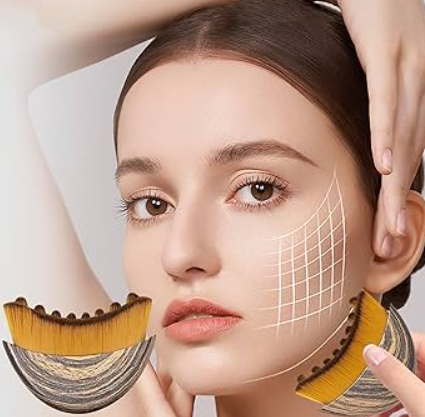
Morning puffiness has a frustrating habit of appearing on exactly the days when you would prefer your face to look especially awake. Lack of sleep, salty meals, travel, allergies and ordinary fluid retention can all leave the area under the eyes, cheeks or jaw looking temporarily fuller.
That has helped turn facial lymphatic massage into one of the more persistent at-home beauty trends. Brushes, stone rollers, gua sha tools and massage tutorials all promise a more defined-looking face, but the reality is more nuanced than many beauty claims suggest.
Facial lymphatic massage can be a useful part of a skincare routine, particularly for temporarily reducing puffiness and creating a refreshed appearance. It is not, however, a substitute for medical treatment, nor does it permanently reshape the face.
What Facial Lymphatic Drainage Actually Means
The lymphatic system is part of the body’s circulatory and immune systems. Lymph fluid moves through a network of vessels and lymph nodes that help maintain fluid balance in the tissues.
Manual lymphatic drainage uses very light pressure and specific movements intended to encourage fluid movement. Unlike deep-tissue massage, more pressure is not necessarily better.
Cleveland Clinic notes that gentle facial lymphatic drainage may help decrease congestion and facial puffiness. Medical lymphatic drainage is also used in specific situations involving swelling and lymphedema, although those conditions should be managed with professional guidance.
For everyday beauty routines, the most realistic expectation is considerably simpler: a face that may look somewhat less puffy and more refreshed after massage.
Why the Face Can Look Puffy in the First Place
Facial puffiness does not automatically indicate a problem with the lymphatic system. Temporary fluid retention is common.
Sleeping flat, eating a high-sodium meal, drinking alcohol, dehydration, seasonal allergies and even a long flight can change how the face looks the following morning. The delicate under-eye area often makes those changes particularly noticeable.
That is also why dramatic before-and-after photographs of facial massage deserve some perspective. Moving temporary fluid can make cheekbones or the jaw appear more defined for a period of time, but that should not be confused with permanently changing facial structure or removing fat.
Hands, Gua Sha, Rollers and Brushes
You do not technically need a beauty device to perform gentle facial massage. Clean hands may be the simplest starting point.
Facial rollers and gua sha tools can make the ritual easier and may provide a cooling, soothing sensation, particularly when kept slightly chilled. Their benefit depends heavily on technique and pressure rather than the material being marketed as magical.
A facial brush offers another approach. The Lymphatic Brush by Cecily Braden, for example, was designed specifically around gentle facial and lymphatic massage techniques. Instead of treating the product as a miracle contouring device, it makes more sense to view it as one option for people who prefer a dedicated manual tool rather than using their fingertips.
The important part is the massage itself. A prettier tool does not change the basic biology.
Not Every Facial Sculpting Device Does the Same Thing
The beauty industry frequently places lymphatic tools, microcurrent devices, LED masks and facial massagers into the same broad “sculpting” category, although they work in very different ways.
Manual massage and lymphatic tools rely primarily on physical movement and gentle pressure. Microcurrent devices, such as the NuFACE FIX MicroWand, use low-level electrical current and are marketed for concerns including temporary under-eye puffiness and the appearance of fine lines.
LED devices use specific wavelengths of light and belong in another category altogether.
Understanding those differences matters because purchasing a high-tech device when what you really want is a relaxing morning depuffing ritual may be unnecessary. Likewise, a stone roller should not be expected to produce the same effects as an electronic facial-toning device.
How to Keep Facial Massage Gentle
Lymphatic massage is not supposed to hurt. The pressure should remain light because lymphatic vessels are located relatively close to the surface.
Start with clean skin and clean hands or tools. A small amount of facial oil or another product that provides slip can prevent unnecessary pulling on the skin.
Movements around the eyes should be particularly gentle. Rather than aggressively scraping upward in pursuit of a sharper jawline, think about slow, controlled motions and a relaxed routine.
Five calm minutes is preferable to attacking your face with a gua sha tool as though it owes you money.
What Facial Lymphatic Massage Cannot Do
This is where many beauty articles lose credibility.
Facial lymphatic massage does not permanently eliminate facial fat, restructure bone, replace a facelift or guarantee long-term facial contouring. Claims that a home brush will “detox” the entire body, improve digestion, increase nutrient absorption or prevent premature aging go far beyond what should reasonably be promised in a skincare article.
The scientific literature surrounding manual lymphatic drainage also has limitations, particularly when broad claims are made outside its established medical uses.
The most defensible beauty benefits remain modest ones: temporary reduction of puffiness, relaxation and an enjoyable skincare ritual.
That may sound less spectacular than a promise to transform your face, but it is considerably more useful.
Pair Massage With a Sensible Skincare Routine
Facial tools work best as additions to good skincare rather than substitutes for it.
Cleansing gently, protecting the skin from UV exposure, maintaining the skin barrier and choosing proven topical ingredients will generally matter more over the long term than owning a drawer filled with facial gadgets.
Ingredients such as vitamin C and retinoids address entirely different skincare concerns, including tone and signs of aging. Readers interested in building a broader routine can also explore our guide to retinol, vitamin C and vitamin E.
The goal is not to choose between skincare and tools. It is to understand what each can realistically contribute.
Know When to Skip It
Facial lymphatic massage is not appropriate for everyone.
Cleveland Clinic advises against lymphatic self-massage in certain circumstances, including active infections and some medical conditions involving blood clots, heart or kidney disease. People being treated for lymphedema or recovering from surgery should speak with their healthcare provider before attempting lymphatic drainage on their own.
Persistent or unexplained facial swelling also deserves medical attention rather than another beauty gadget.
For everyone else, gentle facial massage can be a pleasant addition to an at-home routine. Just keep the expectations realistic. The most successful beauty rituals are often the ones that make you look a little more refreshed without pretending they have rewritten human anatomy.
