


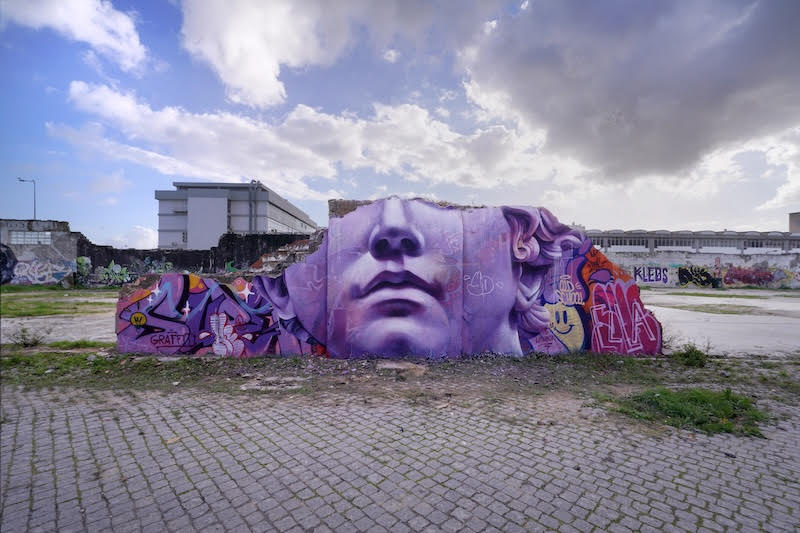
Across the world’s most vibrant cultural capitals, urban walls are no longer merely structural backdrops. They have become immersive canvases where history, creativity, and modern lifestyle intersect. Few artists embody this transformation more elegantly than PichiAvo, the internationally acclaimed artistic duo from Valencia whose work merges the timeless beauty of classical sculpture with the expressive energy of graffiti.
Their monumental murals and gallery installations bring mythological figures into contemporary spaces, transforming city walls into open-air galleries that rival the visual drama of museum halls. In doing so, PichiAvo have redefined what urban art can represent—not just rebellion or commentary, but also sophistication, heritage, and visual storytelling that resonates with collectors, designers, and cultural tastemakers.
For readers who appreciate refined architecture, curated interiors, and cultural travel, their work illustrates how public art increasingly shapes the aesthetic identity of modern cities.
To explore the duo’s international portfolio and studio projects, visit their official website
PichiAvo and the Rise of Classical Urban Art
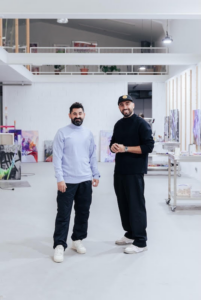
The global rise of urban art has elevated graffiti from underground expression to an influential cultural movement embraced by galleries, luxury developments, and international art fairs.
Artists like PichiAvo have played a pivotal role in this transformation. Their murals frequently depict mythological figures inspired by Greco-Roman sculpture layered with expressive graffiti textures, energetic lettering, and bursts of color.
The result is visually captivating. Marble-like deities appear to emerge from vibrant urban surfaces, as though fragments of ancient temples have been rediscovered within the rhythm of contemporary city life.
This aesthetic dialogue between antiquity and modernity reflects a broader evolution within the art world. International institutions and collectors increasingly recognize the cultural significance of street art, a movement propelled into the global spotlight by influential figures such as Banksy.
The growing cultural fascination with street art has also led to large exhibitions and immersive experiences worldwide, as explored in Fine Homes & Living’s coverage of The Art of Banksy Arrives in San Diego With a Global Cultural Moment.
Yet PichiAvo’s approach stands apart. Rather than rejecting the past, they celebrate it. Their work creates a seamless conversation between classical heritage and contemporary expression—an artistic philosophy that resonates with collectors and design enthusiasts seeking authenticity and narrative depth.
Lefkos Technique Reveals Hidden Dimensions
Among the duo’s most compelling innovations is their Lefkos technique, an artistic method that transforms perception itself into part of the viewing experience.
At first glance, Lefkos artworks present sculptural figures rendered in elegant grayscale tones. A subtle white glaze accentuates contours and shadows, giving the impression that marble statues are emerging from the surface of the wall.
However, the artwork holds a secret.
When illuminated with ultraviolet light, an entirely new composition appears. Hidden layers created with UV ink reveal structural lines, alternative sketches, and concealed imagery beneath the visible surface.
The concept mirrors investigative techniques used in museum conservation, where specialists employ X-ray imaging to uncover earlier stages of a masterpiece. Major institutions such as The Metropolitan Museum of Art frequently use these technologies to study classical works and understand the evolution of historical paintings.
By adapting this idea into contemporary urban art, PichiAvo introduce a sophisticated interplay between visibility and mystery.
The viewer becomes part of the discovery process, experiencing the artwork as something that evolves through light and perception.
Diaspasis Explores the Beauty of Fragmentation
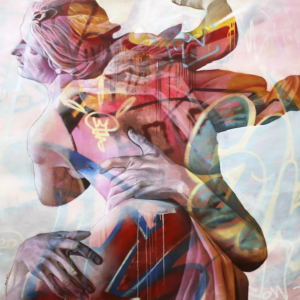
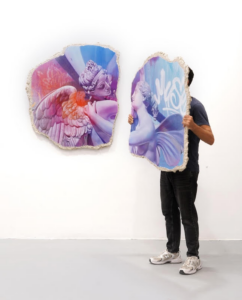
PichiAvo’s Diaspasis series introduces another conceptual dimension, shifting the focus from hidden layers to fragmentation and historical memory.
In this body of work, the artists paint classical compositions onto drywall panels before intentionally breaking portions of the surface. The fragments isolate details—a hand, an eye, or a partial face—from the original figure.
These pieces evoke the haunting beauty of ancient sculptures encountered in museums and archaeological sites. Many of history’s most celebrated statues survive only in fragments, their missing limbs and weathered surfaces adding to their mystique.
Diaspasis draws inspiration from this phenomenon while posing deeper questions about cultural ownership and the movement of heritage objects across time.
Each fragment becomes a symbolic artifact—an object that simultaneously reflects the past and challenges contemporary ideas about preservation, authenticity, and artistic value.
For collectors and interior designers, these works also introduce a striking visual presence. Fragmented classical forms layered with graffiti aesthetics create pieces that feel equally at home in avant-garde galleries, luxury residences, and curated hospitality spaces.
Chromata Celebrates Color, Light, and Energy
PichiAvo’s most recent artistic evolution, Chromata, expands their visual language through an expressive exploration of color and light.
In these works, grayscale sculptural imagery contrasts dramatically with vivid bursts of color revealed through carefully layered paint. Rather than simply applying pigment, the artists strategically remove layers to expose luminous tones beneath the surface.
The technique creates a sense of movement and vitality.
Classical figures appear to glow against vibrant graffiti textures, merging the refined elegance of ancient sculpture with the dynamic energy of contemporary urban culture.
Chromata reflects the duo’s commitment to continual experimentation. It demonstrates how urban art can remain rooted in historical inspiration while evolving through new materials, techniques, and visual ideas.
Urban Art Is Redefining the Modern City Experience
Today, urban art has become an essential element of the modern city experience.
Large-scale murals transform neighborhoods into cultural destinations, attracting travelers, collectors, and creative professionals eager to experience cities through art. Entire districts now celebrate mural culture, where architectural spaces double as immersive galleries.
Events such as the Artivál Street Festival in El Cajon highlight how communities are embracing public art to energize cultural districts and inspire new creative conversations.
Urban art is also influencing residential design trends. Designers are increasingly incorporating murals and artistic wall installations into outdoor living spaces, an idea explored in Fine Homes & Living’s feature on creative wall décor ideas for transforming outdoor environments.
For readers of Fine Homes & Living, this growing intersection between art, architecture, and lifestyle reflects how creativity continues to shape the environments where we live, travel, and gather.
PichiAvo Show How Art Connects Heritage and Modern Luxury
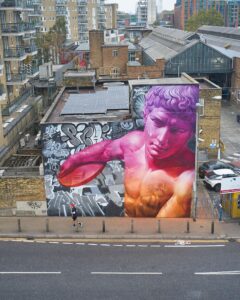
Through their evolving techniques Lefkos, Diaspasis, and Chromata, PichiAvo have created a visual language that bridges centuries of artistic tradition.
Each approach builds upon the previous one. Hidden layers lead to fragmentation, which evolves into luminous color compositions. Together they form a narrative about how history can be rediscovered and reinterpreted through contemporary creativity.
At its core, their work celebrates a powerful idea: the past is not static. Classical mythology, sculpture, and artistic heritage remain alive when visionary artists reinterpret them for modern audiences.
By blending Greco-Roman aesthetics with the expressive energy of graffiti, PichiAvo elevate urban art into a sophisticated cultural experience one that transforms city streets into living galleries and invites viewers to rediscover the timeless dialogue between art, architecture, and modern life.
