



Southern California has never been shy about showing off. It has perfected the art of coastal sunshine, cultivated a world class dining scene, and turned weekend wellness into a regional pastime. Yet one of its most underrated luxuries is also the simplest: a vast network of hiking trails that reveal landscapes capable of resetting even the busiest urban minds. With terrain that ranges from ocean bluffs to alpine forests, Southern California invites both seasoned hikers and curious beginners to step outside and rediscover the region through fresh air and motion rather than highways and headlights.
Torrey Pines Guy Fleming Trail in Southern California 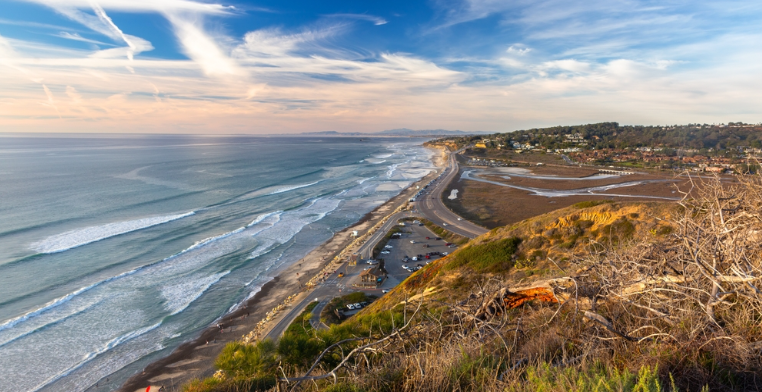
The journey begins along the Pacific, where the Guy Fleming Trail at Torrey Pines quietly introduces newcomers to the idea that hiking does not always have to involve suffering. This short loop traces sandstone cliffs sculpted by wind and waves, framed by the rare Torrey pine that leans toward the sea like a piece of living coastal architecture. Morning light settles softly over the water, while evening turns the cliffs gold. It is the kind of trail that makes people who usually avoid exercise mutter that they could get used to this. There is no drama here, no lung burning climb, just a quiet invitation to appreciate the coastline without having to earn it through exertion.
Solstice Canyon Rising Sun Trail
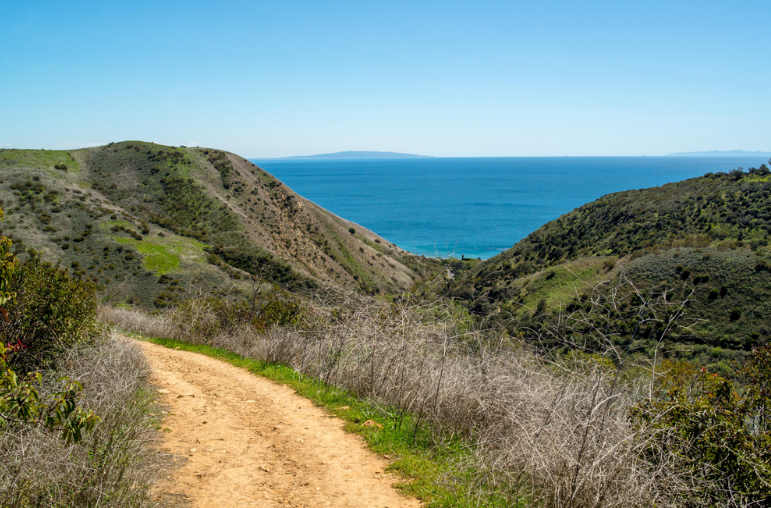 Farther north in Malibu, the Rising Sun Trail in Solstice Canyon offers a different kind of serenity. Beneath steep canyon walls and tall sycamores, the trail follows a stream that has carved its way through the landscape for centuries. Remnants of an old stone estate remain tucked among the greenery, lending a touch of historical intrigue to the otherwise peaceful setting. The canyon holds a coolness that lingers even on warm days, attracting birds, butterflies, and hikers who prefer a more meditative experience. While the rest of Malibu rushes along the coast, Solstice Canyon in Southern California whispers that slowing down is still an option.
Top of the World Laguna Beach
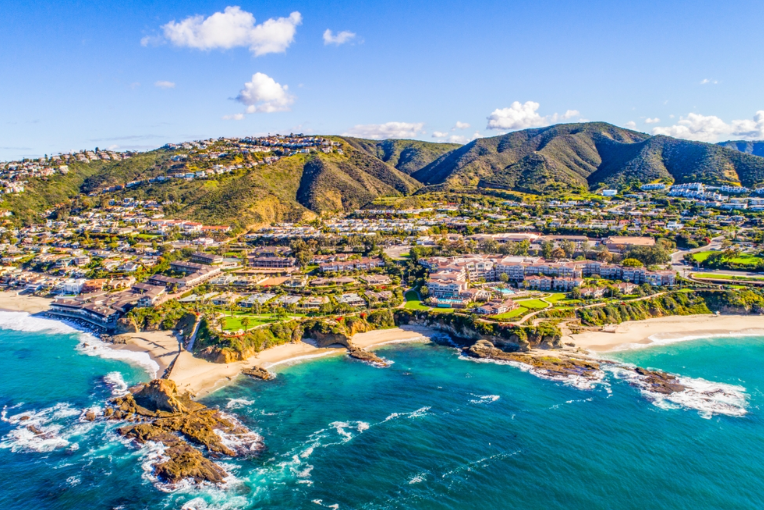 The coastline then gives way to the foothills of Laguna Beach, a town long associated with art, color, and coastal imagination. The Top of the World trail climbs steadily above the community, weaving through sage covered ridges until the Pacific appears in full, uninterrupted panorama. It is not merely a viewpoint; it is a reminder of how geography shapes culture. From above, Laguna’s coves, studio galleries, and surf breaks feel interconnected, and hikers find themselves lingering as if holding onto the moment might make it last longer. It is easy to see why artists once arrived here and decided not to leave.
Bridge to Nowhere San Gabriel Mountains
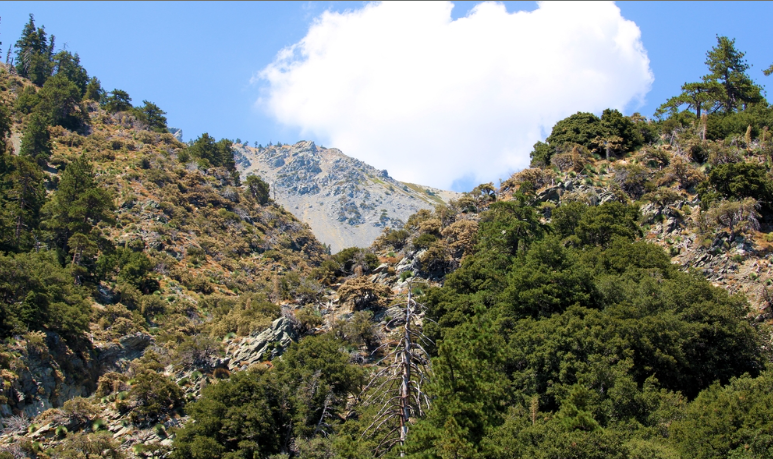 Not all stories unfold so neatly. In the San Gabriel Mountains, the Bridge to Nowhere feels like a plot twist that somehow survived decades of weather and curiosity. Built in the 1930s for a road project that was ultimately scrapped, the bridge stands alone in a deep river canyon, accessible only by trail. Reaching it requires crossing streams, stepping over boulders, and occasionally questioning the decisions of long gone civil engineers. Yet the discovery makes the effort worthwhile. There is something delightful about finding a massive concrete bridge where a bridge has no logical reason to be. It is one of Southern California’s more eccentric treasures, and the mountains seem content to keep it that way.
Southern California’s Iron Mountain Poway
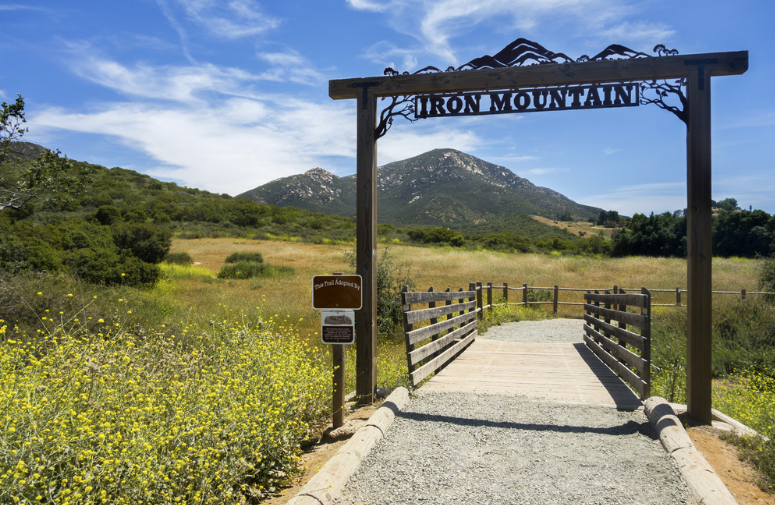 From there, the trail narrative shifts toward the inland hills of Poway. Iron Mountain rises steadily above the valley, offering a well-balanced hike that many San Diego locals consider a weekend classic. Wide, open paths lead through chaparral and granite, and hawks circle in the warm air currents that drift through the hills. The summit delivers wide views toward neighboring peaks and coastal cities, rewarding anyone willing to trade their Saturday morning pillow for a pair of boots. Dogs trot proudly beside their owners, families celebrate at the top, and visiting friends often remark that the effort was easier than expected, which only encourages locals to recommend harder trails next time.
Cucamonga Peak via Icehouse Canyon
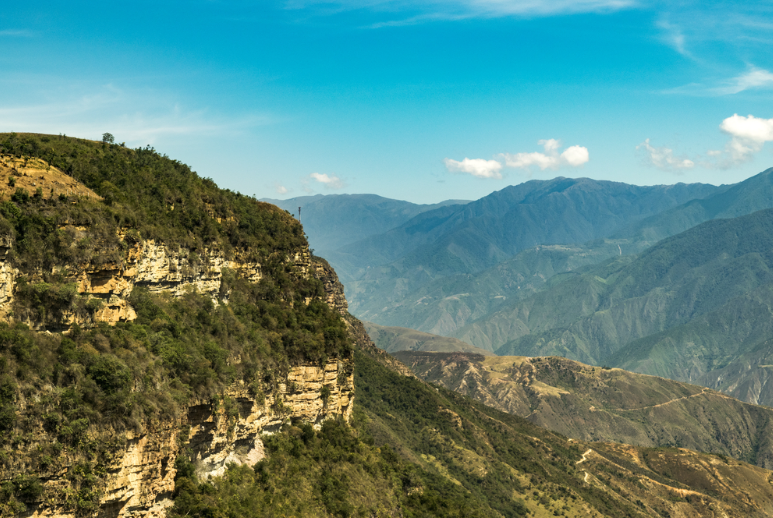 Of course, Southern California would not be Southern California without at least a few challenges designed for those who crave a bit more intensity. Southern California’s Cucamonga Peak via Icehouse Canyon is one such endeavor. The trail begins in a shaded alpine environment, moving past cold streams and pine forests before rising sharply toward the summit. The climb asks for commitment, snacks, and sturdy footwear. The reward arrives in the form of sweeping views of the Inland Empire, an expanse that stretches far enough to remind hikers that elevation changes perspective in more ways than one. It is the type of trail that makes lunch taste better and couches feel luxurious upon return.
Cactus to Clouds Mount San Jacinto in Southern California
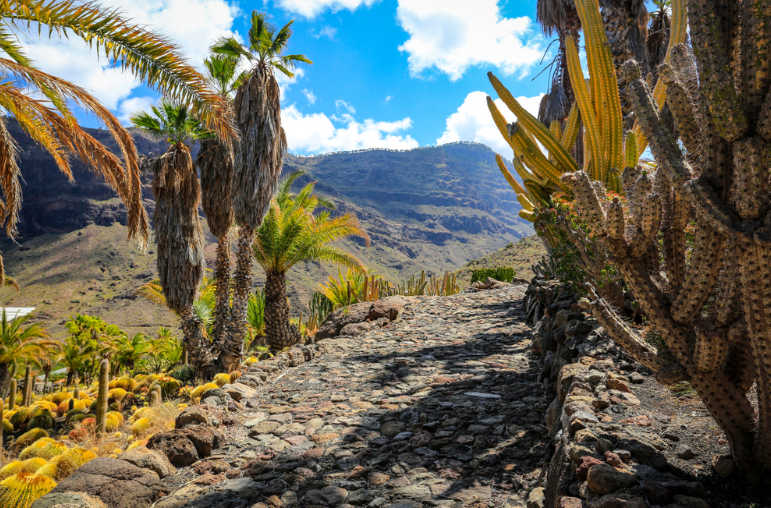 The final ascent in this journey belongs to Cactus to Clouds, a route that begins in the heat of Palm Springs and ends in the cool alpine world near the summit of Mount San Jacinto. Along the way, hikers move through multiple ecosystems as though flipping through chapters in a geology textbook. Desert scrub gives way to thick forest, dry heat yields to crisp mountain air, and by the time the summit is reached, the transformation feels both scientific and poetic. Only experienced hikers should attempt it, but those who do often speak of the trail with a reverence usually reserved for bucket list destinations.
A Closing Reflection on the SoCal Outdoors
In the end, these seven trails illustrate that Southern California is more than beaches and traffic reports. It is a region that rewards curiosity, celebrates contrast, and offers endless opportunities to step away from routine. For some, hiking becomes a form of fitness. For others, it becomes a form of reflection. But for many, it becomes a reminder that the most restorative luxury sometimes costs nothing more than time, water, and an open path beneath the sun.