

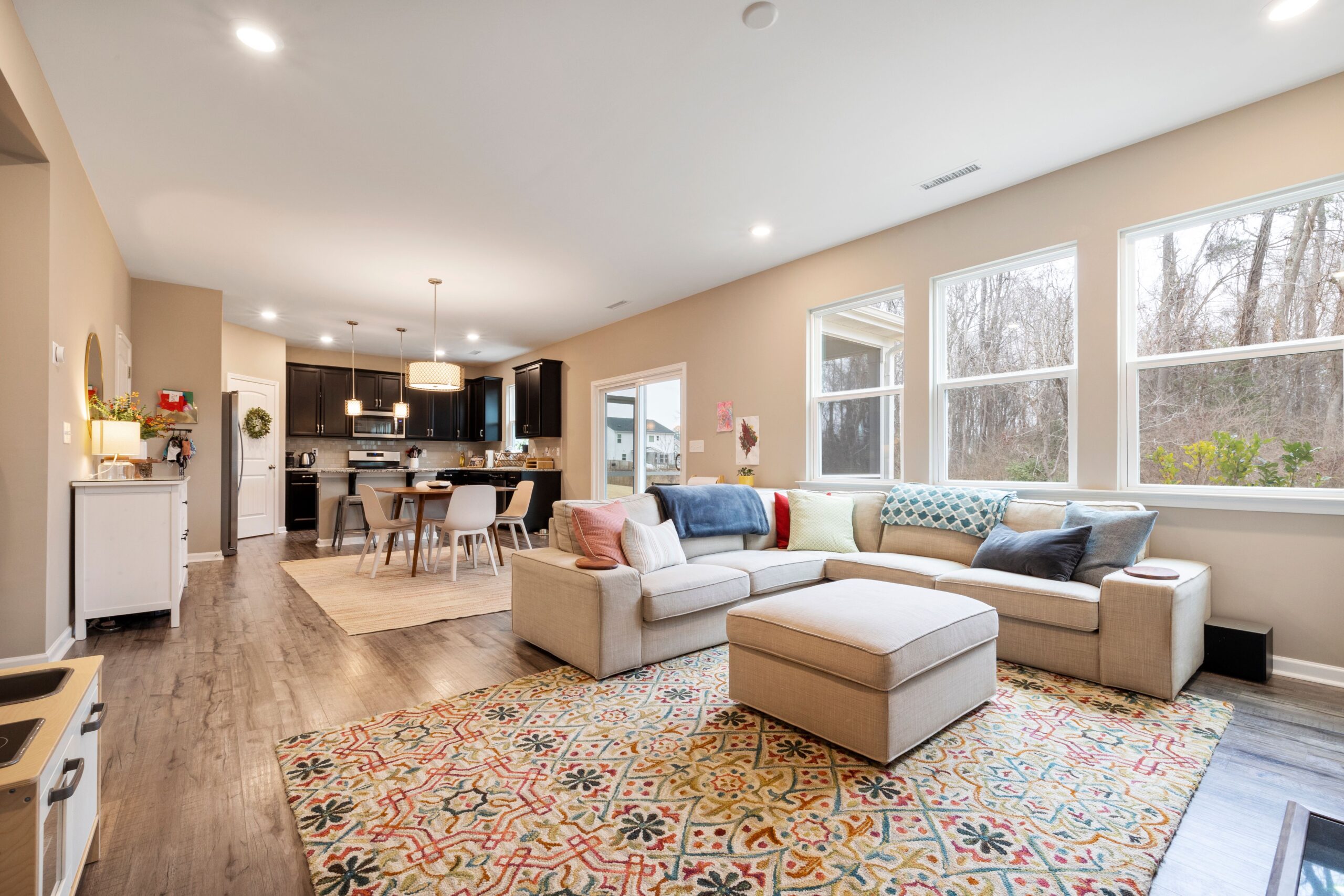
Open floor plans have dominated home design for decades. From modern suburban homes to luxury custom builds, the idea of a large, open living space became a symbol of contemporary living. Homeowners loved the bright interiors, seamless flow, and ability to connect the kitchen, dining room, and living room into one social hub.
But recently, a new question has started appearing in renovation discussions:
Are open floor plans outdated?
Open floor plans are not disappearing entirely. However, many homeowners are rethinking whether completely open spaces truly fit the way people live today. As work-from-home arrangements become more common and families spend more time under one roof, privacy, noise control, and functionality are becoming top priorities.
As a result, walls are making a comeback.
Across the country, homeowners are adding partitions, enclosed offices, flexible rooms, and semi-private spaces to create a better balance between openness and privacy.
Why Open Floor Plans Became So Popular
To understand why homeowners are bringing walls back, it helps to understand why open layouts became popular in the first place.
Before the 1990s, homes were typically divided into multiple rooms. Kitchens were separated from dining rooms, living rooms were enclosed, and each area served a specific purpose.
As lifestyles evolved, people began wanting homes that felt larger, brighter, and more connected. Builders responded by removing walls and creating expansive living spaces.
Open floor plans offered several advantages:
- More natural light throughout the home
- Better sightlines between rooms
- Easier entertaining
- Improved family interaction
- A greater sense of spaciousness
For many years, these benefits aligned perfectly with homeowner preferences. Television design shows, home magazines, and real estate listings further popularized the concept, making open layouts one of the most requested features among buyers.
Why Homeowners Are Bringing Walls Back
The shift away from completely open layouts did not happen overnight.
Several lifestyle changes have gradually revealed some of the challenges associated with open floor plans.
-
Privacy Has Become a Valuable Luxury:
One of the biggest complaints homeowners have about open floor plans is the lack of privacy.
When the kitchen, dining room, and living room are connected without barriers, it becomes difficult for family members to enjoy personal space.
Parents may want a quiet area to work. Teenagers may need a place to study. Children may want space to play without distracting everyone else. In an open layout, every activity happens within the same shared environment.
As a result, many homeowners are choosing to create dedicated rooms that support individual activities while still maintaining a sense of connection throughout the house.
-
Working From Home Changed Everything:
The rise of remote and hybrid work significantly influenced home design trends.
According to data from the U.S. Census Bureau and various workforce studies, millions of Americans now work remotely at least part of the week. This change exposed a major weakness in open floor plans.
Video meetings, phone calls, and focused work require quiet environments. Open spaces often make concentration difficult because noise travels freely between rooms.
Many homeowners discovered that working from a kitchen island or dining table was not a long-term solution.
Instead of tearing down walls, people began adding them. Dedicated home offices, enclosed studies, and flexible workspaces have become highly desirable features in modern homes.
-
Noise Control Is Becoming a Bigger Concern:
One of the most overlooked disadvantages of open floor plans is noise. Without walls to absorb sound, everyday household activities can create constant distractions. Televisions, kitchen appliances, conversations, music, and children’s activities all blend together.
What initially feels energetic and lively can eventually become overwhelming. This is especially true for larger families or multi-generational households. Homeowners increasingly want layouts that allow different activities to happen simultaneously without everyone hearing everything.
Adding walls, sliding doors, or partial room dividers can dramatically improve comfort without sacrificing the overall openness of the home.
Are Open Floor Plans Outdated or Simply Evolving?
Many people searching for home layout trends in 2026 assume that open floor plans are disappearing entirely. That is not what experts are seeing. Instead, open floor plans are evolving. Rather than choosing between completely open or completely closed layouts, homeowners are embracing hybrid designs that combine the strengths of both approaches.
The Rise of the Semi-Open Floor Plan:
Designers are increasingly recommending semi-open layouts. These designs use strategic architectural elements to create separation without making spaces feel cramped.
Examples include:
- Glass partitions
- Pocket doors
- Sliding barn doors
- Half walls
- Built-in shelving dividers
- Decorative screens
These features provide visual boundaries while preserving natural light and spaciousness. The result is a home that feels open when desired and private when needed.
Functionality Is Replacing Trends:
For years, homeowners often chose open layouts because they were fashionable.
Today’s buyers are making decisions based more on functionality.
People are asking practical questions such as:
- What is the best floor plan for work from home?
- How can I create privacy in an open floor plan?
- Should I add walls to an open floor plan?
- What home layout works best for growing families?
The answers vary depending on lifestyle, but one thing remains clear.
Homeowners are prioritizing spaces that support how they actually live rather than following design trends blindly.
Energy Efficiency Is Influencing Home Layout Decisions
Another factor driving interest in closed and semi-closed layouts is energy efficiency. Large open spaces can be harder to heat and cool effectively. When conditioned air moves freely through a massive open area, maintaining consistent temperatures often requires more energy.
Individual rooms allow homeowners to manage temperatures more efficiently and reduce unnecessary heating or cooling. This growing focus on efficiency extends beyond interior spaces.
For example, homeowners investing in outdoor storage solutions such as steel carports are also paying closer attention to how every part of their property contributes to long-term energy savings and functionality.
As utility costs continue to rise, efficient home design is becoming increasingly important.
The Emotional Need for Personal Space
While design discussions often focus on architecture and functionality, there is also a psychological aspect to this trend. Humans naturally seek both connection and privacy.
Open floor plans excel at fostering connection. However, they can sometimes make it difficult to find moments of solitude.
After spending years in highly connected environments, many homeowners are realizing the value of having spaces where they can read, work, relax, or simply enjoy a quiet moment.
This emotional need for personal space is becoming a major influence on modern home remodeling trends.
Why Families Are Leading This Shift:
Families are among the strongest supporters of more structured home layouts.
Parents often appreciate being able to separate work areas from family spaces.
Children benefit from dedicated study environments.
Teenagers gain a greater sense of independence. Meanwhile, common areas can still remain open enough to encourage family interaction. This balance between togetherness and privacy is becoming one of the defining principles of modern home design.
The Advantages of Closed Floor Plans in Modern Homes
The renewed interest in walls is not simply about nostalgia. Homeowners are discovering practical benefits that enclosed spaces can provide in today’s world. While open layouts offer flexibility, closed floor plans often excel in areas that directly impact comfort and daily living.
-
Better Organization and Defined Spaces
One common challenge with open layouts is that every area is visible at all times. A cluttered kitchen can affect the appearance of the entire living space. Children’s toys, work materials, and household items can quickly make an open area feel chaotic.
Defined rooms help contain activities within specific spaces. A home office remains a home office. A dining room remains a dining room. A family room remains a place for relaxation. This structure can make homes feel more organized and easier to manage.
-
Improved Indoor Acoustics
Noise remains one of the biggest reasons homeowners are reconsidering open floor plans. Walls naturally reduce sound transmission and create quieter environments. This becomes especially important in households where multiple activities occur simultaneously.
Imagine one family member attending a virtual meeting while another watches television and children complete homework. Separate rooms make these situations significantly easier to manage. For many homeowners, improved acoustics alone justify bringing walls back into the home.
-
Greater Design Flexibility
Interestingly, walls can actually create more decorating opportunities. Open floor plans often require a cohesive design theme across large connected spaces. With separate rooms, homeowners can experiment with different styles, colors, and layouts. A home office can feel professional. A reading room can feel cozy. A dining room can feel elegant. Each space can develop its own personality while still contributing to the overall design of the home.
What Do Homebuyers Want in 2026?
Real estate professionals continue to observe changing buyer preferences. Although many buyers still appreciate open-concept living, they increasingly want flexibility. The modern buyer is not necessarily looking for a completely closed home. Instead, they want spaces that can adapt to different needs.
Features gaining popularity include:
- Home offices
- Study rooms
- Quiet retreats
- Multi-purpose rooms
- Flexible guest rooms
- Enclosed media rooms
This trend reflects broader lifestyle changes rather than a rejection of open design. People want homes that support work, learning, entertainment, and relaxation without forcing every activity into one shared space.
Do Closed Floor Plans Increase Home Value?
Well, the answer depends on the market. Home value is influenced by many factors, including location, buyer demographics, and local housing trends. In some markets, large open layouts remain highly desirable.
In others, buyers are actively searching for homes with dedicated offices and private spaces.
The strongest approach is often flexibility. A home that combines open gathering areas with private functional rooms appeals to a wider range of buyers.
This balanced design strategy can make a property more attractive in an evolving market.
Renovations Should Focus on Livability First:
Many homeowners worry about whether adding walls will hurt resale value. In reality, renovations that improve daily living often provide the greatest long-term benefit.
If an added wall creates a productive workspace, reduces household stress, or improves comfort, the investment may be worthwhile regardless of future resale considerations.
The best floor plan is ultimately the one that works for the people living in the home.
How to Add Privacy Without Fully Closing Your Floor Plan
Not everyone wants to build permanent walls. Fortunately, there are several ways to create privacy while preserving the openness many homeowners still enjoy.
-
Use Glass Walls:
Glass partitions allow natural light to flow throughout the home while creating visual separation.
They work particularly well for home offices and study areas.
-
Install Pocket Doors:
Pocket doors can remain open during social gatherings and close when privacy is needed.
This flexibility makes them increasingly popular in modern renovations.
-
Create Multi-Functional Zones:
Furniture placement can help define separate spaces without major construction.
Bookshelves, cabinets, and decorative screens can establish clear boundaries while maintaining an open feel.
-
Add Architectural Features:
Features such as ceiling treatments, archways, and built-in storage can subtly separate spaces without making rooms feel isolated. These solutions offer a middle ground for homeowners who appreciate openness but need more structure.
The Future of Home Design Is About Balance
Many design experts believe the future does not belong entirely to open floor plans or traditional closed layouts. Instead, it belongs to homes that provide flexibility. The most successful designs recognize that homeowners have diverse needs. Some activities benefit from openness.
Others benefit from privacy. A thoughtfully designed home can provide both. This philosophy is influencing everything from luxury custom homes to renovation projects in established neighborhoods.
Even homeowners investing in property upgrades such as outdoor living spaces, workshops, and custom metal garages are increasingly focused on creating environments that support multiple functions while remaining comfortable and efficient.
The goal is no longer to follow a trend.
The goal is to create a home that works.
Long Story Short:
So, are open floor plans outdated? Not exactly. The popularity of open living spaces has not disappeared, but homeowner priorities have evolved. People are seeking homes that balance connection with privacy, openness with functionality, and style with practicality.
The growing demand for dedicated offices, quieter spaces, and flexible room layouts suggests that walls are returning for good reason. Rather than witnessing the end of open floor plans, we are seeing the rise of smarter floor plans.
The homes of the future will not be defined by how many walls they have or do not have.
They will be defined by how well they support the people who live in them.
Frequently Asked Questions
- Are open floor plans still popular?
Yes. Open floor plans remain popular, particularly for entertaining and family interaction. However, many homeowners are now combining open spaces with private rooms to create a more balanced layout.
- Why are homeowners bringing walls back?
Homeowners are adding walls to improve privacy, reduce noise, create dedicated workspaces, and increase energy efficiency.
- What are the disadvantages of open floor plans?
Common drawbacks include noise, lack of privacy, limited storage options, and challenges associated with working or studying from home.
- What is the best floor plan for remote work?
Homes with dedicated offices or flexible rooms generally provide better support for remote work than completely open layouts.
- Are closed floor plans making a comeback?
Yes. While traditional closed layouts are not replacing open concepts entirely, many homeowners are embracing semi-open and hybrid floor plans that offer greater flexibility.
Here are some other articles related to your search:
