


You finally have the plans for your dream home with integrated design.
The kitchen is everything you imagined. The exterior has undeniable curb appeal. The family room looks perfect on paper. Then reality arrives. The dining room feels disconnected from the backyard where you planned to entertain. The oversized sectional you love overwhelms the living space. The dramatic windows that flood the home with sunlight also create challenges for privacy and furniture placement.
None of these decisions were necessarily wrong.
They simply were not made together.
For decades residential projects followed a familiar pattern. Architects designed the structure. Interior designers stepped in later to shape the atmosphere within it. While this traditional process produced many beautiful homes it often left homeowners trying to connect pieces of a puzzle that had been created separately.
Over the last thirty years a different approach has steadily gained momentum. Integrated design brings architecture and interiors together from the very beginning creating homes that feel more cohesive, functional and deeply personal.
For homeowners investing in renovations, custom builds or forever homes it may be one of the smartest design decisions they can make.
What Is Integrated Design
Integrated design is exactly what it sounds like.
Rather than treating architecture and interiors as separate disciplines they are developed under one creative vision from the earliest conversations. Decisions about layout, natural light finishes, storage and even landscaping happen together rather than in stages.
It changes the questions being asked.
Instead of deciding where furniture should fit after walls are built, the design team considers how people will actually live in each room from day one.
How will children move through the space after school
Where will guests naturally gather during holidays
Will morning sunlight enhance the breakfast area or make it uncomfortable
How will indoor spaces connect to outdoor entertaining areas
When these details are addressed early the result often feels effortless.
Why Homeowners Are Embracing This Approach
Today’s homes have to do more than ever before.
Kitchens double as social hubs. Guest rooms transform into home offices. Outdoor spaces function as extensions of everyday living. Homeowners expect beauty but they also demand flexibility and practicality.
Integrated design responds to these expectations.
Because the entire home is considered as one experience there is often a stronger sense of flow from room to room. Materials complement each other naturally. Lighting supports both function and mood. Storage solutions become intentional parts of the architecture rather than last minute fixes.
Perhaps most importantly homeowners spend less time resolving conflicts between competing visions.
The home tells one story instead of several different ones.
The Benefits Beyond Aesthetics
Beautiful homes capture attention.
Thoughtfully designed homes improve daily life.
An integrated approach can reduce costly revisions because potential issues are identified before construction advances too far. Furniture placement informs room dimensions. Window locations support both views and functionality. Exterior materials influence interior choices in ways that create harmony throughout the property.
The financial benefits can be significant but the emotional rewards often matter even more.
A cohesive home feels calming. Spaces unfold naturally. Daily routines become easier because the design supports how people actually live rather than forcing them to adapt.
These are qualities homeowners notice long after trends have faded.
Lessons From Three Decades of Integrated Design
Long before integrated design became a widely discussed concept some professionals were already embracing it.
Michael Taylor is among them.
A graduate of the Harvard Graduate School of Design and a registered architect since 1993 Taylor has spent more than three decades developing architecture and interiors as parts of the same conversation. Throughout his career he has earned numerous awards for design excellence including recognition from international organizations that celebrate innovation in residential design.
His work illustrates a broader philosophy that has increasingly shaped the industry.
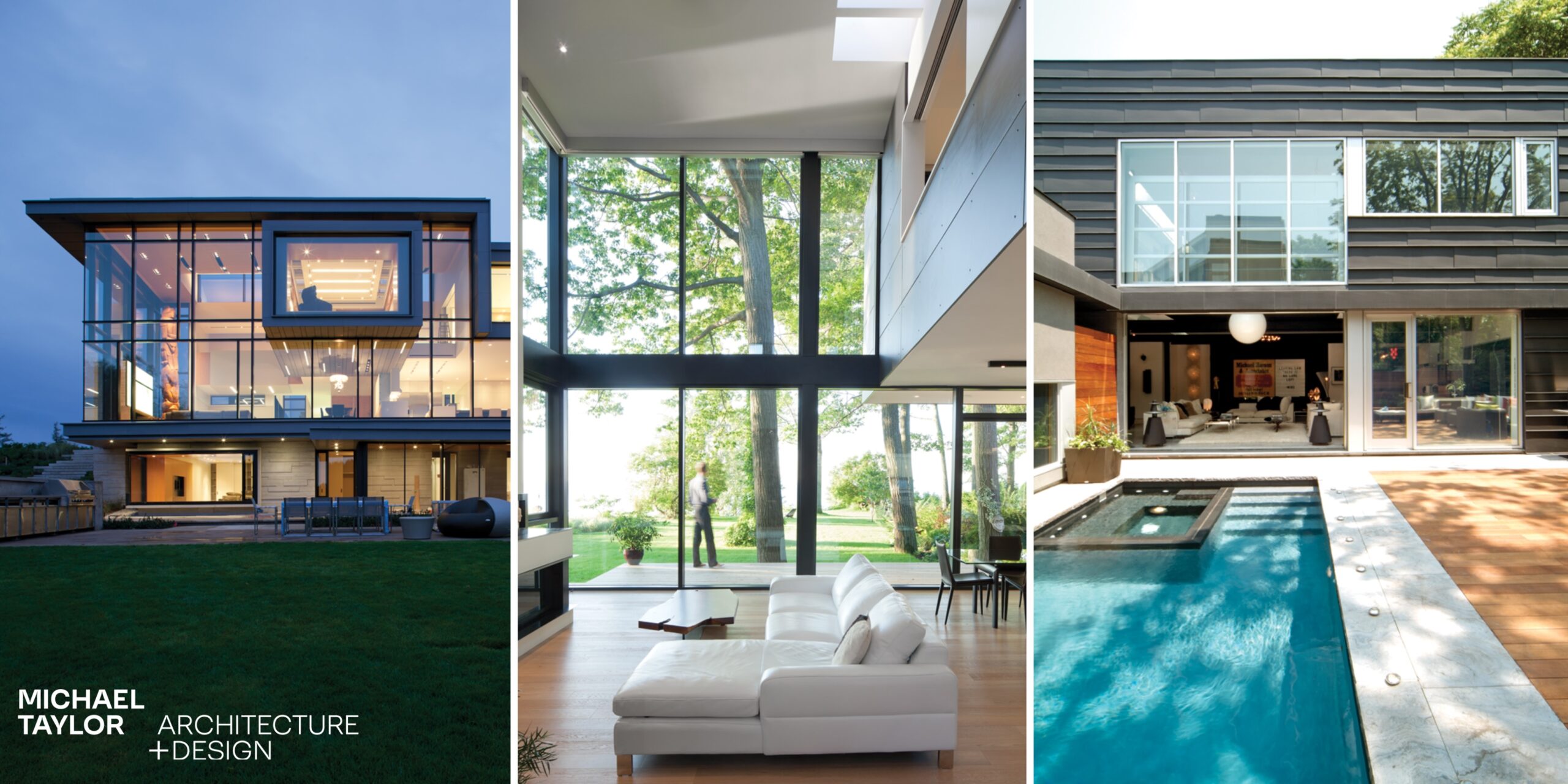
At the Forest Hill residence natural materials establish continuity between the exterior and interior experience. The House on a Ravine extends its architectural palette indoors through carefully selected finishes including walnut millwork polished plaster and textured surfaces that echo the character of the structure itself.
These projects are not important because they belong to one firm.
They matter because they demonstrate what becomes possible when every decision contributes to a unified vision.
Questions to Ask Before Starting Your Project
Whether you are building from the ground up or planning a major renovation ask yourself a few important questions.
Do you want indoor and outdoor spaces to feel connected
Are you hoping to avoid expensive changes during construction
Would you prefer one cohesive vision guiding major design decisions
Do you want your home tailored to your routines rather than adapted afterward
If the answer to these questions is yes an integrated approach may deserve serious consideration.
Even if you work with separate professionals, encouraging collaboration early in the process can lead to stronger results.
The Future of Home Design
Homeowners today are more informed and intentional than ever before.
They are not simply searching for beautiful kitchens or trendy finishes. They want homes that reflect their values, support their lifestyles and continue to function gracefully through changing seasons of life.
Integrated design offers a path toward that goal.
It recognizes that architecture shapes experience and interiors give that experience warmth, meaning and personality. One discipline strengthens the other.
The most memorable homes rarely succeed because of a single dramatic feature.
They succeed because every detail feels connected.
After three decades of growing interest one truth has become increasingly clear.
The best homes are not designed in pieces.
They are designed as a whole.
