


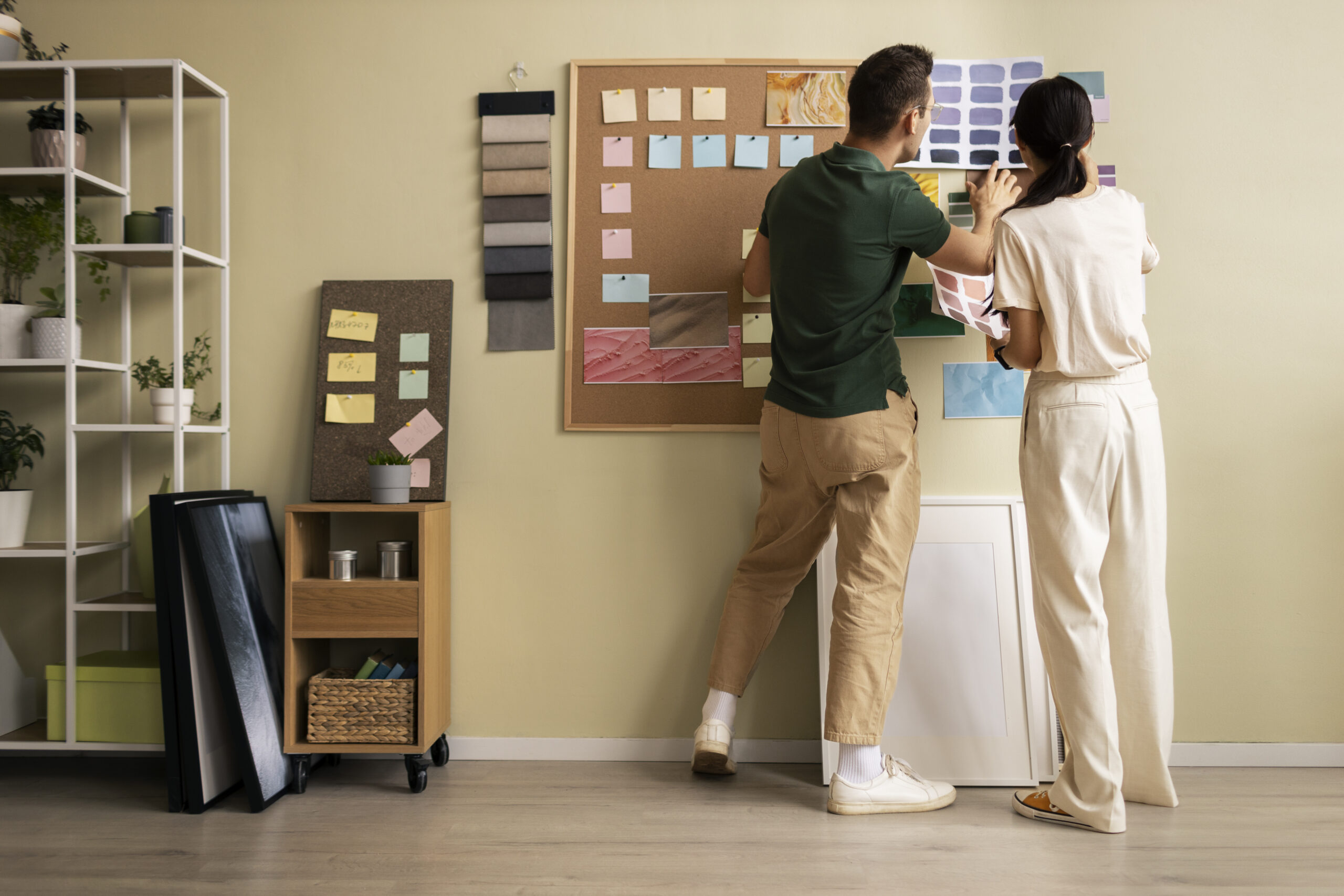
You walk into a beautifully designed home and immediately notice the details. Sunlight stretches across wide plank floors. The kitchen looks polished enough for a magazine cover. Every piece of furniture feels carefully selected. At first glance the entire space appears calm, elegant and effortless.
Then real life begins.
There is nowhere practical to put your keys. The dining chairs look stunning but feel uncomfortable halfway through dinner. The kitchen shelves collect clutter faster than expected. The bathroom resembles a luxury spa yet somehow lacks enough counter space for everyday routines.
Many modern homes are designed to impress visually but fail to support daily living. One of the most common home design mistakes homeowners make is prioritizing appearance over functionality. A home should not only look beautiful. It should also make life easier, more comfortable and less stressful.
The good news is most of these problems can be avoided with smarter design choices that balance style with practicality.
Open Shelving Without Enough Closed Storage
Open shelving remains one of the most popular kitchen trends because it creates a light and airy appearance. It allows homeowners to display dishes, glassware and decorative pieces while making the kitchen feel larger.
The problem begins when open shelving replaces too much closed storage.
Everyday items quickly become visual clutter. Cooking grease and dust settle on exposed surfaces. Mismatched containers packaging and appliances disrupt the clean aesthetic homeowners originally wanted. According to the National Kitchen and Bath Association functional kitchen storage remains one of the highest priorities for homeowners during renovations.
The better solution is balance.
Instead of eliminating upper cabinets entirely, homeowners should combine a few open shelves with plenty of concealed storage. Open shelving works best for decorative items or frequently used dishes while closed cabinets hide less attractive kitchen essentials. This approach keeps the kitchen visually open without sacrificing organization.
Spa Style Bathrooms With No Real Counter Space
Luxury bathrooms inspired by high end hotels continue to dominate modern home design. Floating vanities, frameless glass showers and minimalist sinks create a clean sophisticated atmosphere.
Unfortunately many homeowners discover these bathrooms are difficult to use every day.
One of the biggest home design mistakes in bathrooms is sacrificing functionality for appearance. Vessel sinks often reduce usable counter space. Minimalist vanities may not provide enough storage for toiletries, hair tools or cleaning products. Poorly placed lighting can also make grooming more difficult.
Homeowners should focus on practical luxury instead.
A bathroom can still feel elegant while including deeper drawers built in storage and adequate countertop space. Wall sconces placed beside mirrors provide more flattering and functional lighting than overhead fixtures alone. Even small additions like recessed medicine cabinets or towel hooks placed near the shower can significantly improve usability.
Pretty Lighting That Does Not Work for Daily Tasks

Lighting has a powerful effect on how a home looks and feels. Soft pendant lights, warm wall sconces and decorative chandeliers create atmosphere and visual interest.
However one of the most overlooked home design mistakes is relying only on ambient lighting.
Dim lighting may create a cozy mood at night but it often fails during everyday activities. Kitchens become harder to cook in. Home offices feel impractical. Bathrooms lack enough brightness for grooming tasks.
The American Lighting Association recommends layering lighting throughout the home to improve both function and comfort.
The best approach combines three types of lighting. Ambient lighting provides overall illumination. Task lighting supports specific activities like reading, cooking or working. Accent lighting highlights artwork architecture or decorative features.
By layering lighting homeowners can create spaces that feel warm, inviting and practical throughout the day.
Minimalist Rooms Without Hidden Storage
Minimalist interiors continue to appeal to homeowners because they feel calm, uncluttered and visually relaxing. Clean lines, neutral colors and open surfaces create a polished modern aesthetic.
The problem is that life still comes with belongings.
Without enough storage clutter quickly takes over countertops, chairs and floors. Shoes pile near entrances. Mail gathers on kitchen islands. Blanket electronics and chargers suddenly become visible in every room.
One of the most common home design mistakes is designing minimalist spaces without planning where everyday items will actually go.
The solution is hidden storage.
Built in cabinetry storage benches, ottomans with concealed compartments and multifunctional furniture allow homeowners to maintain a clean aesthetic without sacrificing practicality. Good minimalist design should simplify life rather than create constant pressure to keep everything perfectly styled.
Oversized Furniture That Blocks the Room
Large sectionals, oversized coffee tables and dramatic accent chairs often look impressive in furniture showrooms. In spacious display settings these pieces create a luxurious atmosphere.
In real homes they frequently overwhelm the room.
Furniture that is too large can block walkways, disrupt conversation areas and make spaces feel cramped instead of comfortable. This is especially common in open concept homes where oversized furniture interrupts natural movement between spaces.
One of the smartest ways to avoid this home design mistake is to measure carefully before purchasing furniture. Homeowners should leave enough walking space around major pieces and consider how people will move through the room every day.
Furniture should support comfort and functionality rather than dominate the space visually. A slightly smaller sofa paired with flexible seating often creates a room that feels more inviting and easier to use.
Open Concept Spaces With No Quiet Zones
Open concept layouts became popular because they make homes feel brighter, larger and more connected. Families can cook, dine and socialize together more easily in one shared area.
Yet many homeowners now realize fully open layouts come with drawbacks.
Noise travels constantly. Television sounds blend with kitchen activity. Remote work becomes difficult when there are no private areas for focus. One of the growing home design mistakes in newer homes is eliminating too many barriers without creating spaces for quiet and separation.
Homeowners do not necessarily need to rebuild walls to fix this issue.
Area rugs, bookshelves sliding doors and partial room dividers can help define spaces while maintaining openness. Small reading nooks home offices or flex rooms also provide important retreats from busy shared areas.
A well designed home should support both connection and privacy.
High Maintenance Materials in High Traffic Areas
Many luxury materials look stunning when first installed. Marble countertops, matte black fixtures and natural wood flooring add texture, warmth and sophistication to a home.
But some materials require more maintenance than homeowners expect.
Marble can stain or etch easily in busy kitchens. Dark fixtures often show fingerprints, water spots and scratches. Delicate flooring materials may wear quickly in homes with children, pets or heavy foot traffic.
One of the most preventable home design mistakes is choosing materials based only on appearance without considering long term durability.
Homeowners should think carefully about how each space will actually be used. Quartz countertops engineered hardwood flooring and performance fabrics often provide a similar upscale appearance with less maintenance. Durable materials help homes stay attractive over time without requiring constant upkeep.
A Beautiful Home Should Also Work Beautifully
The most successful homes balance style, comfort and practicality. They look polished without feeling fragile. They support everyday routines instead of complicating them.
Avoiding common home design mistakes does not mean sacrificing beauty. It means designing spaces that continue to feel functional long after trends change and professional photos are taken.
A truly well designed home is not just visually impressive. It quietly improves daily life through thoughtful details, smart layouts and practical choices that homeowners appreciate every single day.
Here are some other articles related to your search:
- How to Use Colors in Your Home Design
- Top Kitchen Design Trends Stay Cool While Lighting Up Your Home
- Luxury Hotel Stay Comfort Upgrades for a Cozy Winter Home
