
Some home features design choices feel brilliant on installation day. They’re sleek, sculptural, dramatic, and satisfy the desire to create a home that reflects intention and taste. But months later after the routines of cooking, cleaning, hosting, working, and simply existing certain features reveal themselves as beautiful liabilities. They cause friction. They age poorly. They demand maintenance out of proportion to the benefit they offer.Design regret rarely comes from the things homeowners don’t add. It comes from features that look compelling on mood boards but conflict with human behavior, ergonomics, and everyday reality. These are the features most often cited by builders, designers, and post-occupancy research as long-term disappointments.
1. Open Shelving That Works Only on Photo Day
Open shelving delivers a clean, editorial look and helps small kitchens feel expansive. The problem is that life, unlike photography, is not static. Steam, dust, grease, and gravity make every item a high-maintenance object. Unless shelves are populated with matching ceramics and daily-use pieces, open storage quickly broadcasts visual noise.Designers frequently report that homeowners underestimate the maintenance burden and even more often, that they regret eliminating upper cabinets altogether. In almost every kitchen review study, insufficient closed storage ranks as one of the top post-remodel frustrations.
2. Minimalism That Eliminates Everything Except the Clutter
Minimalism is easy to draw and hard to live. The aesthetic often removes cabinetry, linen closets, utility spaces, and drop zones in favor of pristine surfaces. But minimalism without storage simply moves the clutter into view: chargers, backpacks, makeup, mail, pet gear, sports gear, laundry.In a recent YHDC article on functional planning,Creative Ideas for Your Storage Unit,The author notes that “home features fail when they demand organization without giving people anywhere to organize things.” Minimalism without infrastructure is not a design style it’s a choreography of frustration.
3. Bathroom Features Built for Showrooms, Not Mornings
Bathrooms carry the highest regret rate of any room in the house because they must perform dozens of tasks quickly and comfortably. A few repeat offenders:
- Vessel sinks that splash and consume counter space
- Wall-mounted faucets that complicate repairs and require perfect installation
- Gigantic rain showers that turn cold in seconds
- Wet rooms that soak floors and leave towels too far away
- Hotel-style accent lighting that sabotages grooming
These home features look serene. They don’t behave serenely at 6:45 a.m. under time pressure.
4. Furniture That’s Sized for Showrooms, Not Houses
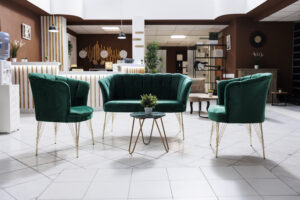 Oversized sectionals, deep sofas, 12-foot kitchen islands, and massive dining tables read as luxury in model homes. In actual homes, they often compress circulation, block door swings, and reduce flexibility. Designers call this “scale regret” when a beautiful piece makes every simple task harder: setting the table, walking through a room, vacuuming, opening cabinetry, or entertaining.Good furniture doesn’t dominate the space. It participates in it.
5. Open-Concept Layouts With No Escape
Open-concept plans have undeniable charm: sunlight, sightlines, sociability. They also erase acoustic and functional boundaries. The moment one person cooks, meetings, homework, television, and conversation all converge into the same sound field.Architects increasingly observe that post-pandemic regret centers on too few doors, not too many. Partial openness, glass partitions, pocket doors, strategically defined zones are replacing the “one giant room” trend. Flexibility is the new luxury.
6. Hard Surfaces That Turn Homes Into Echo Chambers
Concrete floors, stone feature walls, metal balustrades, and sheet-glass windows are visually striking. They also amplify noise. Without rugs, drapery, upholstery, or acoustic buffers, homes become echoic especially for families, multigenerational households, and pet owners.Acousticians note that reverberation, not volume, is what fatigues the brain. A home that is constantly “sonic bright” is harder to concentrate, relax, or sleep in. The materials may be beautiful, but the experience often is not.
7. Smart Home Systems That Make Simple Things Hard
A home where lights, blinds, heating, locks, and appliances all route through apps or hubs sounds futuristic. But when Wi-Fi drops, apps update, sensors fail, or software becomes obsolete, basic actions become impossible.Homeowners consistently regret systems that replace intuitive physical controls with digital-only interfaces. As one builder put it: “If your teenager can’t turn on a light without a phone, your system is too smart.”
8. Trend Surfaces That Age Faster Than Expected
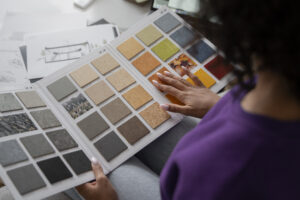 Some finishes are beloved by design media precisely because they patina, oxidize, or react: unlacquered brass, marble, polished concrete, raw wood, matte cabinetry, and black fixtures. But many homeowners regret the upkeep. Marble stains under citrus and wine. Brass shows fingerprints. Concrete cracks. Matte cabinetry absorbs oils.These aren’t flaws, they’re behaviors. But homeowners often choose them for the wrong reasons: aesthetics, not lifestyle alignment. The materials age honestly, expectations do not.
9. “Wet Zones” That Create Daily Chore Work
European-style wet rooms, curbless showers, and open bathing concepts photograph beautifully. But they require immaculate grading and drying practices. Towels need strategic placement. Water extends beyond intended zones. Floors stay damp. Rugs mildew.A wet room should not turn the entire bathroom into a moppable surface. When beauty demands daily vigilance, regret follows.
10. Too Few Service Spaces
The most consistent regret in every housing survey is the lack of support spaces: pantries, mudrooms, linen closets, laundry zones, and utility storage. These aren’t glamorous, but they are the backbone of usability.People don’t regret not adding a wine wall. They regret not adding a place to hide the vacuum.
The Quiet Lesson Behind Regret
Regret doesn’t come from bold home features design or aesthetics. It comes from friction, small, repeated inconveniences that accumulate until the home feels like work.The most successful homes are not the most dramatic. They are the ones where the homeowner doesn’t think about the home at all, because everything just works.Design is visual. Living is behavioral. When the two align, regret disappears.
Here are some other articles related to your search:
- Lighting Mistakes That Make Homes Feel Cold in Winter
- Smart Winter Home Upgrades That Save Energy Without Sacrificing Style
- How to Build a Simple Garden for Your Home: All the Steps to Take