


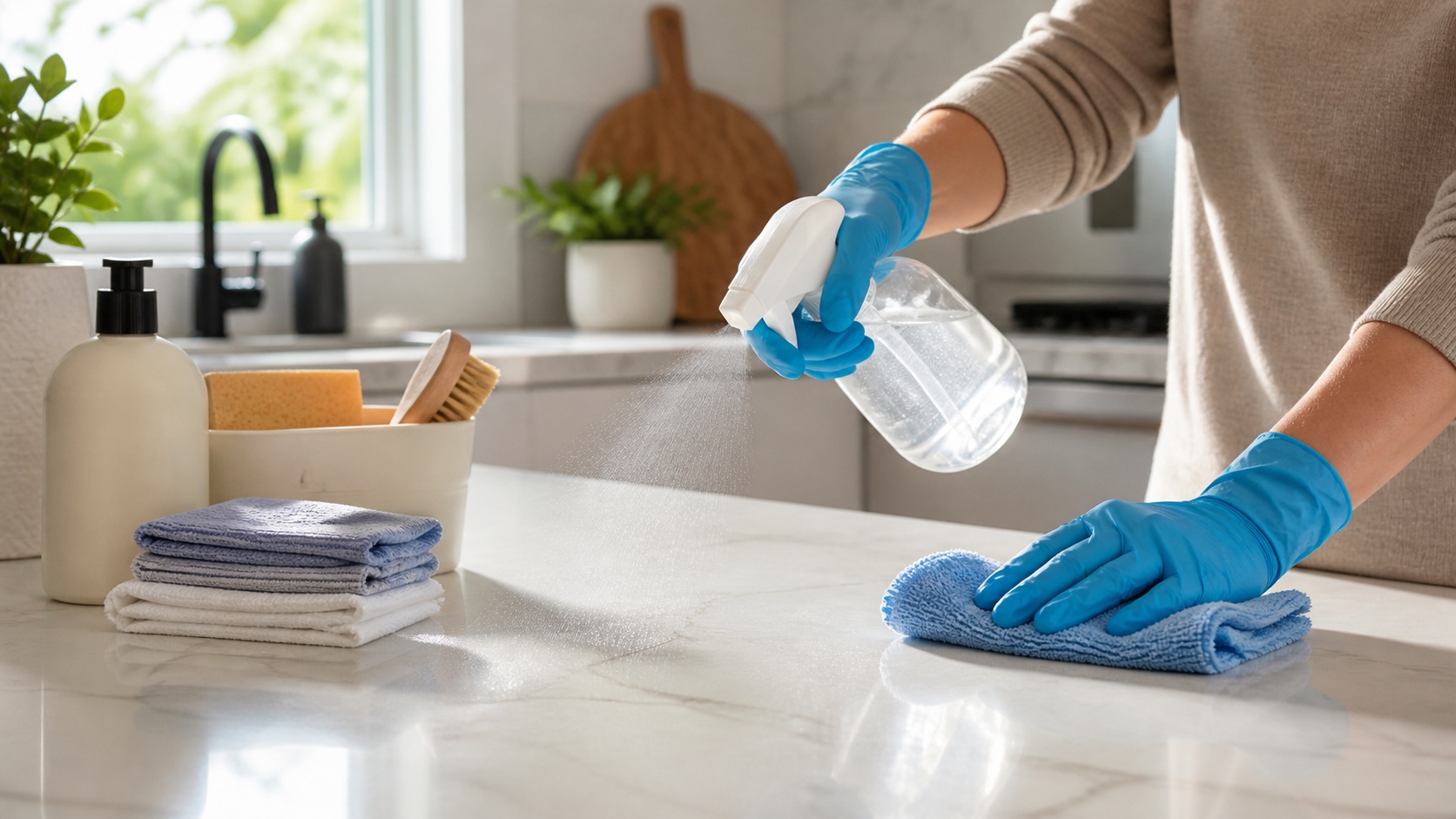
A clean home does not require owning every spray bottle, scrubber, and mystery solution in the cleaning aisle. It requires the right basics, a little common sense, and products that actually make cleaning easier instead of turning the cabinet under the sink into a chemical jungle.
Whether you have just moved into a new house, are restocking your cleaning supplies, or are finally replacing the sponge that has been working harder than anyone should ask of a sponge, a well-planned cleaning kit makes everyday home care more manageable.
The goal is not to overbuy. The goal is to keep the products and tools that help you clean floors, counters, bathrooms, windows, fabrics, and high-touch areas without wasting time or money. According to the CDC, cleaning with soap and water can remove most germs from surfaces in everyday situations, while disinfecting is most useful when someone is sick or when high-touch areas need extra attention.
Here are 15 essential cleaning products every home should have, organized in a way that actually makes sense for real life.
1. All-Purpose Cleaner
An all-purpose cleaner is the workhorse of the cleaning cabinet. It can handle counters, tabletops, cabinet fronts, sealed shelves, appliance exteriors, and general household grime. Instead of buying a separate spray for every tiny category of mess, a good all-purpose cleaner keeps things simple.
Look for one that works on the surfaces you clean most often. If you have stone countertops, stainless steel, wood finishes, or delicate tile, always check the label first. Not every cleaner belongs on every surface, no matter how confident the bottle sounds.
2. Disinfecting Spray or Wipes
Disinfecting spray or wipes are useful for high-touch areas such as doorknobs, light switches, faucet handles, appliance pulls, toilet handles, and remote controls. These are the places everyone touches and nobody wants to think about too deeply.
Disinfectants need to be used correctly to work. Many products require the surface to stay wet for a specific amount of time before being wiped or allowed to dry. A fast spray-and-wipe may smell like cleaning, but it may not properly disinfect. Always follow the product directions and use stronger products in a well-ventilated area.
3. Microfiber Cloths
Microfiber cloths are one of the most useful cleaning tools in the home. They pick up dust, polish surfaces, clean glass, wipe counters, and reduce the need for disposable paper towels.
Keep a few different sets so you are not using the same cloth for the kitchen counter, the bathroom sink, and the coffee table. A simple system works well: one color or pile for kitchens, one for bathrooms, and one for dusting or glass.
Wash microfiber cloths regularly and avoid fabric softener, which can make them less effective. A cleaning cloth should be clean before it starts cleaning anything else. This seems obvious, but household reality often disagrees.
4. Sponges and Scrub Brushes
Sponges are useful for dishes, sinks, counters, and small kitchen messes. Scrub brushes are better for tougher jobs such as grout, tubs, tile, pans, and textured surfaces.
Use different sponges for different tasks and replace them often. A sponge that smells questionable is not being “broken in.” It is done. Retire it immediately and let it go with dignity.
5. Glass and Window Cleaner
Glass cleaner helps remove fingerprints, smudges, water spots, and streaks from windows, mirrors, glass doors, and some shiny surfaces. For best results, use a microfiber glass cloth or a lint-free towel.
If your mirrors always look streaky after cleaning, the problem may be too much product. A light spray usually works better than soaking the surface. Clean from top to bottom, then buff dry for a clearer finish.
6. Squeegee
A squeegee is one of the simplest tools for keeping showers, glass doors, mirrors, and tile walls cleaner between deep cleans. It helps remove water before it dries into spots, streaks, or soap scum.
Keep one in the shower and use it after bathing. This takes less than a minute and can reduce the buildup that makes bathrooms harder to clean later. It is not glamorous, but neither is scrubbing soap scum on a Saturday morning.
7. Mop and Bucket
If your home has tile, vinyl, laminate, or sealed hardwood floors, a mop belongs in your cleaning kit. A mop and bucket are especially useful for spills, muddy footprints, kitchen messes, and those sticky floor patches that no one in the house can explain.
For many homes, a microfiber flat mop is easier to use than a traditional string mop. It is lighter, dries faster, and works well for regular floor maintenance. A traditional mop and bucket can still be useful for heavier cleaning, garages, patios, or utility areas.
8. Vacuum Cleaner
A vacuum cleaner is essential, even if your home does not have much carpet. Vacuums remove dust, crumbs, pet hair, dirt, and debris from rugs, floors, upholstery, stairs, and tight corners.
Homes with pets, children, or high foot traffic may need vacuuming several times a week. If you have allergies, look for a vacuum with strong filtration. If you have both hard floors and rugs, choose a model that transitions easily between surfaces.
A cordless stick vacuum can be excellent for quick cleanups, while a full-size upright or canister vacuum may be better for deep carpet cleaning. The best vacuum is the one that fits your home and is easy enough to use often.
9. Toilet Brush and Toilet Bowl Cleaner
A toilet brush is not glamorous, but it is necessary. Keep one in each bathroom if possible, along with a toilet bowl cleaner designed for regular use.
Clean toilet bowls weekly, or more often in busy bathrooms. Let the cleaner sit for the recommended time before scrubbing. Replace toilet brushes when they become worn, bent, or impossible to look at without judgment.
10. Rubber Gloves
Cleaning gloves protect your hands from hot water, grime, and cleaning products that may irritate skin. They are especially important when cleaning bathrooms, handling disinfectants, scrubbing toilets, or using stronger products.
Keep separate gloves for the kitchen and bathroom. This is one of those small habits that costs very little and prevents a lot of unpleasant crossover.
11. Charlie’s Soap Natural Powder Laundry Detergent
Laundry detergent belongs in every practical home cleaning kit, especially if you use washable cleaning cloths, mop pads, towels, bedding, and everyday household linens. Charlie’s Soap Natural Powder Laundry Detergent is a smart addition because it helps keep the fabrics you clean with fresh and ready for the next round.
This is especially useful for microfiber cloths, cleaning rags, kitchen towels, bathroom towels, and reusable mop pads. After all, a cleaning cloth is only helpful if it is actually clean. Tossing reusable cloths into the laundry regularly helps prevent musty smells, residue buildup, and the unfortunate moment when your “cleaning cloth” makes the counter smell worse than before.
12. Baking Soda
Baking soda is a useful, inexpensive cleaning helper. It can deodorize, gently scrub, and help lift grime from sinks, tubs, pans, and some surfaces.
Use it as a mild abrasive where appropriate, but avoid assuming it belongs everywhere. Always test delicate surfaces first. Baking soda can be useful, but it is not a magic powder from a cleaning fairy.
13. White Vinegar
White vinegar can help clean mineral deposits, soap scum, glass, and some kitchen and bathroom surfaces. It is especially useful for hard water spots and buildup around faucets or showerheads.
However, vinegar is not appropriate for every surface. Avoid using it on natural stone such as marble, granite, limestone, or travertine because the acidity can damage the finish. Also, never mix vinegar with bleach. That combination can create dangerous fumes.
14. Lemon
Lemon can be helpful for freshening, light deodorizing, and tackling some stains or buildup. It can also help brighten cutting boards, reduce mild odors, and add a fresh scent to certain cleaning tasks.
Like vinegar, lemon is acidic, so it should be used carefully. It is not a replacement for proper disinfecting, and it should not be used on delicate stone surfaces. Think of lemon as a helpful kitchen cleaning extra, not the entire cleaning plan.
15. Rabbit Air Purifier for Fresher Indoor Air
An air purifier is not a traditional cleaning product, but it can be a smart part of a cleaner home, especially if you are dealing with dust, pet dander, pollen, smoke, odors, or everyday indoor air concerns. The Rabbit Air line is especially useful for homeowners who want an air purifier that looks more refined than the bulky machines people used to hide in the corner.
The Rabbit Air A3 Ultra Quiet Air Purifier is designed with six-stage filtration, a five-year warranty, and coverage for larger rooms up to 1,070 square feet, according to the brand. Rabbit Air also offers filter options that target concerns such as pet allergens, odors, toxins, and general household air quality.
An air purifier will not replace regular dusting, vacuuming, or surface cleaning, but it can support a fresher indoor environment. The EPA notes that portable air cleaners and HVAC filters can help improve indoor air quality when used appropriately. Think of Rabbit Air as the quiet helper in the room — not dramatic, not needy, just steadily working while the rest of the house tries to create dust again.
Cleaning Products to Use Carefully
Some products are useful but should be handled with care. Bleach, ammonia, drain cleaners, oven cleaners, and strong disinfectants should always be used according to label directions. Make sure the space is ventilated, wear gloves when needed, and never mix cleaning chemicals.
The CDC recommends cleaning visibly dirty surfaces with soap or detergent before disinfecting with bleach and making sure there is good ventilation when using bleach products indoors. Bleach should never be mixed with vinegar, ammonia, rubbing alcohol, or other cleaners. More product does not mean more cleaning power. Sometimes it means fumes, damaged surfaces, or a very bad afternoon.
What You Do Not Need in Your Cleaning Cabinet
You do not need a separate cleaner for every room, every surface, and every tiny household event. Too many products can create clutter, waste money, and increase the chance of using the wrong cleaner on the wrong surface.
For most homes, a strong cleaning kit includes an all-purpose cleaner, disinfectant, glass cleaner, microfiber cloths, gloves, mop, vacuum, toilet brush, scrub brush, laundry detergent, and a few safe natural helpers such as baking soda, vinegar, and lemon. That is enough to handle most household messes without overcomplicating the job.
Final Thoughts on Essential Cleaning Products
A good cleaning kit should make your home easier to maintain, not turn cleaning into a confusing science experiment. Start with the basics, choose products that fit your surfaces, and keep safety in mind when using stronger cleaners.
The best cleaning products are the ones that help you clean efficiently, protect your home’s finishes, and make everyday upkeep feel manageable. With the right supplies, you can keep your home fresh, comfortable, and ready for real life — including the crumbs, muddy shoes, pet hair, laundry piles, and mystery smudges that come with it.