


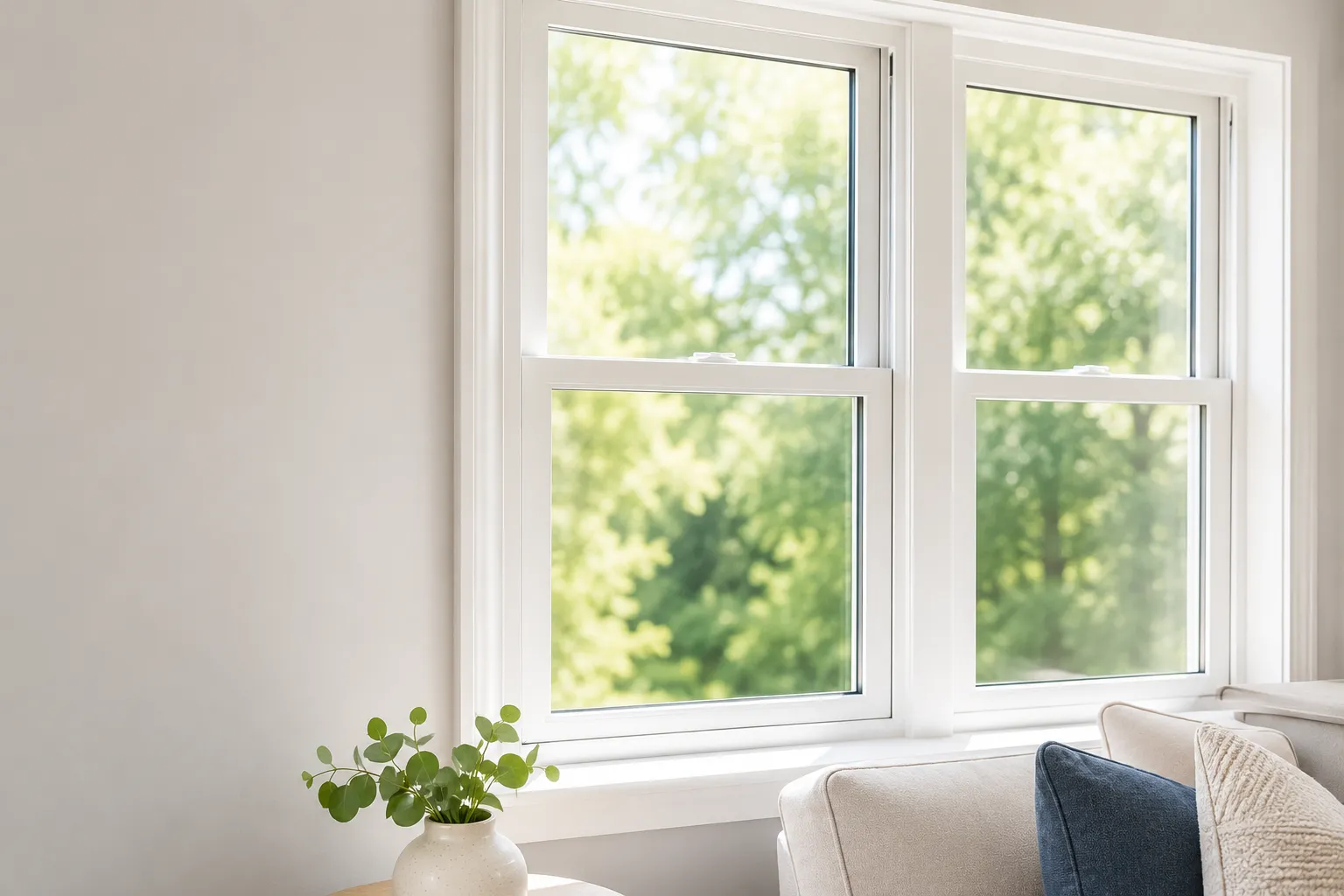
Windows have a bigger job than simply giving you a view. They affect how comfortable a room feels, how much heat enters or escapes the house, how much maintenance lands on your weekend to-do list, and even how the exterior of your home looks from the street.
For homeowners replacing older windows, vinyl remains one of the most practical choices available. It is generally affordable, requires relatively little maintenance, and is available in enough styles to work with everything from a traditional home to a modern remodel. But vinyl itself does not automatically make a window energy efficient or high quality. The glass, construction, installation, climate rating, and overall window design matter just as much.
Vinyl Windows Require Very Little Maintenance
One of the biggest advantages of vinyl windows is what you generally do not have to do after they are installed. Unlike traditional wood frames, vinyl does not need to be regularly painted or stained to protect the finish. Routine care usually involves washing the frames and glass and keeping tracks and moving components clean.
That makes vinyl particularly appealing for homeowners who like the appearance of freshly maintained windows but have no desire to turn window upkeep into a recurring home-improvement project. This can also be useful on second stories and other areas where regular exterior maintenance is inconvenient.
Energy Performance Can Be Very Good
Modern vinyl frames can be part of a highly energy-efficient window, particularly when combined with insulated glass, low-emissivity coatings, quality spacers, and proper installation. According to the ENERGY STAR residential windows program, certified windows are evaluated using performance requirements that vary according to climate.
When comparing windows, do not shop by frame material alone. Pay attention to ratings such as U-factor, which indicates how well the complete window resists heat transfer, and Solar Heat Gain Coefficient, or SHGC, which indicates how much solar heat passes through the window. In a sunny, warm climate, controlling solar heat gain can be especially important for rooms with substantial afternoon sun.
Vinyl Is Often One of the More Affordable Window Materials
Replacing every window in a house can turn into a major investment remarkably quickly. Vinyl is popular partly because it usually offers a more accessible price point than premium wood and fiberglass window systems while still providing good performance when you choose a well-made product.
That does not mean the least expensive vinyl window is automatically a good value. Frame construction, hardware, glass packages, warranties, installation, and energy performance can vary considerably. When budgeting for several home improvements at once, it helps to prioritize projects according to what they actually solve. Our guide to home renovation ideas that can refresh your house looks at windows alongside other improvements that may increase comfort and functionality.
Today’s Vinyl Windows Offer More Style Choices
Early vinyl windows did not exactly have a reputation for being the glamorous part of the house. Today’s options are much broader. Homeowners can choose from double-hung, single-hung, casement, sliding, picture, awning, bay, bow, and other configurations depending on the manufacturer and opening.
Color choices have expanded as well, although they vary significantly by brand. White remains common, but darker exterior finishes can work particularly well on contemporary homes. Grille patterns, hardware, frame profiles, and glass selections also allow replacement windows to complement the architecture rather than look like an obvious afterthought.
They Can Improve the Appearance of an Older Home
Old windows tend to reveal their age from both sides of the glass. Faded frames, damaged screens, cloudy insulated glass, peeling paint, and dated grille patterns can make an otherwise well-maintained house look tired. Replacing them can create a cleaner exterior and improve the view from inside at the same time.
The trick is choosing a window style that belongs on the house. A sleek black-framed window may look excellent on a contemporary renovation and completely wrong on another architectural style. Consider sightlines, frame thickness, grille patterns, exterior colors, and the proportions of the original openings instead of treating every window as an isolated purchase.
Vinyl Handles Everyday Moisture Well
Because vinyl does not absorb water in the way unfinished wood can, it can be a practical material around ordinary household moisture and changing weather conditions. Homeowners do not have to worry about painting exposed vinyl surfaces simply to protect the frame from routine rain and humidity.
That does not make the entire window waterproof or eliminate the importance of installation. Water management around the window opening, flashing, sealants, drainage, and integration with the exterior wall are critical. A high-quality window installed poorly can still leak, which is why installation deserves as much attention as the brand name on the glass.
Good Vinyl Windows Can Last for Years
A quality vinyl window can provide many years of service, but sweeping claims that vinyl lasts forever should be treated with suspicion. Sun exposure, temperature, frame quality, hardware, installation, usage, and maintenance all influence how a window ages.
In hotter and sunnier regions, look for products engineered for the local climate rather than assuming every vinyl frame performs identically. Window specifications that make sense in one part of the country may not be ideal somewhere else, particularly when solar heat gain and cooling demands are major concerns.
Energy Efficiency Is About More Than the Frame
This is worth repeating because window advertising can make the material sound like the entire story. A vinyl frame does not automatically make a window energy efficient. Two vinyl windows can perform very differently depending on the number of glass panes, low-E coatings, gas fills, frame design, spacers, air leakage, and installation.
The U.S. Department of Energy explains that low-emissivity glass can help control heat transfer, and in warm climates, windows with lower solar heat gain can help reduce unwanted heat entering the house. Its guidance on energy-efficient residential windows is a useful resource when comparing specifications rather than relying solely on sales terminology.
There Are Some Drawbacks to Consider
Vinyl is not necessarily the right choice for every project. Homeowners restoring a historic property may prefer wood because it can better reproduce traditional profiles and architectural details. Premium fiberglass may appeal to buyers looking for different structural characteristics or slimmer frame profiles. Some homeowners simply prefer the appearance and feel of wood.
Color can also require more thought with vinyl because repainting it later is not always as straightforward as repainting wood. If you choose a dramatic exterior color, make sure it is one you are likely to appreciate for a long time and check the manufacturer’s instructions before ever applying paint or another finish to the frame.
What to Look for Before Buying Vinyl Windows
Start with performance rather than the showroom display. Compare the complete window’s U-factor, SHGC, air-leakage information, glazing package, warranty, hardware, frame construction, and ENERGY STAR qualification where appropriate. Check whether the specifications make sense for your climate and the direction each window faces.
Installation matters just as much. Ask who will perform the work, what is included in removal and disposal, how the opening will be flashed and sealed, whether damaged surrounding materials are included in the estimate, and what workmanship warranty is provided. If window replacement is part of a larger project, our guide on how to prepare your home for renovation can help you plan before contractors arrive.
Are Vinyl Windows Worth It?
For many homeowners, yes. Vinyl windows combine relatively low maintenance, a broad range of styles, potentially strong energy performance, and pricing that can make a whole-house replacement project more manageable. Those practical advantages explain why vinyl continues to be widely considered when older windows reach the end of their useful life.
The important distinction is that you are buying a complete window system, not simply a piece of vinyl. Choose the right performance ratings for your climate, compare construction and warranties, and pay close attention to installation. The right vinyl windows can make a home more comfortable and attractive without demanding much attention afterward—which, for a building product, is a fairly good personality trait.

Way cool, some valid points! I appreciate you making this article available, the rest of the site is also high quality. Have a fun.